
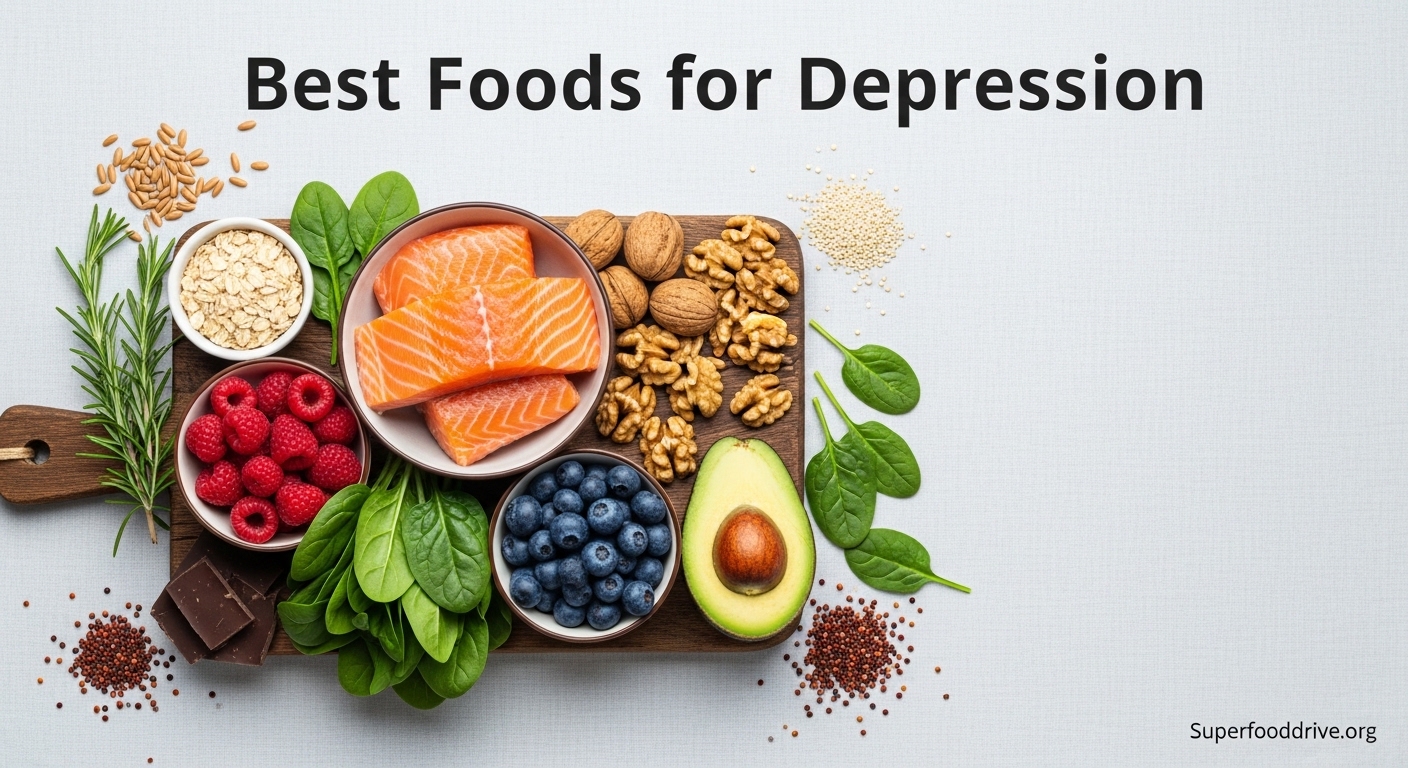
What if the food on your plate could help lift your mood? That is not wishful thinking. Research shows a clear connection between what we eat and how we feel mentally. The right foods for depression and mood support can complement therapy and medication, giving your brain the nutrients it needs to function well.
Our team has reviewed dozens of studies and worked with nutrition data spanning 2026 research to bring you actionable information. This guide covers 13 foods backed by science for mood support. You will also learn which foods to limit and the key nutrients driving these benefits.
Let us be clear: food is not a replacement for professional mental health treatment. But it can be a powerful ally in your overall wellness strategy. Small changes to your diet may help reduce inflammation, support neurotransmitter production, and stabilize your energy throughout the day.
Table of Contents
How Foods Affect Depression: The Science Behind the Connection
Your brain is an energy-hungry organ. It uses about 20% of your daily calories despite making up only 2% of your body weight. To produce mood-regulating chemicals like serotonin and dopamine, your brain needs specific building blocks from food.
Serotonin, often called the feel-good neurotransmitter, is mostly produced in your gut. About 90% of your body’s serotonin is made in the gastrointestinal tract. This is why the gut-brain axis matters so much for mental health. The foods you eat directly influence gut bacteria, which in turn affect neurotransmitter production.
Inflammation plays another key role. Chronic low-grade inflammation has been linked to depression in multiple studies. Certain foods increase inflammatory markers in the body, while others actively reduce inflammation. Omega-3 fatty acids, antioxidants, and polyphenols all help calm this inflammatory response.
Blood sugar fluctuations also affect mood. When you eat refined carbohydrates, your blood sugar spikes and crashes. These swings can trigger irritability, fatigue, and anxiety. Stable blood sugar from whole foods helps maintain steady energy and a more even mood throughout the day.
Nutrient deficiencies can mimic or worsen depression symptoms. Low levels of vitamin D, B vitamins, magnesium, and selenium have all been associated with increased depression risk. The good news is that these nutrients are readily available in whole foods.
13 Best Foods for Depression and Mood Support
These 13 foods offer specific nutrients that support brain health, reduce inflammation, and help regulate mood. Include a variety of them in your weekly meals for the best results.
1. Fatty Fish (Salmon, Mackerel, Sardines)
Fatty fish top the list for mood-supporting foods. Salmon, mackerel, and sardines are packed with omega-3 fatty acids, particularly EPA and DHA. These fats are essential for brain structure and function.
Research published in the Journal of Clinical Psychiatry found that EPA-rich fish oil supplements improved depression symptoms in patients who did not respond to standard antidepressants. The anti-inflammatory effects of omega-3s appear to be the key mechanism.
Aim for two to three servings of fatty fish per week. Wild-caught salmon offers about 1,500 mg of omega-3s per 3-ounce serving. Sardines are budget-friendly and provide calcium along with healthy fats. If you do not eat fish, algae-based omega-3 supplements can provide similar benefits.
2. Leafy Green Vegetables
Spinach, kale, Swiss chard, and other leafy greens deliver folate, magnesium, and antioxidants. Folate is crucial for neurotransmitter production. Low folate levels have been linked to depression and poor response to antidepressants.
Magnesium in leafy greens helps regulate the stress response. This mineral acts as a natural calming agent by supporting GABA production, a neurotransmitter that promotes relaxation. Many people are magnesium deficient without knowing it.
Try adding a handful of spinach to smoothies or eggs. Massaged kale salads with lemon and olive oil make an excellent side dish. Even frozen greens retain most nutrients and cook quickly for low-energy days.
3. Berries
Blueberries, strawberries, raspberries, and blackberries are antioxidant powerhouses. Their high flavonoid content helps combat oxidative stress in the brain, which has been linked to depression.
Blueberries deserve special mention. They contain anthocyanins that cross the blood-brain barrier and accumulate in brain regions responsible for memory and mood. Studies suggest regular blueberry consumption may improve cognitive function and reduce depressive symptoms.
Berries are also low on the glycemic index, meaning they will not spike your blood sugar. Enjoy them fresh when in season, or keep frozen berries on hand for smoothies and oatmeal toppings. A cup of mixed berries provides a significant antioxidant boost.
4. Walnuts
Walnuts are unique among nuts for their omega-3 content. They contain ALA, a plant-based omega-3 that your body can partially convert to EPA and DHA. While not as efficient as fish sources, walnuts still support brain health.
Research from the University of California found that adults who ate walnuts showed significant improvements in depression scores compared to those who did not. Walnuts also contain melatonin, which may support healthy sleep patterns.
A daily serving of about 1 ounce (14 walnut halves) provides a good dose of omega-3s, protein, and healthy fats. Add them to oatmeal, salads, or simply snack on them. Store walnuts in the refrigerator to prevent rancidity.
5. Turkey and Poultry
Turkey is famous for tryptophan, an amino acid your body uses to make serotonin. Tryptophan needs carbohydrates to cross the blood-brain barrier effectively, which is why a turkey sandwich or turkey with sweet potato works well.
Chicken and other poultry also provide tryptophan along with B vitamins, particularly B6 and B12. These vitamins are cofactors in neurotransmitter production. B12 deficiency is especially common and can cause depression-like symptoms.
A 4-ounce serving of turkey provides about 350 mg of tryptophan. For context, that is roughly the amount needed to produce adequate serotonin when combined with carbohydrates. Choose pasture-raised poultry when possible for better fatty acid profiles.
6. Whole Grains
Oats, quinoa, brown rice, and whole grain bread provide B vitamins and steady energy. Unlike refined grains, whole grains release glucose slowly, preventing the blood sugar crashes that worsen mood instability.
Oats contain fiber that feeds beneficial gut bacteria. They are also a good source of selenium and zinc, both important for mood regulation. The warm, comforting nature of oatmeal may also have psychological benefits on difficult mornings.
Quinoa is particularly valuable as it provides complete protein along with magnesium and folate. Try replacing white rice with brown rice or quinoa in your meals. Steel-cut oats make an excellent breakfast base topped with berries and walnuts.
7. Fermented Foods
Yogurt, kefir, sauerkraut, kimchi, and kombucha introduce beneficial bacteria to your gut. The gut-brain axis research shows that a healthy microbiome supports better mood and reduced anxiety.
A landmark study at McMaster University found that probiotics reduced depression scores in participants. The mechanisms likely involve reduced inflammation, improved gut barrier function, and better neurotransmitter production.
Start with small portions if you are new to fermented foods. A half-cup of plain yogurt with live cultures makes an easy addition to breakfast. Sauerkraut and kimchi add flavor and probiotics to any meal. Look for products labeled with live and active cultures.
8. Dark Chocolate
Dark chocolate with 70% cocoa or higher contains flavonoids, magnesium, and small amounts of caffeine and theobromine. These compounds can improve blood flow to the brain and provide mild mood elevation.
Research shows dark chocolate may reduce cortisol levels, the stress hormone linked to depression. The magnesium content also supports relaxation. Choose chocolate with minimal added sugar to avoid blood sugar spikes.
One ounce of dark chocolate (about a small square) provides benefits without excess calories. Savor it slowly as an afternoon treat. The ritual of enjoying chocolate mindfully can also provide psychological comfort.
9. Avocados
Avocados provide monounsaturated fats that support healthy blood flow to the brain. They also contain B vitamins, vitamin E, and potassium. The combination of healthy fats and nutrients makes avocados excellent brain food.
Vitamin E in avocados acts as an antioxidant that protects brain cells from oxidative damage. Some research suggests vitamin E may slow cognitive decline and support overall mental health.
Half an avocado provides about 15% of your daily B6 needs. Add avocado to toast, salads, or smoothies. The creamy texture makes it satisfying and filling, helping you feel satisfied with smaller portions of other foods.
10. Brazil Nuts
Just one or two Brazil nuts provide your entire daily selenium requirement. Selenium deficiency has been linked to depression, irritability, and anxiety. These nuts are the most concentrated food source of this important mineral.
Selenium supports thyroid function, and thyroid health directly affects mood. Low thyroid function often presents with depression-like symptoms. Getting adequate selenium helps maintain proper thyroid hormone levels.
Be careful not to overdo Brazil nuts. Their selenium content is so high that eating more than three or four daily could lead to selenium toxicity. One or two nuts per day is the perfect amount. Chop them and sprinkle over yogurt or oatmeal.
11. Tomatoes
Tomatoes contain lycopene, an antioxidant that gives them their red color. Lycopene accumulates in the brain and may protect against oxidative stress. Cooked tomatoes provide more bioavailable lycopene than raw.
Tomatoes also provide folate and vitamin C. Low folate levels are consistently associated with depression, and vitamin C supports overall brain health. The umami flavor in tomatoes can also make healthy meals more satisfying.
Include tomatoes in soups, sauces, and stews where cooking releases more lycopene. Cherry tomatoes make an easy snack with hummus. A daily serving of cooked tomatoes provides significant antioxidant protection.
12. Mushrooms
Mushrooms are one of the few non-animal sources of vitamin D when exposed to UV light. Vitamin D deficiency is common, especially in winter months, and strongly linked to seasonal depression.
Mushrooms also contain B vitamins, selenium, and antioxidants. Some varieties like lion’s mane have been studied for cognitive benefits, though more research is needed for mood specifically.
Add mushrooms to eggs, stir-fries, and pasta dishes. They add meaty texture and umami flavor without many calories. Look for vitamin D-enhanced mushrooms at your grocery store for maximum benefit.
13. Legumes
Beans, lentils, and chickpeas provide folate, protein, fiber, and complex carbohydrates. They stabilize blood sugar and provide tryptophan for serotonin production. The fiber in legumes also feeds beneficial gut bacteria.
Lentils are particularly rich in folate. One cup of cooked lentils provides about 90% of your daily folate needs. This makes them an excellent choice for anyone concerned about mood support through nutrition.
Canned beans make a convenient option when energy is low. Rinse them to reduce sodium. Add chickpeas to salads, blend white beans into dips, or make a simple lentil soup. Legumes are also budget-friendly and shelf-stable.
Foods to Limit or Avoid for Better Mental Health
Just as some foods support mood, others can undermine it. These foods increase inflammation, disrupt blood sugar, or deplete nutrients your brain needs.
Sugar and Refined Carbohydrates
Sugar and white flour products cause rapid blood sugar spikes followed by crashes. These swings trigger irritability, fatigue, and cravings for more sugar. Over time, high sugar intake is associated with increased depression risk.
A study in Scientific Reports found that men who consumed high amounts of sugar were 23% more likely to develop depression over five years. The inflammatory effects of sugar appear to be a major factor.
Reduce sugary drinks first, as they provide the least satisfaction. Replace white bread with whole grain options. When you want something sweet, reach for fruit instead of candy or cookies.
Processed Foods
Highly processed foods contain refined oils, added sugars, and artificial ingredients that promote inflammation. These foods also displace nutrient-dense whole foods in your diet.
Trans fats found in some processed foods are particularly harmful. They not only increase inflammation but also interfere with omega-3 metabolism. Check labels and avoid partially hydrogenated oils completely.
Focus on whole foods that look similar to how they grew. If a food has a long ingredient list with items you cannot pronounce, it is likely highly processed. Cook simple meals from scratch when possible.
Alcohol
Alcohol may seem to help you relax initially, but it ultimately worsens depression. It disrupts sleep architecture, depletes B vitamins, and is itself a depressant. Regular drinking can create a cycle of low mood.
Alcohol also affects gut bacteria negatively, disrupting the gut-brain axis. Even moderate drinking can reduce the effectiveness of antidepressant medications. If you drink, keep it occasional and limited.
Consider alcohol-free alternatives for social situations. Sparkling water with lime, herbal teas, or mocktails can provide the ritual without the negative effects. Many people find their mood improves significantly after reducing alcohol.
Caffeine
Caffeine affects everyone differently. For some, moderate coffee consumption improves focus and mood. For others, especially those with anxiety alongside depression, caffeine can worsen symptoms and disrupt sleep.
If caffeine makes you jittery or interferes with your sleep, cut back gradually to avoid withdrawal headaches. Try switching to half-caff or green tea, which provides L-theanine for calmer energy.
Pay attention to how caffeine affects you personally. Notice if afternoon coffee impacts your sleep quality. Better sleep usually means better mood, so caffeine timing matters.
Trans Fats
Trans fats increase inflammation and interfere with essential fatty acid metabolism. They are found in fried foods, baked goods, and some margarines. Many countries have banned artificial trans fats due to health concerns.
These fats not only raise bad cholesterol but also appear to increase depression risk. The inflammatory response triggered by trans fats affects the brain along with the cardiovascular system.
Read ingredient labels carefully. Avoid anything listing partially hydrogenated oils. Choose olive oil, avocado oil, or coconut oil for cooking instead of vegetable oils high in omega-6 fatty acids.
Key Nutrients That Support Mood and Mental Health
Understanding the specific nutrients behind mood support helps you make informed food choices. These six nutrients play the biggest roles in mental health.
Omega-3 Fatty Acids
EPA and DHA are the active forms of omega-3s that reduce inflammation and support brain cell membrane fluidity. Your brain is about 60% fat, and omega-3s are a major component of that fat.
Most studies use doses between 1,000 and 2,000 mg of combined EPA and DHA daily for mood support. This is achievable through diet with regular fatty fish consumption or through high-quality fish oil supplements.
B Vitamins
B6, B9 (folate), and B12 are cofactors in neurotransmitter production. Without adequate B vitamins, your brain cannot efficiently produce serotonin, dopamine, and GABA. Deficiencies are common, especially in B12.
Food sources include leafy greens (folate), poultry and fish (B6), and animal products (B12). Vegans should supplement B12 as it is not reliably available from plant foods.
Vitamin D
Known as the sunshine vitamin, vitamin D acts more like a hormone in the body. Receptors for vitamin D are found throughout the brain, including areas involved in depression.
Low vitamin D levels are associated with seasonal affective disorder and major depression. Sun exposure, fatty fish, fortified foods, and supplements can help maintain adequate levels. Testing your level is worthwhile if you suspect deficiency.
Magnesium
Magnesium supports over 300 enzymatic reactions in the body, many involving brain function. It helps regulate the HPA axis, your body’s stress response system. Low magnesium can make you more reactive to stress.
Food sources include leafy greens, nuts, seeds, whole grains, and dark chocolate. Many people are deficient due to depleted soil and refined food diets. Epsom salt baths can also provide magnesium absorption through skin.
Selenium
Selenium supports thyroid function and acts as an antioxidant. The thyroid-depression connection makes selenium important for mood. Just one or two Brazil nuts daily provide adequate selenium.
Other sources include seafood, whole grains, and sunflower seeds. Selenium works synergistically with vitamin E as an antioxidant, protecting brain cells from damage.
Tryptophan
This essential amino acid is the precursor to serotonin. Without adequate tryptophan, your brain cannot produce enough of this mood-regulating neurotransmitter. Tryptophan from food sources works better than supplements.
Turkey, chicken, eggs, dairy, nuts, and seeds all provide tryptophan. Combining tryptophan-rich foods with carbohydrates helps the amino acid cross the blood-brain barrier. This is why a turkey sandwich works better than turkey alone.
Practical Tips for Eating Well When Depressed
Depression often robs you of the energy to cook. These strategies address the real struggle of feeding yourself when even getting out of bed feels hard.
Keep convenient healthy options on hand. Frozen vegetables, canned beans, pre-cooked grains, and frozen fish fillets require minimal effort. Smoothies made with frozen berries, spinach, and yogurt take five minutes.
Batch cook when you have energy. Make a large pot of soup or chili and freeze portions for low-energy days. Hard-boil a dozen eggs at once for quick protein throughout the week.
Do not aim for perfection. A peanut butter sandwich on whole grain bread is better than skipping a meal. Frozen vegetables are nearly as nutritious as fresh. Canned salmon provides the same omega-3s as fresh.
Simple combinations work: scrambled eggs with spinach, yogurt with berries and walnuts, canned tuna on whole grain crackers with tomato. These meals take minimal effort while delivering real nutrition.
Frequently Asked Questions About Foods for Depression
What is the best diet for depression?
The Mediterranean diet pattern shows the strongest evidence for depression prevention and symptom reduction. This eating style emphasizes fatty fish, vegetables, fruits, whole grains, legumes, nuts, and olive oil while limiting processed foods and sugar. Research shows this diet reduces inflammation and provides all the key nutrients needed for mood regulation.
How to get out of depression funk?
Small actions can help break a depression funk: take a short walk outside for vitamin D and movement, eat a meal with protein and vegetables, drink a glass of water, reach out to one friend or family member, and get to bed at a reasonable hour. These steps will not cure depression, but they can help shift your state enough to build momentum.
What foods boost serotonin the most?
Foods rich in tryptophan combined with carbohydrates boost serotonin production. Turkey, chicken, eggs, dairy, nuts, and seeds provide tryptophan. Eating these with whole grain bread, rice, or potatoes helps tryptophan reach the brain. Bananas and pineapple contain serotonin directly, though most of it does not cross the blood-brain barrier.
Can diet alone cure depression?
No, diet alone cannot cure depression. Depression is a complex condition with biological, psychological, and social factors. However, diet can be a valuable part of a comprehensive treatment plan including therapy, medication when needed, exercise, and social connection. Nutritious food supports your brain and may improve treatment response.
How quickly can food affect mood?
Some effects are immediate, while others take time. Blood sugar changes from food happen within hours, affecting energy and irritability. The anti-inflammatory benefits of omega-3s may take weeks to months to fully manifest. Gut bacteria changes from fermented foods begin within days but continue evolving over months. Consistency matters more than any single meal.
Conclusion
Foods for depression and mood support offer real, science-backed benefits. The 13 foods in this guide provide omega-3 fatty acids, B vitamins, magnesium, selenium, and antioxidants your brain needs to function well. They work by reducing inflammation, supporting neurotransmitter production, and stabilizing blood sugar.
Remember that small changes add up. You do not need to overhaul your diet overnight. Start by adding one or two mood-supporting foods this week. Reduce sugar and processed foods gradually. Be patient with yourself, especially on low-energy days.
Food is one piece of the mental health puzzle, but it is a powerful piece you can control. Combine good nutrition with professional support, adequate sleep, physical activity, and social connection for the best results. Your brain deserves the nourishment that helps it thrive.