
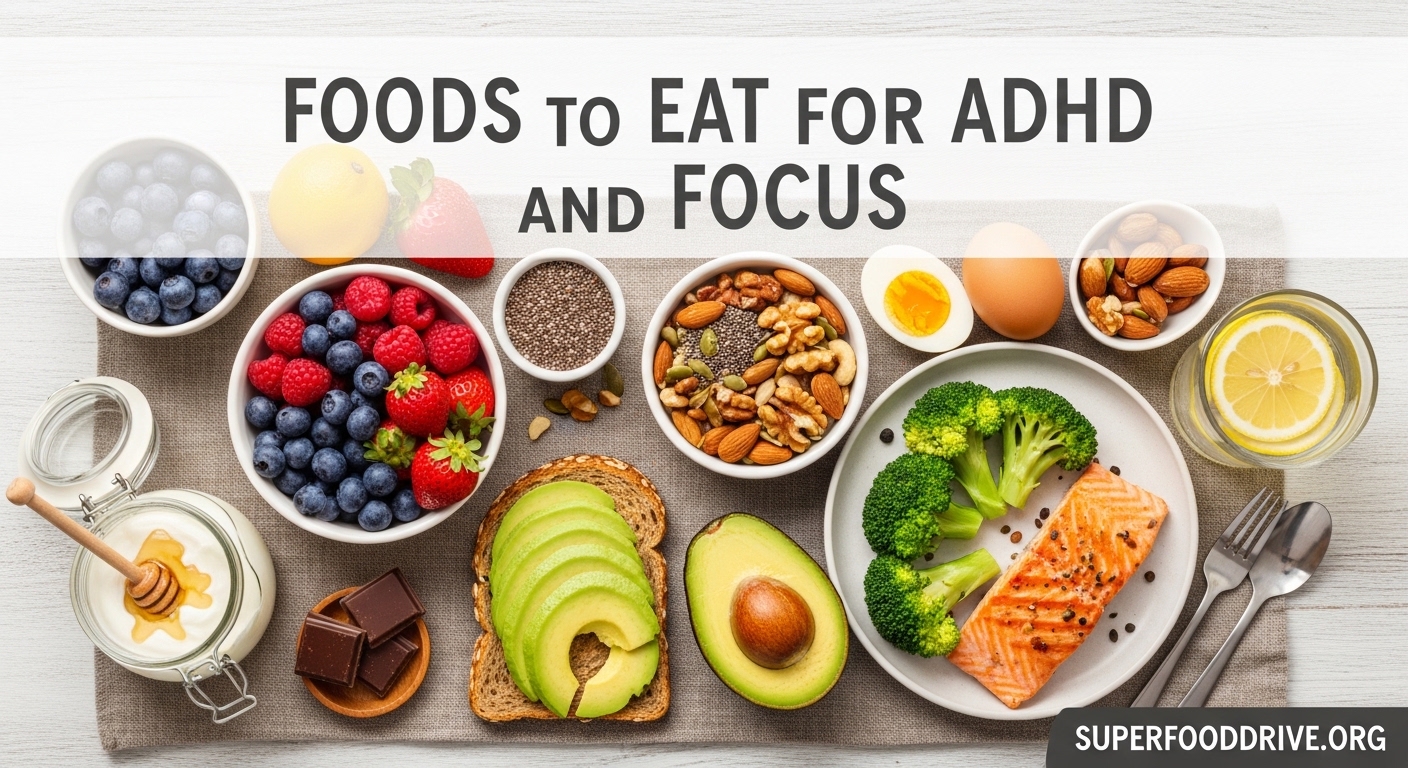
Finding the right foods to eat for ADHD and focus can transform how your brain functions throughout the day. Research from UCLA Health shows that eating more fruits and vegetables correlates directly with fewer ADHD symptoms. This guide combines scientific research with real experiences from people living with ADHD to give you practical, actionable nutrition strategies that actually work.
Our team spent months analyzing clinical studies and reading thousands of forum discussions from adults managing ADHD every day. We discovered that certain foods can support neurotransmitter function, stabilize energy levels, and help you get the most from your ADHD treatment. Whether you are newly diagnosed or have been managing symptoms for years, these nutrition insights can make a measurable difference in your focus and daily functioning.
Table of Contents
How Does Diet Affect ADHD Symptoms?
The connection between what you eat and how your brain functions is stronger than many people realize. Your brain requires specific nutrients to produce neurotransmitters like dopamine and norepinephrine, which are often imbalanced in people with ADHD. When you fuel your brain properly, you support the same pathways that ADHD medications target.
Blood sugar stability plays a crucial role in managing ADHD symptoms. Research published in the PMC database shows that glucose fluctuations can worsen attention and hyperactivity. Simple carbohydrates cause rapid spikes and crashes in blood sugar, leading to the infamous afternoon focus crash that many with ADHD experience. When blood sugar drops, so does your ability to concentrate and regulate impulses.
The brain consumes about 20% of your daily energy intake, making it the most energy-demanding organ in your body. For people with ADHD, this energy demand is even more critical because the ADHD brain often has differences in glucose metabolism. Providing steady, consistent fuel through proper nutrition helps maintain the cognitive resources needed for executive function tasks like planning, organizing, and focusing.
A well-balanced ADHD diet is not about restriction. It is about choosing foods that provide steady energy, essential minerals, and brain-healthy fats. Think of nutrition as complementary support for your treatment plan, working alongside medication and behavioral strategies rather than replacing them. The goal is sustainable improvements that fit into real life with ADHD.
Fruits and Vegetables for ADHD Focus
The research is clear: people who eat more produce experience fewer ADHD symptoms. A study cited by UCLA Health found that children and adults consuming higher amounts of fruits and vegetables showed measurable improvements in attention and behavior. The antioxidants and phytonutrients in produce help reduce inflammation that can affect brain function.
Blueberries deserve special mention for ADHD nutrition. These small berries pack an incredible antioxidant punch that protects brain cells and supports cognitive function. The anthocyanins in blueberries have been shown to improve memory and delay cognitive aging. Many adults on Reddit report that frozen blueberries blended into smoothies provide an easy, low-effort way to get these benefits without complicated meal prep. Keeping a bag of frozen blueberries in your freezer ensures you always have brain food available.
Bananas offer quick energy plus vitamin B6, which helps your body produce dopamine. They also contain potassium, which supports nerve function throughout the brain and body. The natural sugars in bananas come packaged with fiber, preventing the sharp blood sugar spikes you would get from candy or soda. Leafy greens like spinach and kale provide folate and magnesium, both linked to better focus and reduced hyperactivity.
Oranges and other citrus fruits deliver vitamin C, which supports neurotransmitter synthesis and helps your body absorb iron more effectively. Broccoli and bell peppers are also excellent vitamin C sources that provide additional fiber and nutrients. Avocados, though technically a fruit, offer healthy monounsaturated fats that support brain cell structure and reduce inflammation.
The key is consistency rather than perfection. One forum user shared that keeping baby carrots and cherry tomatoes within arm’s reach helped them snack healthier throughout the day. When executive dysfunction makes meal planning difficult, having pre-washed, ready-to-eat produce removes the friction that often leads to impulsive food choices. Pre-cut vegetables from the grocery store might cost more, but they are worth it if they help you eat better consistently.
Protein-Rich Foods That Boost ADHD Focus
Protein might be the most important macronutrient for ADHD brain function. Amino acids from protein are the building blocks of neurotransmitters, particularly dopamine and norepinephrine. Starting your day with protein can set the foundation for better focus and sustained energy. Without adequate protein, your brain simply cannot produce the chemicals needed for optimal attention.
Research and real-world experiences consistently point to the importance of a high-protein breakfast. One Reddit user with ADHD explained that eating eggs or yogurt in the morning completely changed their ability to concentrate at work. The amino acids from protein help your brain produce the chemicals needed for alertness and attention. Studies suggest that protein at breakfast can improve cognitive performance and reduce impulsive behavior throughout the morning.
Eggs are particularly valuable because they contain choline, a nutrient essential for memory and cognitive function. Choline helps produce acetylcholine, another neurotransmitter critical for attention and learning. Eggs also provide vitamin D, which has been linked to better ADHD symptom management in some studies. Scrambled, boiled, or in an omelet, eggs offer one of the most complete protein sources available.
Greek yogurt provides protein plus probiotics that support gut health, which emerging research connects to brain function. The gut-brain axis is increasingly recognized as important for mental health and cognitive function. Choose plain Greek yogurt to avoid added sugars, then add your own fruit and nuts for flavor and nutrition. One cup of Greek yogurt can deliver 15-20 grams of protein, making it an efficient brain fuel source.
Lean meats like chicken and turkey offer complete proteins without excessive saturated fat. Turkey contains tryptophan, which supports serotonin production and may help with the emotional regulation challenges many people with ADHD experience. Chicken is versatile, affordable, and easy to prepare in batches for the week ahead.
For those who struggle with executive dysfunction around cooking, canned options can be lifesavers. Canned tuna and canned chicken provide affordable, shelf-stable protein that requires minimal preparation. One forum member shared that keeping these stocked helped them maintain nutrition even during difficult weeks when cooking felt impossible. A can of tuna mixed with avocado and lemon juice creates a nutritious meal in under two minutes.
Nuts and seeds offer portable protein perfect for ADHD-friendly snacking. Almonds, walnuts, and pumpkin seeds combine protein with healthy fats and minerals. The crunch factor also provides sensory satisfaction that many people with ADHD find helpful for focus. Pumpkin seeds are particularly valuable for ADHD because they contain zinc, magnesium, and iron, three minerals often deficient in people with attention disorders.
Omega-3 Fatty Acids: Brain Fuel for ADHD
Omega-3 fatty acids deserve their reputation as brain food, especially for ADHD. These essential fats, particularly EPA and DHA, make up a significant portion of brain tissue and play vital roles in neurotransmission and inflammation reduction. Multiple studies have shown that omega-3 supplementation can reduce ADHD symptoms, though getting these fats from whole foods is ideal.
The brain is nearly 60% fat, and DHA specifically makes up a large portion of the brain’s gray matter. Without adequate omega-3s, cell membranes become less flexible, impairing communication between neurons. Research suggests that people with ADHD often have lower levels of omega-3 fatty acids than those without the condition. Increasing intake through food or supplements may help normalize these levels and improve symptoms.
Fatty fish are the best dietary sources of EPA and DHA. Salmon, mackerel, sardines, and herring deliver these brain-healthy fats in highly bioavailable forms. Research suggests that eating fatty fish twice per week provides meaningful support for cognitive function and may enhance the effectiveness of ADHD medications. Wild-caught salmon typically contains higher omega-3 levels than farmed varieties.
Canned salmon and sardines offer convenient, affordable options that require no cooking. One ADHD forum user shared that keeping canned salmon in their pantry helped them get omega-3s even when they could not manage grocery shopping. Mixing canned fish with avocado creates a nutrient-dense meal that takes minutes to prepare. Sardines on whole grain crackers with a squeeze of lemon make an excellent ADHD-friendly snack.
For those who do not eat fish, walnuts, flaxseeds, and chia seeds provide ALA, a plant-based omega-3. While your body must convert ALA to EPA and DHA, these foods still offer benefits and can be easily added to smoothies or oatmeal. Chia seeds can be soaked in almond milk overnight for a simple pudding that requires no cooking. Flaxseeds should be ground for optimal absorption and can be sprinkled on yogurt or salads.
Algae-based supplements provide a direct source of DHA for vegetarians and vegans. These supplements bypass the need for conversion and deliver the same brain-healthy fats found in fish. If you choose to supplement rather than get omega-3s from food, discuss appropriate dosages with your healthcare provider, especially if you take blood-thinning medications.
Complex Carbohydrates for Sustained Focus
Not all carbohydrates affect ADHD symptoms equally. Complex carbohydrates with fiber provide steady energy release that supports consistent focus throughout the day. Simple carbohydrates, on the other hand, cause blood sugar spikes followed by crashes that can worsen attention and increase irritability.
The glycemic index measures how quickly foods raise blood sugar levels. Low-glycemic foods, which include most complex carbohydrates, release glucose slowly into the bloodstream. This steady release provides consistent fuel for your brain without the dramatic peaks and valleys that disrupt concentration. For people with ADHD, maintaining this stability is essential for managing symptoms effectively.
Whole grains like oats, quinoa, brown rice, and whole wheat provide the brain’s preferred fuel source while maintaining stable blood sugar. Oatmeal is particularly beneficial for breakfast because it releases energy slowly and contains fiber that keeps you satisfied. Steel-cut oats have a lower glycemic index than instant varieties, providing even steadier energy. Adding berries and nuts to oatmeal creates a complete ADHD-supportive meal.
Sweet potatoes offer complex carbs plus magnesium and vitamin B6, both important for ADHD management. Their natural sweetness satisfies cravings while providing more nutrition than processed sugary foods. The fiber in sweet potatoes slows digestion, preventing the rapid blood sugar rise that comes from regular potatoes or white bread. Roasted sweet potato wedges make an easy side dish or snack.
Beans and lentils deliver complex carbohydrates combined with protein and fiber, making them nutritional powerhouses for sustained energy. Unlike meat, legumes provide iron in a form that requires vitamin C for optimal absorption. Pairing beans with bell peppers or tomatoes in a meal maximizes the nutritional benefit. Lentil soup is a convenient make-ahead option that stores well and reheats quickly.
The glycemic index matters for ADHD nutrition. Low-glycemic foods like most vegetables, whole grains, and legumes provide steady fuel without the rollercoaster effect. When you need to concentrate for extended periods, choosing these slower-burning carbohydrates helps prevent the energy crashes that derail productivity. Swapping white bread for whole grain and white rice for brown rice are simple changes that can make noticeable differences in daily focus.
Critical Minerals: Iron, Zinc, and Magnesium for ADHD
Several minerals play outsized roles in ADHD symptom management. Deficiencies in iron, zinc, and magnesium are more common in people with ADHD and can worsen symptoms significantly. Addressing these nutritional gaps often produces noticeable improvements in focus and behavior. Blood tests can identify deficiencies, allowing targeted dietary changes or supplementation.
Iron deficiency affects dopamine production and has been linked to more severe ADHD symptoms. Good dietary sources include lean red meat, spinach, lentils, and fortified cereals. Research suggests that even mild iron deficiency without anemia can impact attention and cognitive function. The brain requires iron to produce dopamine and several other neurotransmitters critical for attention and motivation.
Vitamin C significantly increases iron absorption from plant sources, so pairing iron-rich foods with citrus or bell peppers maximizes benefit. Cooking in cast iron pans can also increase the iron content of acidic foods like tomato sauce. If you suspect low iron, ask your healthcare provider about testing before supplementing, as excess iron can be harmful. Symptoms of deficiency include fatigue, difficulty concentrating, and restless legs.
Zinc supports dopamine regulation and neurotransmitter function throughout the brain. Foods rich in zinc include oysters, beef, pumpkin seeds, and chickpeas. Studies have found that zinc supplementation can reduce hyperactivity and impulsivity, though food sources are preferable when possible. Zinc deficiency has been associated with increased severity of ADHD symptoms in children and adults.
The highest dietary zinc sources come from animal products, making supplementation or careful planning important for vegetarians. Soaking and sprouting beans and grains can increase their zinc bioavailability. Zinc also supports immune function and wound healing, making it important for overall health beyond ADHD management.
Magnesium deserves special attention for ADHD because it promotes calm while supporting focus. This mineral helps regulate neurotransmitter signaling and can reduce hyperactivity. Leafy greens, nuts, seeds, and dark chocolate provide magnesium. Many adults on ADHD forums report that increasing magnesium-rich foods helped them feel less restless and more able to concentrate.
Magnesium also plays a role in sleep quality, which directly affects ADHD symptoms. Poor sleep exacerbates attention problems and emotional dysregulation. Foods high in magnesium, like pumpkin seeds and almonds, consumed in the evening may support better sleep. Epsom salt baths, which provide magnesium through the skin, are another strategy some people with ADHD find helpful for relaxation.
Foods to Limit or Avoid With ADHD
Just as certain foods support ADHD focus, others can undermine it. Understanding what to limit helps you make informed choices that support your treatment goals. This is not about perfection or never enjoying treats; it is about awareness and strategic reduction. Small changes in what you avoid can be as impactful as what you add.
Sugar tops the list of foods to minimize. High sugar intake causes blood sugar spikes and crashes that worsen attention problems and mood instability. Many adults with ADHD report that reducing sugar helped them feel more stable and focused throughout the day. The rapid energy surge followed by the inevitable crash mimics and exacerbates ADHD symptoms of distractibility and emotional volatility.
When you want something sweet, whole fruits provide natural sugars packaged with fiber and nutrients. Dark chocolate with high cocoa content offers antioxidants with less sugar than milk chocolate. Dates and dried fruits can satisfy sweet cravings while providing additional nutrients. Reading labels helps identify hidden sugars in products like pasta sauce, salad dressings, and yogurt.
Simple carbohydrates like white bread, white rice, and regular pasta convert quickly to sugar in your body. These foods provide short energy bursts followed by crashes that can trigger brain fog and irritability. Swapping these for whole grain alternatives provides more sustained fuel for your brain. Even pasta can be improved by choosing whole wheat or legume-based varieties.
Artificial food colors and preservatives have been linked to increased hyperactivity in some people with ADHD. While individual responses vary, many parents and adults report improvements after eliminating these additives. Reading labels and choosing whole foods over processed products reduces exposure to these potential triggers. The Feingold Diet, which eliminates artificial colors and flavors, has helped some individuals significantly.
Caffeine requires individual consideration. Some people with ADHD find that moderate caffeine helps focus, while others experience increased anxiety and sleep disruption. If you take stimulant medication, caffeine can amplify side effects like jitteriness. Pay attention to how your body responds and adjust accordingly. The timing of caffeine matters too; consuming it after 2 PM can interfere with sleep even if you do not feel wired.
Highly processed foods often combine multiple problematic elements: refined carbohydrates, added sugars, unhealthy fats, and artificial additives. These foods are designed to be hyper-palatable, which can trigger the impulsive eating patterns common in ADHD. Cooking simple meals at home, even basic ones, usually provides better nutrition than restaurant or packaged options.
The Mediterranean Diet and ADHD Connection
The Mediterranean diet has emerged as particularly beneficial for ADHD management. This eating pattern emphasizes fruits, vegetables, whole grains, legumes, nuts, fish, and olive oil while limiting red meat and processed foods. Research published in 2026 shows that adherence to a Mediterranean diet correlates with lower rates of ADHD diagnosis and reduced symptom severity.
The anti-inflammatory nature of the Mediterranean diet may explain its benefits for ADHD. Chronic inflammation affects brain function and has been linked to various mental health conditions. The omega-3 fatty acids from fish, antioxidants from fruits and vegetables, and healthy fats from olive oil all work together to reduce inflammatory markers in the body.
You do not need to live in the Mediterranean to follow this eating pattern. Start by increasing your intake of vegetables and olive oil. Replace butter with olive oil for cooking. Eat fish twice weekly. Snack on nuts instead of chips. These gradual shifts move your diet in a direction that supports brain health without requiring overwhelming changes.
Practical ADHD-Friendly Eating Strategies
Knowing which foods support ADHD focus is only half the battle. The other half is actually eating them consistently, which can be challenging when executive dysfunction affects meal planning, grocery shopping, and cooking. These strategies address the practical barriers that many people with ADHD face. The goal is making good nutrition accessible even on difficult days.
Meal timing matters for maintaining steady focus. Eating regular meals and snacks prevents blood sugar crashes that worsen ADHD symptoms. However, many ADHD medications suppress appetite, making this challenging. If you take medication, plan nutrient-dense foods for breakfast before dosing, and keep protein-rich snacks available for when appetite returns. Setting phone reminders to eat can help counter medication-induced appetite suppression.
ADHD-friendly meal prep focuses on simplicity and low friction. One forum user shared their winning strategy: preparing ingredients rather than full meals. Having washed vegetables, cooked proteins, and pre-portioned snacks ready to grab reduces the decision fatigue that often leads to impulsive eating. Another popular tip is the “mix and match” approach, where you prepare components that can be combined in different ways throughout the week.
Sheet pan meals minimize both cooking time and cleanup. Toss vegetables and protein with olive oil and seasonings, then roast everything together. One pan feeds you for multiple meals with minimal effort. Slow cookers and instant pots also reduce active cooking time, allowing you to prepare nutritious meals even when focus is limited.
Smart snacking keeps energy stable between meals. A favorite combination from Reddit ADHD communities is blueberries, cashews, and dark chocolate chips. This mix provides antioxidants, protein, healthy fats, and a touch of sweetness without the crash of pure sugar. Other easy options include apple slices with almond butter, hard-boiled eggs, or Greek yogurt with berries.
Keep emergency snacks stashed in multiple locations: your desk drawer, car, bag, and bedside table. When hyperfocus strikes or medication suppresses appetite, having acceptable options within reach prevents the “too hungry to prepare food” trap that leads to poor choices. Protein bars, individual nut packs, and dried fruit are portable options that do not require refrigeration.
Grocery shopping with ADHD requires strategy. Online ordering with pickup eliminates the overwhelming sensory experience of store browsing. Keeping a master grocery list organized by store sections reduces the cognitive load of planning. Shopping at the same store consistently helps you learn the layout so you can navigate on autopilot. Some people find that shopping during less busy hours reduces overstimulation and decision fatigue.
Smoothies offer a secret weapon for ADHD nutrition. When hyperfocus keeps you at your desk or motivation for cooking is nonexistent, blending frozen fruit, spinach, protein powder, and nut butter delivers comprehensive nutrition in minutes. Many forum users swear by smoothies as their go-to when executive dysfunction makes regular meals feel impossible. Frozen fruit eliminates the pressure of using produce before it spoils.
Hydration also affects focus, yet many people with ADHD forget to drink water throughout the day. Dehydration mimics and worsens ADHD symptoms like fatigue and difficulty concentrating. Keep a large water bottle visible at your workspace as a visual reminder. Herbal teas or water infused with fruit can make hydration more appealing if plain water feels boring.
What Is the 5-3-1 Rule for ADHD?
The 5-3-1 rule provides a simple framework for managing ADHD in various contexts, including diet and daily routines. This rule suggests focusing on 5 key priorities, narrowing to 3 actionable steps, and completing 1 specific task at a time. Applied to nutrition, this means identifying 5 beneficial food categories, planning 3 simple meals or snacks, and eating 1 mindful bite at a time.
For ADHD eating specifically, the 5-3-1 approach can simplify decision-making that often feels overwhelming. Choose 5 go-to foods that support your focus (perhaps eggs, salmon, blueberries, spinach, and almonds). Plan 3 easy meal combinations using these ingredients. Then focus on eating 1 meal at a time without multitasking, which helps with mindful eating and digestion.
This framework acknowledges that people with ADHD often struggle with too many choices. By pre-committing to a smaller set of options, you reduce the decision fatigue that leads to impulsive eating or skipping meals. The 5-3-1 rule works because it provides structure without requiring perfection. When grocery shopping feels overwhelming, knowing you only need to buy ingredients for your 5 staple foods simplifies the process.
What Is the 30% Rule of ADHD?
The 30% rule refers to the estimated developmental delay often seen in executive functioning for people with ADHD. Research suggests that individuals with ADHD may experience executive function skills that are approximately 30% behind their chronological age. This explains why a 25-year-old with ADHD might struggle with meal planning and cooking at a level more typical of a teenager.
Understanding this rule helps set realistic expectations for nutrition management. If meal prep feels impossibly difficult, it is not a character flaw. It reflects genuine neurological differences that require adaptive strategies. The 30% rule reminds us that ADHD-friendly eating plans must account for these executive function differences rather than assuming typical adult capabilities. Comparing yourself to neurotypical peers of the same age creates unfair expectations.
Practically, this means choosing food preparation methods that match your actual executive function capacity, not what you think you “should” be able to do. If cooking full meals feels overwhelming, pre-cut vegetables and rotisserie chicken are valid choices. If grocery shopping is exhausting, delivery services are reasonable accommodations. Working with your brain rather than against it leads to better nutrition outcomes. Meeting yourself where you are, rather than where you think you should be, is essential for sustainable change.
Frequently Asked Questions
What foods can improve ADHD?
Foods that can improve ADHD symptoms include fruits and vegetables (especially berries and leafy greens), lean proteins like eggs and fish, omega-3 rich foods such as salmon and walnuts, complex carbohydrates including whole grains and legumes, and foods high in iron, zinc, and magnesium. Research shows these foods support neurotransmitter function, stabilize blood sugar, and reduce inflammation that can worsen ADHD symptoms.
What is the 30% rule of ADHD?
The 30% rule refers to research suggesting people with ADHD experience executive function skills approximately 30% behind their chronological age. This developmental delay affects planning, organization, and self-regulation abilities. Understanding this helps set realistic expectations for managing daily tasks like meal planning and cooking, encouraging the use of adaptive strategies rather than self-criticism.
What foods are good for ADHD focus?
The best foods for ADHD focus include protein-rich options like eggs, Greek yogurt, and lean meats that support neurotransmitter production. Omega-3 fatty acids from salmon, sardines, and walnuts nourish brain tissue. Complex carbohydrates from oats, quinoa, and sweet potatoes provide steady energy. Fruits and vegetables, particularly blueberries, bananas, and leafy greens, deliver antioxidants and essential nutrients that support cognitive function.
Does diet affect ADHD symptoms?
Yes, diet affects ADHD symptoms. Research from UCLA Health shows that eating more fruits and vegetables correlates with fewer ADHD symptoms. Foods that stabilize blood sugar and provide essential nutrients support the same neurotransmitter pathways targeted by ADHD medications. While diet cannot replace medication or behavioral therapy, proper nutrition can enhance treatment effectiveness and reduce symptom severity.
What is the best breakfast for ADHD?
The best breakfast for ADHD includes high-quality protein, complex carbohydrates, and healthy fats. A protein-rich breakfast like eggs with whole grain toast and avocado provides amino acids for neurotransmitter production, steady energy from complex carbs, and brain-healthy fats. Greek yogurt with berries and nuts or oatmeal with protein powder and walnuts are also excellent choices that support focus throughout the morning.
Conclusion: Building Your ADHD-Focused Diet
The right foods to eat for ADHD and focus provide your brain with steady energy, essential nutrients, and the building blocks for neurotransmitters. By emphasizing fruits, vegetables, lean proteins, omega-3 fatty acids, and complex carbohydrates while limiting sugar and processed foods, you create a nutritional foundation that supports your treatment goals.
Remember that perfection is not the goal. Small, consistent changes produce meaningful results over time. Start with one meal at a time, perhaps focusing on a protein-rich breakfast or adding berries to your routine. Use the practical strategies shared by real ADHD community members to work with your executive function differences rather than against them. The 5-3-1 rule can help simplify your approach when feeling overwhelmed.
Consult with your healthcare provider before making major dietary changes, especially if you take ADHD medication or have other health conditions. Diet works best as part of a comprehensive approach that includes appropriate medical care, behavioral strategies, and self-compassion. Understanding the 30% rule can help you set realistic expectations for yourself. With the right nutritional support, you can give your brain the fuel it needs to function at its best.