
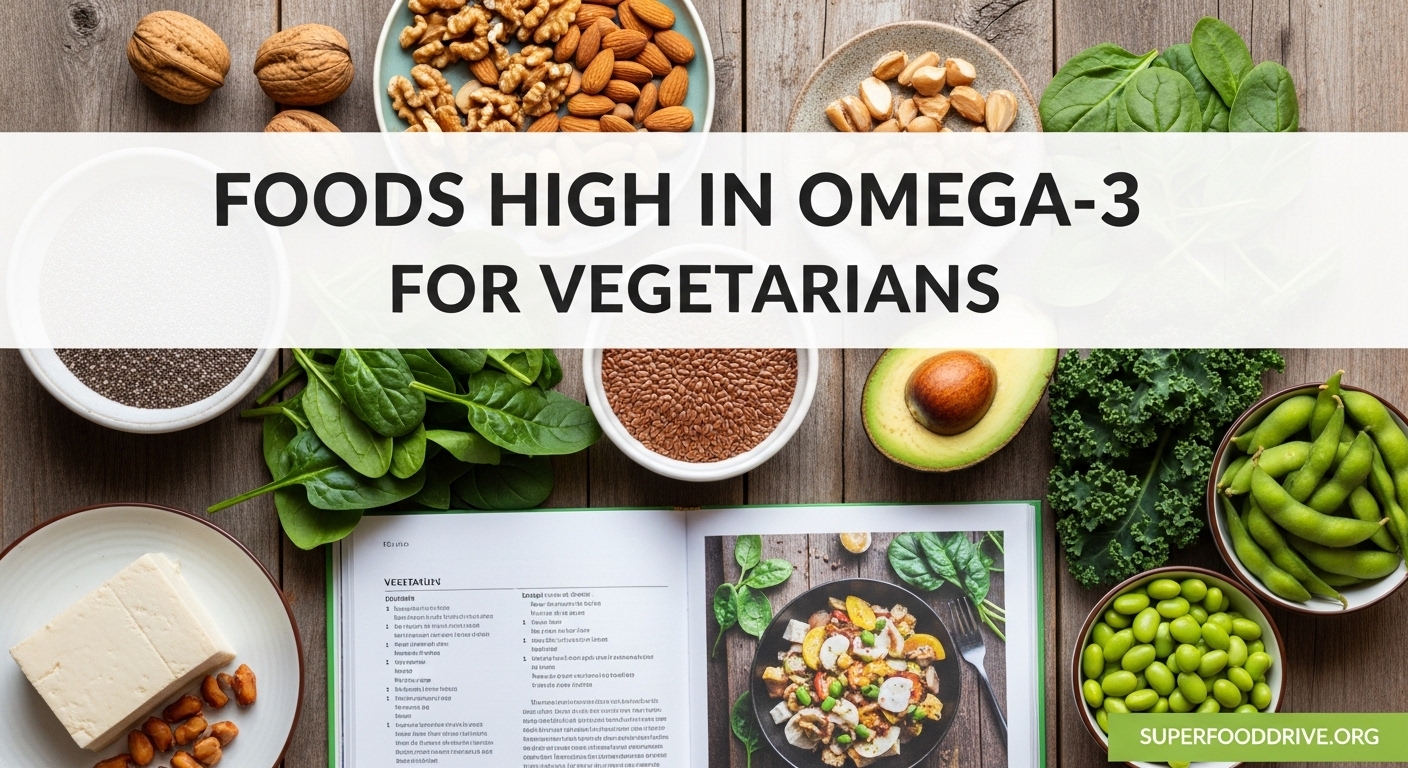
Getting enough omega-3 fatty acids on a vegetarian diet is easier than most people think. You don’t need fish to meet your daily requirements. In fact, plant-based foods can provide all the ALA omega-3 your body needs, with options to boost EPA and DHA through strategic food choices or algae-based supplements.
Our team spent weeks analyzing the best foods high in omega-3 for vegetarians to create this comprehensive guide. Whether you’re fully plant-based or simply cutting back on fish, you’ll discover exactly which foods deliver the highest omega-3 content per serving. I’ll show you specific amounts, practical ways to add these foods to your meals, and tips to maximize absorption.
By the end of this guide, you’ll know which vegetarian omega-3 sources deserve space in your kitchen, how much you actually need daily, and when supplementation might make sense for your situation.
Table of Contents
Understanding Omega-3 Fatty Acids: What Vegetarians Need to Know
Before diving into food sources, let’s clarify what omega-3s actually are. These essential fatty acids play critical roles in brain function, heart health, and inflammation regulation. Your body cannot produce them on its own, which means you must get them from food.
What Are the Three Types of Omega-3?
Omega-3 fatty acids come in three main forms:
ALA (Alpha-Linolenic Acid): This is the form found in plant foods. Your body uses ALA as a building block but must convert it to the other omega-3 types.
EPA (Eicosapentaenoic Acid): Primarily found in fish and algae, EPA supports heart health and reduces inflammation throughout your body.
DHA (Docosahexaenoic Acid): Also found in fish and algae, DHA is crucial for brain development, cognitive function, and eye health.
How Does Your Body Convert ALA to EPA and DHA?
The conversion process is where things get interesting for vegetarians. Your body can transform ALA into EPA and DHA through a series of enzymatic reactions. However, this conversion is inefficient.
Research shows that only about 5-15% of ALA converts to EPA, and less than 5% becomes DHA. Several factors affect this conversion rate:
- High omega-6 intake from processed foods competes for the same conversion enzymes
- Aging reduces conversion efficiency
- Genetics play a role in individual conversion rates
- Gender differences exist, with women typically converting ALA more efficiently than men
This limited conversion is why some vegetarians, especially pregnant women and older adults, choose algae-based supplements for direct DHA and EPA.
Top Vegetarian Foods High in Omega-3
These plant-based foods deliver impressive amounts of ALA omega-3 per serving. I’ve organized them by omega-3 content to help you prioritize your choices.
| Food | Serving Size | Omega-3 Content (ALA) | % Daily Value |
|---|---|---|---|
| Chia seeds | 1 oz (28g) | 5,060 mg | 316% |
| Ground flaxseed | 1 oz (28g) | 4,800 mg | 300% |
| Walnuts | 1 oz (14 halves) | 2,570 mg | 161% |
| Hemp seeds | 1 oz (28g) | 2,400 mg | 150% |
| Edamame | 1 cup cooked | 560 mg | 35% |
| Seaweed (nori) | 1 cup raw | 180 mg | 11% |
| Canola oil | 1 tablespoon | 1,280 mg | 80% |
| Pumpkin seeds | 1 oz (28g) | 50 mg | 3% |
1. Chia Seeds: The Omega-3 Champion
Chia seeds top the list with over 5,000 mg of ALA per ounce. These tiny seeds pack more omega-3 per serving than almost any other plant food.
They’re incredibly versatile. I add them to overnight oats, blend them into smoothies, or make chia pudding by soaking them in plant milk. The seeds absorb liquid and create a gel-like texture that works well in baking too.
Whole chia seeds don’t need grinding. Your body can digest and access the omega-3s from whole seeds, unlike flaxseed.
2. Ground Flaxseed: The Budget-Friendly Powerhouse
Ground flaxseed delivers nearly 4,800 mg of ALA per ounce at a fraction of the cost of chia seeds. It’s one of the most economical ways to boost your omega-3 intake.
However, flaxseed must be ground for your body to absorb the omega-3s. Whole flax seeds pass through your digestive system mostly intact. Buy pre-ground flaxseed or grind whole seeds in a coffee grinder.
Add ground flaxseed to smoothies, oatmeal, or baked goods. Store it in the refrigerator or freezer to prevent the oils from going rancid.
3. Walnuts: The Convenient Snack Option
Walnuts provide about 2,570 mg of ALA per ounce, making them the highest nut source of omega-3s. They’re easy to grab as a snack or add to meals.
I keep a bag of walnuts in my desk and add a small handful to salads, yogurt, or trail mix. Their mild flavor complements both sweet and savory dishes.
Store walnuts in the refrigerator to maintain freshness. The high oil content means they can go rancid quickly at room temperature.
4. Hemp Seeds: The Complete Protein Source
Hemp seeds offer approximately 2,400 mg of ALA per ounce plus all nine essential amino acids. They have a pleasant, nutty flavor and soft texture.
Sprinkle hemp seeds on salads, blend them into smoothies, or stir them into oatmeal. Unlike chia or flax, hemp seeds don’t require soaking or grinding.
They’re also less likely to cause digestive discomfort compared to high-fiber chia seeds.
5. Edamame: The Protein-Rich Legume
Edamame delivers about 560 mg of ALA per cup along with 17 grams of protein. These young soybeans make an excellent addition to vegetarian meals.
I add shelled edamame to stir-fries, grain bowls, and salads. They’re also great as a simple snack, steamed with a sprinkle of sea salt.
Edamame provides the added benefit of isoflavones, which may support heart health.
6. Seaweed and Algae: The Direct DHA/EPA Source
Seaweed and algae are unique among plant foods because they contain small amounts of DHA and EPA directly, not just ALA. While the amounts are modest compared to fish, they provide these long-chain omega-3s without conversion.
Nori sheets used for sushi contain about 180 mg of omega-3 per cup. Other varieties like wakame and spirulina also contribute omega-3s.
For higher DHA/EPA intake, algae oil supplements derived from marine algae offer a vegetarian alternative to fish oil.
7. Canola Oil: The Cooking Staple
Canola oil provides 1,280 mg of ALA per tablespoon, making it the highest omega-3 cooking oil. It’s a practical choice for everyday cooking and baking.
Use canola oil for sauteeing vegetables, in salad dressings, or as a neutral-flavored oil in baking. It has a higher smoke point than flaxseed oil, making it more versatile for cooking.
Compare this to olive oil, which contains only about 100 mg of omega-3 per tablespoon.
8. Pumpkin Seeds: The Bonus Source
Pumpkin seeds contain modest omega-3 amounts (about 50 mg per ounce) but offer other nutritional benefits. They’re rich in zinc, magnesium, and protein.
While not a primary omega-3 source, pumpkin seeds contribute to your overall intake while adding variety to your diet.
Health Benefits of Omega-3 for Vegetarians
Getting adequate omega-3s from plant sources delivers the same core health benefits as fish-based sources. Here’s what the research shows.
Brain Health and Cognitive Function
DHA makes up about 40% of the polyunsaturated fatty acids in your brain. Adequate intake supports memory, learning, and overall cognitive performance.
Studies suggest that higher omega-3 intake is associated with reduced risk of cognitive decline as we age. For vegetarians, combining ALA-rich foods with algae supplements can help ensure adequate DHA levels for brain health.
Heart Health and Cardiovascular Benefits
Omega-3s support cardiovascular health through multiple mechanisms. They help reduce triglycerides, lower blood pressure slightly, and decrease inflammation in blood vessels.
EPA is particularly effective at reducing inflammation, while ALA from plant sources has been linked to reduced risk of heart disease in population studies.
Anti-Inflammatory Properties
Both EPA and DHA help regulate your body’s inflammatory response. Chronic inflammation is linked to numerous health conditions, from arthritis to heart disease.
While plant-based ALA converts to EPA at a modest rate, the anti-inflammatory benefits still contribute to overall health. Some studies show vegetarians and vegans have lower inflammatory markers than meat-eaters, possibly due to higher overall plant food intake.
Eye Health
DHA is a major structural component of the retina. Adequate intake supports vision and may help prevent age-related macular degeneration.
The eye’s photoreceptor cells contain high concentrations of DHA, making this omega-3 essential for visual development and maintenance.
Maximizing Omega-3 Absorption and ALA Conversion
Getting omega-3s into your diet is only half the battle. You also want to maximize absorption and conversion to get the full benefit.
Why You Should Grind Your Flaxseed
Whole flax seeds have a hard outer shell that resists digestion. If you eat them whole, they pass through your system largely intact, taking their omega-3s with them.
Grinding breaks that shell and releases the oils. Use a coffee grinder, spice grinder, or blender to process whole flax seeds. Pre-ground flaxseed is convenient but has a shorter shelf life.
Store ground flaxseed in an airtight container in the refrigerator or freezer. The exposed oils oxidize quickly at room temperature.
The Omega-6 to Omega-3 Ratio Explained
Your body’s ability to convert ALA to EPA and DHA depends partly on your omega-6 intake. These fatty acids compete for the same conversion enzymes.
The typical Western diet contains 15-20 times more omega-6 than omega-3. For optimal conversion, aim for a ratio closer to 4:1 or even 1:1.
Common omega-6 sources include:
- Soybean oil and corn oil (common in processed foods)
- Sunflower seeds and sunflower oil
- Safflower oil
- Cottonseed oil
Reducing processed foods and cooking with canola oil instead of high omega-6 oils can improve your ratio significantly.
Storage Tips to Preserve Omega-3 Content
Omega-3 fatty acids are delicate and degrade when exposed to heat, light, and air. Proper storage preserves their nutritional value.
Keep chia seeds, ground flaxseed, and hemp seeds in airtight containers in the refrigerator or freezer. Store walnuts in the refrigerator, not the pantry.
Buy oils in dark glass bottles and store them away from direct light. Use flaxseed oil only for cold applications like salad dressings, never for cooking.
Practical Ways to Add Omega-3 Foods to Your Diet
Knowing which foods are high in omega-3 is helpful, but actually eating them daily makes the difference. Here are practical ways I’ve incorporated these foods into my routine.
Breakfast Ideas
Omega-3 Overnight Oats: Combine rolled oats with chia seeds, ground flaxseed, and plant milk. Let sit overnight, then top with walnuts and berries.
Green Smoothie: Blend spinach, frozen berries, banana, hemp seeds, and almond milk. Add a tablespoon of ground flaxseed for extra omega-3s.
Walnut Granola: Make homemade granola with oats, chopped walnuts, pumpkin seeds, and a touch of maple syrup. Serve with yogurt.
Lunch and Salad Options
Superfood Salad: Build a salad with mixed greens, edamame, hemp seeds, walnuts, and avocado. Dress with canola oil vinaigrette.
Grain Bowls: Start with quinoa or brown rice. Top with roasted vegetables, chickpeas, and a sprinkle of hemp seeds and walnuts.
Seaweed Wraps: Use nori sheets to make vegetable wraps with avocado, cucumber, and brown rice.
Smoothie Combinations
Smoothies offer an easy way to pack multiple omega-3 sources into one drink. Try these combinations:
The Omega Bomb: Frozen mango, spinach, chia seeds, hemp seeds, ground flaxseed, and coconut water.
Berry Walnut Blend: Mixed berries, banana, walnuts, ground flaxseed, and oat milk.
Green Machine: Kale, pineapple, edamame, hemp seeds, and orange juice.
Dinner Additions
Stir-Fry Topping: Sprinkle hemp seeds or walnuts over any vegetable stir-fry just before serving.
Pasta Enhancement: Add ground flaxseed to tomato sauce or sprinkle hemp seeds over pesto pasta.
Roasted Vegetables: Toss sweet potatoes or Brussels sprouts with canola oil before roasting, then top with pumpkin seeds.
When Should Vegetarians Consider Supplements?
Most healthy adults can meet their omega-3 needs through ALA-rich foods alone. However, certain situations warrant considering algae-based supplements for direct DHA and EPA.
Pregnancy and Breastfeeding
Pregnant and lactating women have higher DHA needs to support fetal brain and eye development. The conversion of ALA to DHA may not provide adequate amounts during these critical periods.
Algae oil supplements offer a vegetarian source of preformed DHA without fish. Many prenatal vitamins now include algae-derived DHA.
Older Adults
Conversion efficiency declines with age. Older adults may benefit from direct DHA/EPA sources to maintain cognitive function and heart health.
If you’re over 60 and following a vegetarian diet, consider getting your omega-3 index tested to see if supplementation makes sense.
People with Higher Needs
Individuals with inflammatory conditions, high triglycerides, or specific genetic variants affecting conversion may need more direct EPA and DHA.
Consult with a healthcare provider about testing your omega-3 levels if you have specific health concerns.
Algae Oil as a Direct Source
Algae oil supplements provide DHA and sometimes EPA directly, bypassing the conversion process entirely. They’re derived from the same microalgae that fish consume to accumulate omega-3s.
Look for supplements that specify the DHA and EPA content. Typical doses range from 200-600 mg of combined DHA/EPA daily.
FAQ
Which vegetarian food is rich in omega-3?
Chia seeds and ground flaxseed are the richest vegetarian sources of omega-3. One ounce of chia seeds provides 5,060 mg of ALA, while an ounce of ground flaxseed delivers 4,800 mg. Walnuts (2,570 mg per ounce) and hemp seeds (2,400 mg per ounce) are also excellent choices. These plant foods provide ALA, which your body can convert to EPA and DHA.
Which omega-3 is best for lowering triglycerides?
EPA (eicosapentaenoic acid) is most effective for lowering triglycerides. While plant foods provide ALA, the conversion to EPA is limited (only 5-15%). Vegetarians concerned about triglyceride levels may benefit from algae oil supplements, which provide direct EPA and DHA without the need for conversion.
What fruit is very high in omega-3?
No fruits are particularly high in omega-3 fatty acids. While some fruits like avocados contain small amounts of omega-3 (about 160 mg per cup), plant-based omega-3s are concentrated in seeds (chia, flax, hemp), nuts (walnuts), and oils (canola, flaxseed). Focus on these sources rather than fruits for your omega-3 intake.
Can I take inositol and omega-3 together?
Yes, inositol and omega-3 supplements can be taken together safely. There are no known negative interactions between these two supplements. Inositol supports mood and insulin sensitivity, while omega-3s provide anti-inflammatory and heart health benefits. Many people take both as part of their supplement routine.
How much omega-3 do vegetarians need daily?
The adequate intake for ALA is 1.1 grams per day for women and 1.6 grams per day for men. Just one tablespoon of ground flaxseed or chia seeds exceeds this requirement. However, because only 5-15% of ALA converts to EPA and DHA, some vegetarians, especially pregnant women and older adults, may benefit from algae supplements providing 200-300 mg of direct DHA daily.
Can vegetarians get enough omega-3 from food alone?
Most healthy vegetarians can get adequate omega-3 from ALA-rich foods like chia seeds, flaxseed, walnuts, and hemp seeds. The body converts some ALA to EPA and DHA. However, conversion rates vary by individual, and some people, particularly pregnant women, older adults, and those with specific health conditions, may benefit from algae-based DHA/EPA supplements to ensure optimal levels.
Conclusion: Foods High in Omega-3 for Vegetarians Are Plentiful
You now have a complete roadmap for meeting your omega-3 needs on a vegetarian diet. Chia seeds, ground flaxseed, walnuts, and hemp seeds deliver more than enough ALA to exceed daily requirements. Small amounts of edamame, seaweed, and canola oil add variety and additional benefits.
Remember the key principles: grind your flaxseed, store nuts and seeds properly, and balance your omega-6 intake to optimize ALA conversion. With simple additions to your breakfast, lunch, and dinner, you can easily consume multiple grams of ALA omega-3 daily.
Most healthy vegetarians thrive on food-based omega-3s alone. Consider algae supplements only if you’re pregnant, breastfeeding, older, or have specific health concerns requiring direct EPA and DHA.
Start with one or two foods from this list. Add chia seeds to your morning routine, keep walnuts handy for snacks, or blend hemp seeds into your smoothies. Small changes add up to significant omega-3 intake over time.
Your vegetarian diet can absolutely provide all the omega-3 fatty acids your body needs for brain health, heart health, and overall wellness. The foods are accessible, affordable, and delicious.