
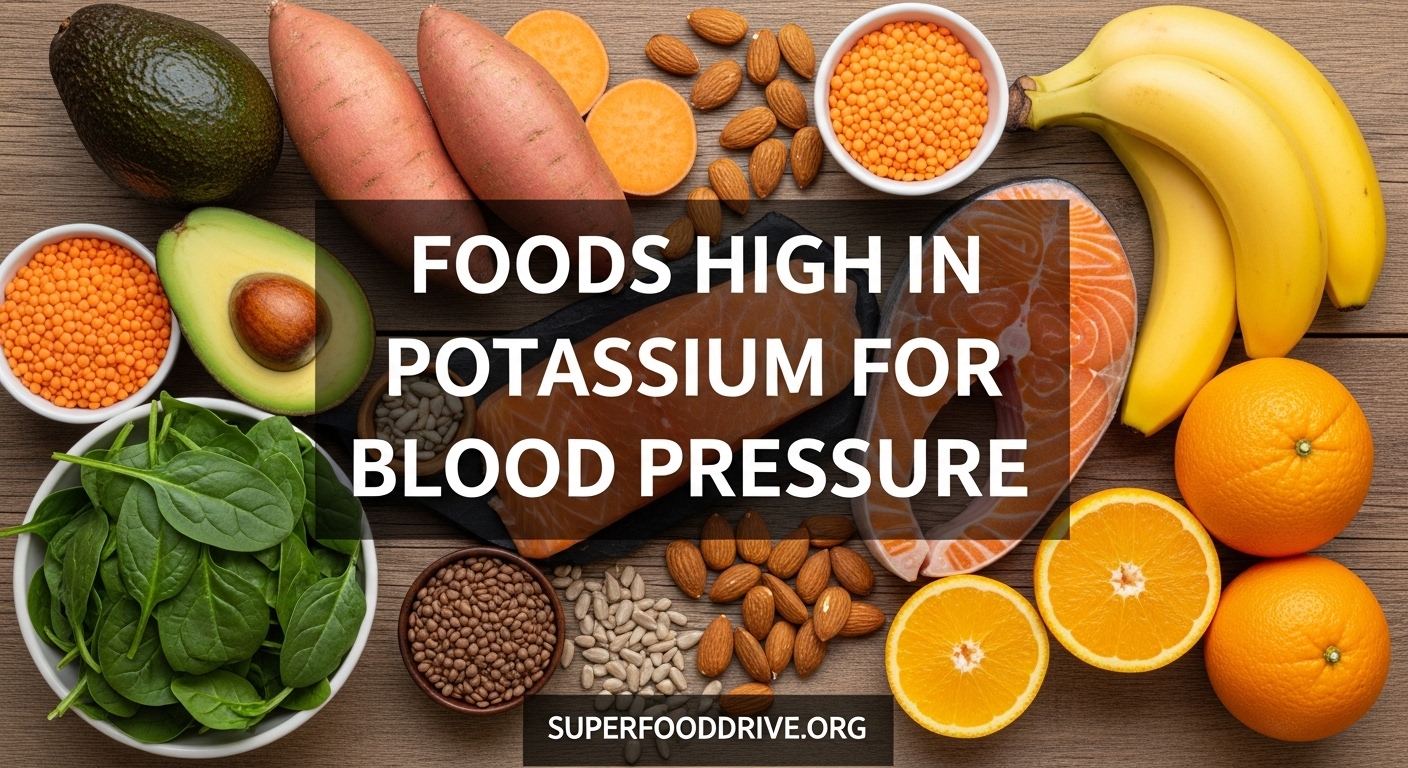
High blood pressure affects nearly 1 in 3 adults, yet many do not realize they have it. This is why hypertension is often called the “silent killer.” The good news is that foods high in potassium for blood pressure management offer a natural way to fight back. Potassium works by helping your body flush out excess sodium, which is one of the main culprits behind elevated blood pressure readings.
I have spent years researching how simple dietary changes can transform cardiovascular health. Most Americans only consume about half the recommended daily potassium. Yet getting enough of this essential mineral could lower your systolic blood pressure by 4 to 6 points. That may sound small, but even a 5-point reduction decreases your stroke risk by 14%.
In this guide, I will show you exactly which foods pack the most potassium punch, how much you need daily, and practical tips to incorporate them into your meals. Whether you are managing existing hypertension or want to prevent it, this list of potassium-rich foods will become your blood pressure management toolkit.
Table of Contents
How Potassium Helps Lower Blood Pressure
Potassium is an essential mineral and electrolyte that performs critical functions in your body. It works directly against sodium to maintain healthy blood pressure levels. While sodium causes your body to retain water and increases blood volume, potassium promotes the opposite effect.
Your kidneys play a central role in this process. They filter excess sodium from your blood and excrete it through urine. Potassium helps your kidneys work more efficiently at removing sodium. Research shows that people who consume more potassium excrete more sodium in their urine. This sodium-potassium balance is fundamental to healthy blood pressure regulation.
Potassium also relaxes blood vessel walls. When the smooth muscle in your arterial walls relaxes, blood vessels dilate. This dilation reduces resistance to blood flow, which naturally lowers blood pressure. The American Heart Association recommends adults consume 3,500 to 5,000 milligrams of potassium daily for optimal cardiovascular health.
Daily Potassium Requirements
Knowing your target helps you track progress. The FDA recommends 4,700 milligrams of potassium daily for adults. However, specific recommendations vary by gender and life stage.
Men should aim for approximately 3,400 milligrams per day. Women need around 2,600 milligrams daily. Pregnant women require slightly more at 2,900 milligrams, and breastfeeding women need about 2,800 milligrams.
Here is the problem: the average American consumes only 2,500 milligrams daily. This gap of over 2,000 milligrams explains why so many people struggle with blood pressure management. Closing this gap through food alone is achievable with the right choices.
Foods High in Potassium for Blood Pressure
Now for the information you came for. I have organized the highest potassium foods by category, with exact milligram amounts per serving. These foods form the foundation of a blood pressure-friendly diet.
Leafy Greens (The Potassium Champions)
Leafy greens top the charts for potassium content. They are also low in calories and packed with other nutrients.
Beet greens contain approximately 1,300 milligrams per cooked cup. That is over a quarter of your daily target in a single serving. Swiss chard delivers about 960 milligrams per cooked cup. Spinach provides 840 milligrams per cooked cup, though it drops to about 165 milligrams raw.
I recommend sautéing these greens with garlic and olive oil. The cooking process actually concentrates the potassium while making them more palatable. A large bunch of raw spinach cooks down to about one cup, delivering impressive nutrition in a small package.
Root Vegetables
Root vegetables offer substantial potassium alongside complex carbohydrates for energy. Sweet potatoes are standout performers with approximately 930 milligrams per medium potato. A white potato with skin contains even more at 940 milligrams per medium potato.
Carrots contribute about 400 milligrams per cooked cup. Parsnips provide around 575 milligrams per cup when cooked. These vegetables make excellent side dishes and can be roasted, mashed, or added to soups.
Keep the skin on whenever possible. Potato skins contain a significant portion of the potassium content. Roasting potatoes with herbs and a drizzle of olive oil preserves nutrients while creating a satisfying texture.
Fruits
Fruits make potassium intake enjoyable and convenient. Avocados lead the fruit category with approximately 975 milligrams per whole avocado. This creamy fruit also provides healthy monounsaturated fats that support heart health.
Bananas contain about 420 milligrams per medium fruit. While famous for potassium, they are not the highest source. Cantaloupe offers 430 milligrams per cup cubed. Dried apricots pack 750 milligrams per half cup.
Oranges provide 450 milligrams per medium fruit. Honeydew melon contains 400 milligrams per cup. Prunes offer about 635 milligrams per half cup, making them an excellent snack option.
Legumes and Beans
Beans and legumes combine potassium with fiber and plant-based protein. White beans are potassium powerhouses with approximately 1,000 milligrams per cooked cup. Lima beans follow closely at 975 milligrams per cup.
Lentils provide 730 milligrams per cooked cup. Edamame (young soybeans) contains 675 milligrams per cooked cup. Black beans offer 610 milligrams per cup, while kidney beans provide 580 milligrams.
Canned beans work in a pinch, but rinse them thoroughly to reduce sodium content. Dried beans cooked from scratch contain no added sodium and deliver pure potassium benefits. A bean chili or lentil soup makes an easy potassium-rich meal.
Fish and Proteins
Fatty fish provide potassium along with heart-healthy omega-3 fatty acids. Salmon contains approximately 490 milligrams per 6-ounce serving. Yellowfin tuna offers 450 milligrams per 6 ounces.
Chicken breast provides 420 milligrams per 6-ounce serving. Pork tenderloin contains about 480 milligrams per 6 ounces. These proteins fit perfectly into a DASH-style eating pattern.
Grill, bake, or poach fish to avoid adding sodium through breading or frying. A simple salmon fillet with lemon and herbs delivers potassium without excess sodium. Aim for two servings of fatty fish weekly for cardiovascular benefits.
Dairy Products
Dairy offers easily absorbable potassium along with calcium and protein. Plain yogurt contains about 580 milligrams per cup. Milk provides 350 milligrams per cup, whether whole, low-fat, or skim.
Cottage cheese offers 300 milligrams per half cup. Ricotta cheese contains 310 milligrams per half cup. Choose plain varieties over flavored options to avoid added sugars.
Greek yogurt makes an excellent breakfast base. Top it with sliced banana and a sprinkle of nuts for a potassium-packed start to your day. A smoothie with yogurt, spinach, and berries can deliver over 1,000 milligrams in one drink.
High Potassium Drinks
Beverages can significantly boost your daily potassium intake. Coconut water leads with approximately 450 milligrams per 10-ounce serving. It also provides electrolytes that support hydration.
Orange juice contains about 500 milligrams per cup. Tomato juice offers even more at 535 milligrams per cup. Pomegranate juice provides 530 milligrams per cup along with antioxidants.
Carrot juice packs 640 milligrams per cup. Prune juice delivers a substantial 707 milligrams per cup. These juices make convenient options when whole foods are not available.
Watch out for added sodium in vegetable juices. Choose low-sodium or no-salt-added versions. Limit juice portions to 8 ounces to avoid excess sugar while still gaining potassium benefits.
The DASH Diet Connection
The DASH diet represents one of the most effective eating patterns for blood pressure control. DASH stands for Dietary Approaches to Stop Hypertension. This eating plan emphasizes foods high in potassium for blood pressure management.
The DASH diet recommends 4 to 5 servings of fruit daily and 4 to 5 servings of vegetables. It also includes 2 to 3 servings of low-fat dairy. These recommendations align perfectly with potassium-rich food choices.
Studies show the DASH diet can lower systolic blood pressure by 8 to 14 points. These results rival some blood pressure medications. The diet works partly by dramatically increasing potassium intake while reducing sodium.
A typical DASH day might include oatmeal with banana for breakfast, a large salad with beans for lunch, grilled salmon with sweet potato for dinner, and yogurt with fruit as snacks. This pattern easily delivers 4,000-plus milligrams of potassium.
Cooking Tips to Preserve Potassium
How you prepare food affects its potassium content. Understanding these differences helps you maximize nutritional value.
Raw vegetables generally retain the most potassium. A raw spinach salad delivers more potassium per cup than cooked spinach, though you would need to eat more volume. Add raw leafy greens to smoothies for maximum retention.
When boiling vegetables, potassium leaches into the cooking water. Save this water for soups, stews, or cooking grains. Do not pour nutrients down the drain.
Steaming preserves more potassium than boiling. Microwave cooking also retains nutrients well because cooking times are shorter. Roasting concentrates flavors and preserves most potassium while creating appealing textures.
Soaking dried beans in water can remove some potassium, though the loss is minimal. Cook beans in their soaking liquid or fresh water and consume the cooking liquid in soups to retain nutrients.
Sample High-Potassium Meal Plan
Planning helps you reach potassium goals consistently. Here is a practical day that delivers over 4,000 milligrams.
Breakfast: Greek yogurt (580mg) topped with sliced banana (420mg) and a quarter cup of dried apricots (375mg). Total: 1,375 milligrams.
Lunch: Large salad with 2 cups raw spinach (330mg), half avocado (490mg), and white beans (500mg). Add carrot slices (400mg) and orange juice (500mg). Total: 2,220 milligrams.
Dinner: Baked salmon (490mg) with medium sweet potato (930mg) and steamed Swiss chard (960mg). Total: 2,380 milligrams.
Snacks: Small apple (200mg) and half cup cottage cheese (300mg). Total: 500 milligrams.
Daily total: 6,475 milligrams. This exceeds the FDA recommendation while providing balanced nutrition.
Important Cautions: Who Should Limit Potassium
While potassium benefits most people, certain conditions require caution. Kidney disease patients may need to limit potassium intake. Damaged kidneys cannot filter excess potassium effectively, leading to dangerous buildup.
People taking ACE inhibitors or ARBs for blood pressure should monitor potassium levels. These medications can increase potassium retention. Potassium-sparing diuretics like spironolactone also raise potassium levels.
Symptoms of too much potassium (hyperkalemia) include muscle weakness, numbness, tingling, and irregular heartbeat. Severe cases can cause cardiac arrest. If you take these medications or have kidney concerns, consult your healthcare provider before dramatically increasing potassium intake.
Your doctor may recommend blood tests to monitor potassium levels. Do not stop medications without medical guidance. The goal is balancing potassium intake with your specific health situation.
Signs of Low Potassium (Hypokalemia)
Insufficient potassium also causes problems. Hypokalemia occurs when blood potassium levels drop too low.
Early symptoms include muscle weakness, fatigue, and muscle cramps. You might notice twitching or spasms in your muscles. Constipation can occur as smooth muscle function declines.
More severe symptoms include irregular heartbeat (arrhythmia) and palpitations. Extremely low levels can cause paralysis and respiratory failure. These severe cases usually result from medical conditions or certain medications rather than diet alone.
If you experience persistent muscle weakness or heart palpitations, consult a healthcare provider. Blood tests can confirm potassium levels. Dietary changes or supplements may be recommended based on your specific situation.
Frequently Asked Questions
What foods have potassium to lower blood pressure?
The best potassium-rich foods for blood pressure include beet greens (1300mg per cup), white beans (1000mg per cup), avocados (975mg each), sweet potatoes (930mg), Swiss chard (960mg), spinach (840mg), bananas (420mg), yogurt (580mg per cup), and salmon (490mg per 6oz). These foods help flush excess sodium and relax blood vessel walls.
What drink is high in potassium?
Prune juice delivers the most potassium at 707mg per cup. Other excellent options include carrot juice (640mg), tomato juice (535mg), pomegranate juice (530mg), orange juice (500mg), and coconut water (450mg per 10oz). Choose low-sodium versions of vegetable juices when possible.
How long does it take for potassium to lower blood pressure?
Studies show blood pressure improvements within 2 to 4 weeks of increasing potassium intake. A sustained intake of 3500-4700mg daily can lower systolic pressure by 4-6 points over one to three months. Combining potassium increase with sodium reduction produces faster and more significant results.
Can I take potassium supplements instead of eating potassium-rich foods?
Food sources are preferred over supplements. Foods provide fiber, vitamins, and other minerals that work synergistically. The FDA limits potassium supplements to 99mg per pill, far below the recommended daily intake. Additionally, supplements can cause digestive upset and do not offer the same cardiovascular benefits as whole foods. Focus on dietary sources first and consult your doctor about supplements.
Conclusion
Foods high in potassium for blood pressure management offer a natural, effective approach to cardiovascular health. By incorporating beet greens, beans, avocados, sweet potatoes, and other potassium-rich foods into your daily meals, you can work toward healthy blood pressure levels without relying solely on medication.
Start with small changes. Add spinach to your morning smoothie. Swap white rice for beans at dinner. Snack on yogurt with fruit instead of processed foods. These simple swaps add up to significant potassium gains over time.
Remember that food works better than supplements for delivering potassium’s benefits. The fiber, vitamins, and phytonutrients in whole foods work together to support heart health. If you have kidney disease or take certain medications, consult your healthcare provider before making major dietary changes. For everyone else, increasing potassium intake is one of the smartest moves you can make for long-term blood pressure control.