
Have you ever noticed how a hearty breakfast can shift your entire outlook on the day? After years of experimenting with different eating patterns, I have seen firsthand how certain foods that boost serotonin can transform not just energy levels, but overall emotional balance. This is not about quick fixes or magic bullets. It is about understanding how nutrition directly supports your brain chemistry.
In this guide, you will discover exactly which foods increase serotonin production naturally. We will explore the science behind tryptophan, the essential amino acid your body needs to build this crucial neurotransmitter. You will also learn practical strategies for combining foods to maximize absorption and mood benefits.
Whether you are dealing with occasional winter blues or simply want to support your mental health through nutrition, the information here is grounded in research and real-world application.
Table of Contents
What Is Serotonin and Why It Matters
Serotonin is a neurotransmitter, a chemical messenger that carries signals between nerve cells throughout your body. While most people associate it with mood regulation, this molecule actually influences everything from sleep quality and appetite to digestion and wound healing.
Here is something that surprised me when I first learned it: approximately 90 to 95 percent of your body’s serotonin is produced in your gut, not your brain. This discovery has completely changed how I think about the connection between what I eat and how I feel. Your gut microbiome, the collection of bacteria living in your digestive tract, plays a major role in this production process.
When serotonin levels are balanced, you tend to feel emotionally stable, calm, and focused. Sleep comes more easily. You handle stress better. On the flip side, chronically low serotonin has been linked to depression, anxiety disorders, sleep disturbances, and even impaired cognitive function.
The challenge is that your body cannot produce serotonin out of thin air. It needs specific building blocks, primarily an amino acid called tryptophan, which must come from your diet.
Understanding Tryptophan: The Serotonin Building Block
Tryptophan is an essential amino acid, meaning your body cannot manufacture it on its own. You must obtain it from food. Once consumed, tryptophan travels through your bloodstream to your brain, where it gets converted into 5-HTP and then into serotonin.
This conversion process is not automatic. Tryptophan competes with other amino acids for transport across the blood-brain barrier. This is why simply eating protein-rich foods is not always enough. The presence of carbohydrates actually helps clear competing amino acids from the blood, giving tryptophan better access to your brain.
Think of it like this: tryptophan is the raw material, but you need the right conditions to get it where it needs to go. This is why meal composition matters just as much as food choice.
Understanding this mechanism helps explain why some people feel mood improvements from dietary changes within days, while others take weeks to notice a difference. Consistency and proper food combinations are key.
Foods That Boost Serotonin: Your Complete Guide
Now let us get to the practical part. Which foods actually deliver the tryptophan your brain needs? I have organized these by category so you can easily incorporate them into your existing eating habits.
Animal-Based Tryptophan Sources
Eggs are arguably one of the most bioavailable sources of tryptophan. One large egg contains roughly 60 to 70 milligrams of this amino acid. More importantly, eggs provide complete protein, meaning they contain all nine essential amino acids in ratios your body can use efficiently. I eat eggs almost daily and notice a distinct difference in my morning focus when I skip them.
Turkey is the food most commonly associated with tryptophan, and for good reason. A 4-ounce serving delivers about 250 to 300 milligrams. The popular myth about Thanksgiving drowsiness is partially true, though the heavy carbohydrate load and large meal size play bigger roles than the turkey itself.
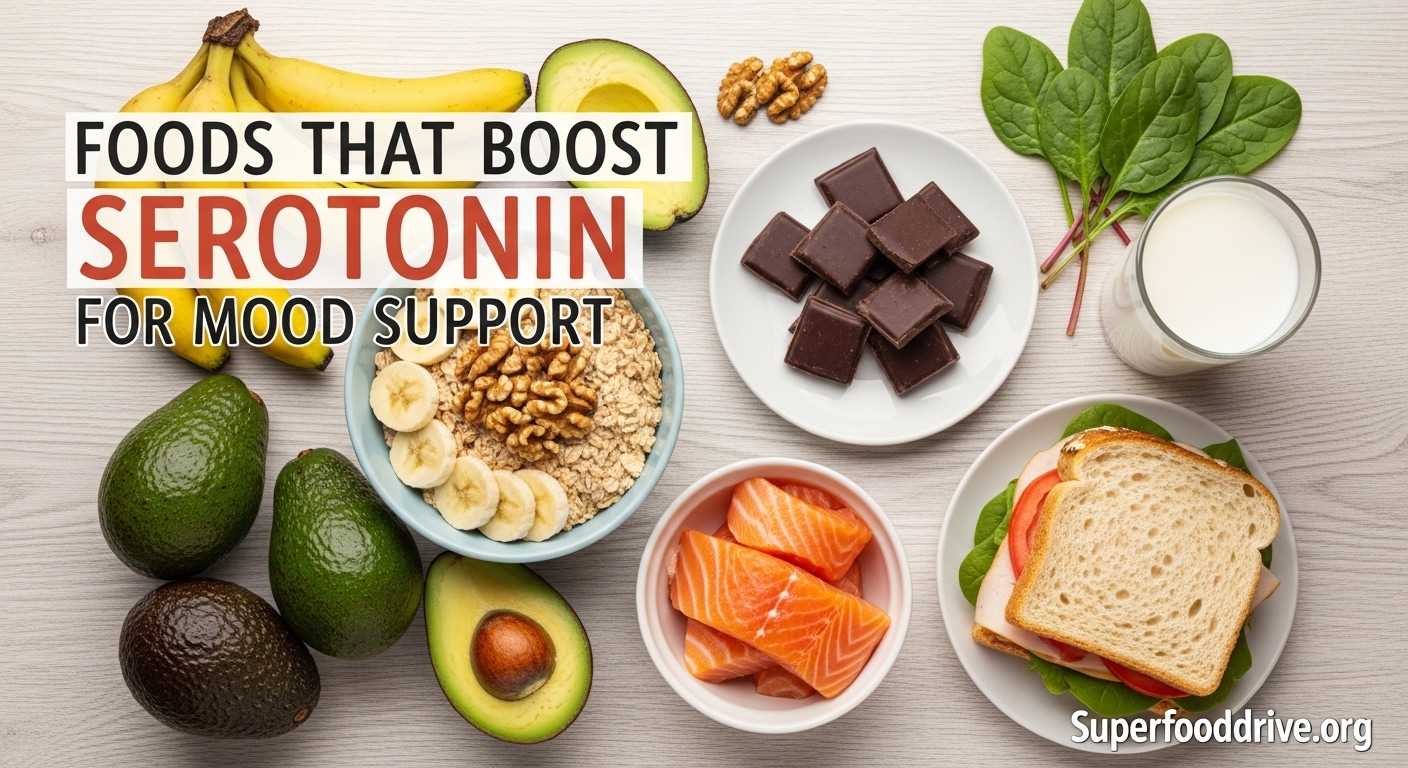
Salmon and other fatty fish offer a unique advantage. Beyond tryptophan, they are rich in omega-3 fatty acids, which support brain cell membrane health and may enhance serotonin receptor function. Wild-caught salmon tends to have higher nutrient density than farmed varieties.
Chicken and poultry provide similar benefits to turkey, with slightly lower tryptophan concentrations but excellent protein quality. A standard chicken breast contains roughly 250 milligrams per 4-ounce serving.
Dairy products like milk, cheese, and yogurt contribute modest amounts of tryptophan while offering other mood-supporting nutrients like vitamin D and calcium. Cottage cheese and Greek yogurt are particularly good options due to their higher protein content.
Plant-Based Tryptophan Superfoods
Pumpkin seeds are one of the best plant-based sources, delivering about 160 milligrams per ounce. They are also rich in zinc and magnesium, minerals that support overall neurological function. I keep a jar of roasted pumpkin seeds on my desk for afternoon snacking.
Soy products including tofu, tempeh, and edamame provide significant tryptophan along with complete protein. Tempeh, being fermented, offers the added benefit of supporting gut health and potentially enhancing serotonin production through the gut-brain axis.
Nuts and seeds beyond pumpkin seeds also contribute. Walnuts, cashews, and sunflower seeds all contain meaningful amounts of tryptophan. Walnuts have the added benefit of omega-3 fatty acids in plant form.
Legumes like lentils, chickpeas, and black beans offer tryptophan along with fiber that feeds beneficial gut bacteria. This dual action supports serotonin production both directly through the amino acid and indirectly through gut health.
Oats contain modest tryptophan but excel at supporting the carb-to-protein ratio needed for optimal absorption. A bowl of oatmeal with nuts makes an excellent serotonin-supporting breakfast.
Unexpected Mood Boosters: Dark Chocolate and Bananas
Dark chocolate contains small amounts of tryptophan, but its real power comes from compounds like phenylethylamine and theobromine that interact with mood pathways. The key is choosing chocolate with at least 70 percent cacao content and consuming it in moderation.
Bananas are frequently mentioned in forum discussions about natural mood boosters. While they contain only small amounts of tryptophan directly, they are rich in vitamin B6, which is essential for converting tryptophan into serotonin. One medium banana provides about 20 percent of your daily B6 needs.
How Carbohydrates Help Serotonin Absorption
Here is where many people get tripped up. You might eat plenty of protein but still not see mood benefits if you are not pairing it correctly. Carbohydrates trigger insulin release, which helps clear competing amino acids from your blood. This gives tryptophan a clearer path to your brain.
However, not all carbohydrates are equal for this purpose. Simple sugars cause rapid insulin spikes followed by crashes. Complex carbohydrates like whole grains, sweet potatoes, and legumes provide steadier insulin response and sustained tryptophan transport.
A practical strategy is the 3-to-1 ratio: three parts carbohydrate to one part protein at meals featuring tryptophan-rich foods. For example, salmon with quinoa and roasted vegetables, or eggs with whole grain toast and avocado.
Timing also matters. Many people find their mood dips in late afternoon or evening. A strategically planned snack combining protein and complex carbs around 3 PM can help maintain serotonin levels through the rest of the day.
The Gut-Brain Connection: Where Serotonin Originates
Let us circle back to that remarkable fact about gut serotonin production. Your digestive system contains something called the enteric nervous system, sometimes called the second brain. This network of neurons produces the vast majority of your body’s serotonin using gut cells.
The gut microbiome, your personal collection of beneficial bacteria, plays a crucial role here. These microbes help produce short-chain fatty acids that influence serotonin synthesis. They also help regulate inflammation, which can impact mood when elevated.
Fermented foods support this ecosystem. Sauerkraut, kimchi, kefir, and yogurt introduce beneficial bacteria while providing prebiotic fibers that feed existing good microbes. I try to include at least one fermented food daily, even if it is just a tablespoon of sauerkraut with lunch.
Fiber from fruits, vegetables, and whole grains acts as fuel for these beneficial bacteria. A diverse, fiber-rich diet creates the conditions for optimal gut serotonin production. This explains why dietary changes affecting gut health often precede noticeable mood improvements by a few weeks.
Signs You May Have Low Serotonin
Recognizing potential serotonin deficiency can help you decide whether dietary intervention makes sense as part of your approach. Common signs include persistent low mood that does not lift with positive events, difficulty falling or staying asleep despite feeling tired, and low energy that affects motivation for activities you normally enjoy.
Other indicators include increased carbohydrate cravings, particularly for sweets and starches. This is your brain’s attempt to trigger the insulin response that helps tryptophan cross the blood-brain barrier. Difficulty concentrating, irritability, and heightened sensitivity to pain can also signal low serotonin.
It is important to note that these symptoms have many possible causes. Thyroid disorders, vitamin deficiencies, chronic stress, and other medical conditions can produce similar effects. If symptoms persist for more than two weeks or significantly impact daily functioning, consult a healthcare provider.
Dietary approaches work best as part of a comprehensive strategy, not as a replacement for professional treatment when needed.
Other Natural Ways to Boost Serotonin
Food is powerful, but it works best alongside other lifestyle factors. Bright light exposure, particularly morning sunlight, stimulates serotonin production through separate pathways. Even 15 to 30 minutes of outdoor light within an hour of waking can make a measurable difference.
Exercise has well-documented effects on brain chemistry. Both aerobic activities and strength training increase tryptophan availability in the brain and support overall neurotransmitter balance. The key is consistency rather than intensity.
Quality sleep allows your brain to regulate serotonin cycles properly. Poor sleep disrupts these patterns and can create a downward spiral where low serotonin worsens sleep, which further depletes serotonin.
Stress management through meditation, deep breathing, or other relaxation techniques reduces cortisol, a hormone that can interfere with serotonin function. Even five minutes of deliberate breathing practice can shift your physiological state.
FAQ
What food gives you the most serotonin?
Foods do not contain serotonin directly, but turkey, eggs, and salmon are among the highest in tryptophan, the amino acid your body converts to serotonin. Pumpkin seeds are the best plant-based source.
How can I raise my serotonin levels quickly?
The fastest natural approach combines tryptophan-rich foods with complex carbohydrates in the same meal. Sunlight exposure and brief exercise can also provide more immediate mood enhancement.
How to tell if your serotonin is low?
Signs include persistent low mood, sleep disturbances, low energy, carbohydrate cravings, and difficulty concentrating. These symptoms overlap with other conditions, so consult a healthcare provider for proper evaluation.
Can food really boost serotonin levels?
Yes, but indirectly. Foods provide tryptophan, which your body converts into serotonin. The effect is gradual and works best with consistent dietary patterns combined with other healthy lifestyle factors.
Conclusion
Supporting your mood through nutrition is not about perfection. It is about consistency and understanding how the foods that boost serotonin work within your body’s systems. Start with simple additions: eggs for breakfast, pumpkin seeds as a snack, salmon for dinner a few times per week.
Remember the carbohydrate connection. Pair your protein sources with whole grains, vegetables, or legumes. Support your gut with fermented foods and fiber. Combine these dietary strategies with sunlight, movement, and adequate sleep.
The research is clear: what you eat directly influences your brain chemistry. Small, sustainable changes to your daily eating patterns can accumulate into meaningful improvements in how you feel and function.