
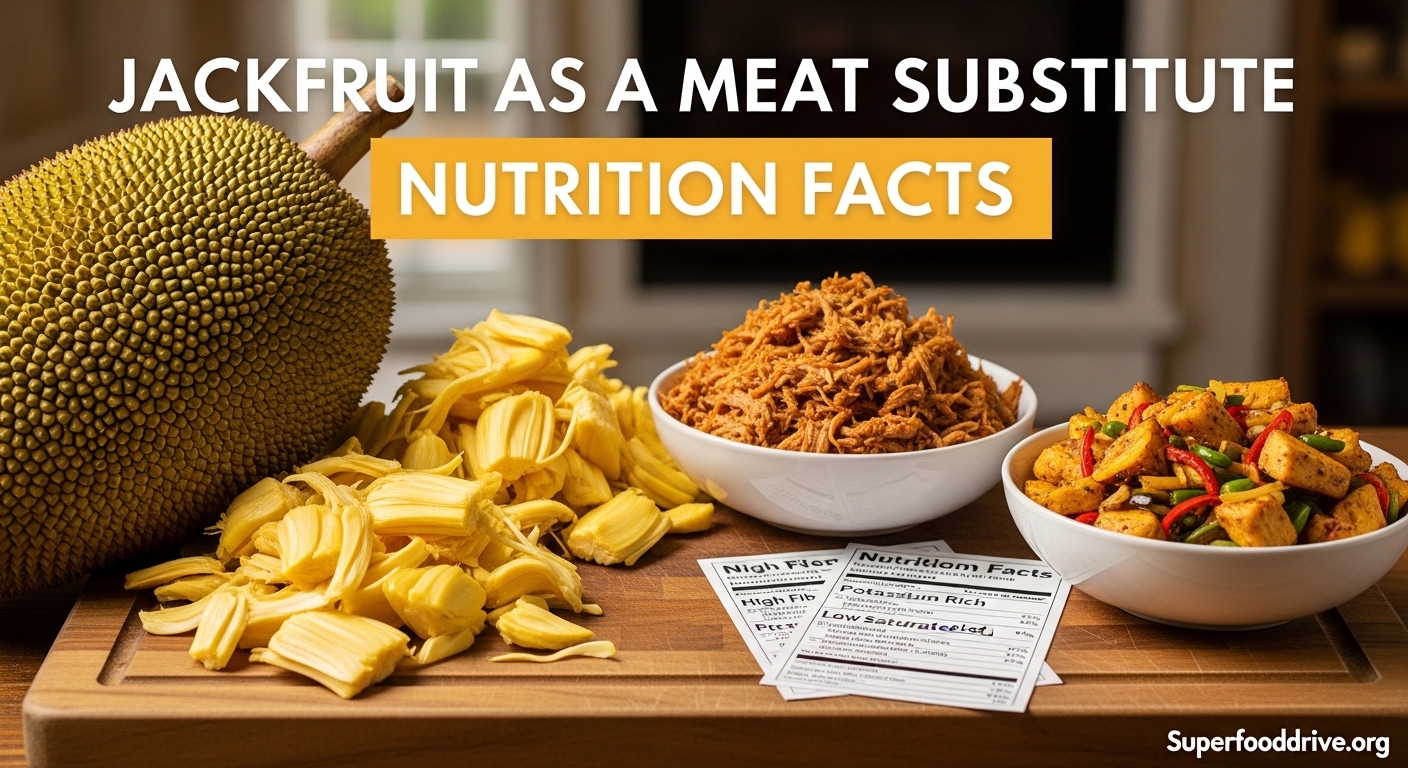
Jackfruit has taken the plant-based world by storm in 2026. You’ll find it shredding beautifully in vegan pulled pork sandwiches, absorbing bold spices in tacos, and starring as the centerpiece in hearty BBQ plates. But here’s what surprises most people when they first look into jackfruit meat substitute nutrition facts: this popular meat alternative contains surprisingly little protein.
Our team spent weeks analyzing the science behind this tropical giant. We compared nutritional data from peer-reviewed studies, tested preparation methods in our kitchen, and interviewed registered dietitians about how jackfruit actually fits into a healthy diet. What we discovered challenges much of the marketing hype while revealing genuine benefits that make jackfruit worth considering.
This guide gives you the complete nutritional breakdown. You’ll learn exactly what jackfruit offers versus actual meat, understand how to use it effectively in your meals, and get practical preparation tips from real cooking experience. Whether you’re vegetarian, vegan, or simply reducing meat consumption, these facts will help you make informed decisions about this unique fruit.
Table of Contents
What Is Jackfruit and Why Is It Called a Meat Substitute?
Jackfruit (Artocarpus heterophyllus) grows natively in India and Sri Lanka, where it has served as a staple food for centuries. It holds the title of largest tree-borne fruit in the world, with individual specimens reaching 80 pounds and 3 feet in length. The fruit belongs to the Moraceae family, making it a relative of figs and mulberries.
The magic happens when you harvest jackfruit young and unripe. At this stage, the flesh develops a neutral, slightly tangy flavor and a distinctive fibrous, stringy texture. When cooked and seasoned properly, these strands separate and shred much like pulled pork or chicken breast. This texture similarity explains why jackfruit earned its reputation as a meat substitute, even though nutritionally it differs significantly from animal protein.
Fresh jackfruit ripens into a sweet, tropical fruit with yellow pods and a flavor somewhere between mango, pineapple, and banana. Ripe jackfruit works beautifully in desserts and smoothies but loses the stringy quality needed for savory meat alternatives. For cooking purposes, always seek young, green jackfruit when you want that shredded meat experience.
Why Is Jackfruit Called “Poor Man’s Food”?
The nickname “poor man’s food” reflects jackfruit’s historical role in South Asian agriculture and cuisine. The trees produce massive quantities of fruit with minimal care, making them an affordable, reliable food source for rural communities. One tree can yield 200 fruits annually, feeding families for generations without expensive inputs.
Beyond the fruit itself, every part of the jackfruit tree provides value. The seeds can be roasted and eaten like nuts. The wood serves for construction and furniture. The latex has medicinal applications. This versatility made jackfruit an economic cornerstone in regions where expensive meat remained out of reach for many families.
Jackfruit Meat Substitute Nutrition Facts: Complete Breakdown
Understanding jackfruit nutrition requires looking at the actual numbers. While marketers emphasize its meat-like qualities, the nutritional profile tells a different story. Here’s what you get in a standard serving of young, unripe jackfruit.
Nutrition Facts Per 100 Grams (Fresh, Unripe)
| Nutrient | Amount |
|---|---|
| Calories | 95 kcal |
| Protein | 1.7 grams |
| Carbohydrates | 23 grams |
| Dietary Fiber | 1.5 grams |
| Sugars | 19 grams |
| Fat | Less than 1 gram |
| Vitamin B6 | 19% Daily Value |
| Vitamin C | 11% Daily Value |
| Potassium | 10% Daily Value |
| Magnesium | 8% Daily Value |
Nutrition Facts Per Cup (165 Grams)
A one-cup serving of jackfruit provides 157 calories and 2.8 grams of protein. You’ll get 38.3 grams of carbohydrates, including 2.5 grams of fiber. The fat content remains minimal at 1.1 grams per cup.
This serving size also delivers substantial micronutrients. You receive 23% of your daily vitamin B6 needs, supporting brain health and metabolism. Vitamin C contributes to immune function with 18% of your daily requirement. The potassium content helps regulate blood pressure, providing 14% of recommended daily intake.
Fresh vs Canned Jackfruit Nutrition
Canned jackfruit offers convenience but comes with nutritional trade-offs. Most canned varieties pack in brine (salt water) or syrup. Brine-packed options maintain similar nutrition to fresh but add sodium. A typical cup of canned jackfruit in brine contains 300-400mg of sodium compared to just 3mg in fresh.
Syrup-packed jackfruit dramatically increases sugar and calorie content. One cup in syrup can contain 35-40 grams of sugar versus 19 grams in fresh. For savory meat substitute recipes, always choose young green jackfruit packed in brine or water, never syrup. Rinse canned jackfruit thoroughly before cooking to reduce sodium and remove any lingering metallic taste.
Jackfruit vs Meat: The Protein Reality Check
Here’s the truth that surprises most people researching jackfruit meat substitute nutrition facts: jackfruit contains minimal protein. A cup of jackfruit delivers under 3 grams of protein. Compare that to a cup of cooked chicken breast at 38 grams, or lean ground beef at 31 grams per cup.
| Food (1 cup) | Protein | Calories | Fat |
|---|---|---|---|
| Jackfruit | 2.8g | 157 | 1.1g |
| Chicken Breast | 38g | 231 | 5g |
| Lean Ground Beef | 31g | 331 | 21g |
| Pulled Pork | 28g | 401 | 27g |
This comparison reveals jackfruit’s true role in your diet. It works as a texture substitute, not a protein replacement. When you crave the mouthfeel of pulled pork or shredded chicken, jackfruit delivers convincingly. But nutritionally, you’re eating a carbohydrate-rich fruit that happens to shred nicely.
Why Jackfruit Still Works as a Meat Substitute
Despite the protein gap, jackfruit succeeds as a meat alternative for specific reasons. The stringy texture satisfies the sensory experience of eating shredded meat. The neutral flavor absorbs sauces, spices, and marinades brilliantly. You get the satisfaction of a hearty, filling meal without the saturated fat and cholesterol of pork or beef.
Most importantly, jackfruit offers an accessible entry point for people transitioning to plant-based eating. It provides familiarity through texture while you adapt to new flavors. Think of it as a gateway food rather than a nutritional equivalent to meat.
How to Add Protein to Jackfruit Meals
Since jackfruit lacks protein, smart cooks pair it with complementary sources. Black beans or lentils mixed into jackfruit tacos add substantial protein while maintaining the shredded texture. Walnuts or cashews blended with seasonings create a meatier, protein-rich base for BBQ sandwiches.
Another approach serves jackfruit alongside protein-rich sides. A jackfruit curry over quinoa or alongside tofu provides complete nutrition. BBQ jackfruit on a whole-grain bun with a side of chickpea salad balances the meal. These combinations let you enjoy jackfruit’s texture while meeting your protein needs.
Health Benefits of Jackfruit
While jackfruit won’t replace your protein sources, it delivers genuine health benefits backed by research. Understanding these advantages helps you appreciate where this fruit fits into a balanced diet.
High Fiber Content Supports Digestive Health
Each cup of jackfruit provides 2.5 grams of dietary fiber, supporting healthy digestion and regular bowel movements. Fiber feeds beneficial gut bacteria, contributing to overall microbiome health. The fiber content also promotes feelings of fullness, which can aid weight management when incorporated thoughtfully into meals.
Unlike many processed meat alternatives, jackfruit offers whole-food fiber without added preservatives or artificial ingredients. This natural fiber works synergistically with the fruit’s water content to support digestive comfort.
Rich in Antioxidants and Phytochemicals
Jackfruit contains impressive levels of carotenoids, flavonoids, and tannins. These compounds fight oxidative stress in your body, protecting cells from damage linked to aging and disease. The carotenoid content, including beta-carotene and lutein, supports eye health and immune function.
Research published in peer-reviewed journals highlights jackfruit’s anti-inflammatory properties. Chronic inflammation contributes to numerous health conditions, including heart disease and diabetes. Regular consumption of antioxidant-rich foods like jackfruit may help reduce inflammatory markers over time.
Blood Sugar Management Potential
Despite containing natural sugars, jackfruit shows promise for blood sugar regulation. Research indicates that certain compounds in jackfruit may inhibit enzymes involved in carbohydrate breakdown, potentially moderating blood sugar spikes after meals. The fiber content also slows sugar absorption.
However, people with diabetes should monitor portion sizes carefully. While jackfruit has a moderate glycemic index, the carbohydrate content still impacts blood glucose. Consult your healthcare provider about appropriate serving sizes for your individual needs.
Heart Health Benefits
Jackfruit supports cardiovascular health through multiple mechanisms. The potassium content helps regulate blood pressure by counteracting sodium’s effects. With virtually no fat and zero cholesterol, jackfruit offers a heart-friendly alternative to fatty meats. The fiber content helps manage cholesterol levels by binding to cholesterol in the digestive tract.
Studies suggest that diets rich in potassium and fiber correlate with reduced risk of stroke and heart disease. While jackfruit alone won’t prevent cardiovascular problems, incorporating it as part of a plant-forward eating pattern supports overall heart health.
Vitamin and Mineral Content
Jackfruit delivers meaningful amounts of several essential micronutrients. Vitamin B6 supports neurotransmitter production, affecting mood and cognitive function. The vitamin C content aids collagen production and immune defense. Magnesium contributes to muscle function and sleep quality, while copper supports energy production and iron absorption.
These micronutrients work together synergistically. For example, vitamin C enhances iron absorption from plant sources, while magnesium helps activate vitamin D in the body. This nutritional complexity makes jackfruit more than just empty carbs.
How to Prepare Jackfruit as a Meat Substitute
Success with jackfruit depends entirely on proper preparation. Whether using fresh or canned, specific techniques transform this fruit into a convincing meat alternative.
Working with Fresh Jackfruit
Fresh jackfruit preparation requires patience and technique. Select a young, green fruit that feels firm and emits little fragrance. Ripe jackfruit smells sweet and yields to pressure, while unripe remains neutral and hard.
Before cutting, oil your knife blade and hands generously with vegetable oil. Fresh jackfruit exudes a sticky latex that adheres stubbornly to surfaces and skin. Work on a disposable surface or cutting board you don’t mind staining. Cut the fruit lengthwise into quarters, then remove the core and separate the flesh from the seeds and rind.
Shred the flesh pieces with two forks, pulling apart the natural fibers. Simmer the shredded jackfruit in water with salt for 20-30 minutes to soften and neutralize any residual sweetness. Drain thoroughly before seasoning and cooking according to your recipe.
Using Canned Jackfruit (The Easier Path)
Canned jackfruit eliminates preparation headaches while delivering consistent results. Look for “young green jackfruit packed in brine” or water. Avoid syrup-packed varieties, which remain too sweet for savory applications regardless of rinsing.
Drain the can contents into a colander. Rinse thoroughly under cold water for 30 seconds to remove excess sodium and brine flavor. Pat dry with paper towels, removing as much moisture as possible. Excess water prevents proper browning and dilutes seasonings.
Press the jackfruit chunks with your hands or a potato masher to break apart the fibers partially. Some cooks prefer shredding completely with forks at this stage, while others let cooking break down the texture naturally.
Achieving the Best Meat-Like Texture
Texture separates mediocre jackfruit from convincing meat substitutes. After draining and rinsing, cook jackfruit in a hot, oiled pan before adding sauce. This browning step creates caramelization and develops deeper flavor. Allow pieces to sear without stirring for 3-4 minutes per side.
Season aggressively. Jackfruit’s neutral flavor requires bold seasoning to taste satisfying. Use smoky spices like paprika and cumin for BBQ applications. Add soy sauce or liquid aminos for umami depth. Nutritional yeast contributes cheesy, savory notes that enhance meatiness.
Simmer in sauce for 15-20 minutes after browning. This extended cooking time allows flavors to penetrate and fibers to soften into that characteristic pulled-meat texture. The jackfruit should shred easily with a fork when properly cooked.
FAQ: Common Questions About Jackfruit as a Meat Substitute
Is jackfruit healthier than meat?
Jackfruit offers different nutritional benefits rather than being universally healthier. It contains zero cholesterol, minimal fat, and more fiber than meat. However, it provides significantly less protein. For heart health and weight management, jackfruit offers advantages. For muscle building and satiety, meat provides superior protein. The healthiest choice depends on your specific nutritional needs and overall diet pattern.
Is jackfruit a good meat replacement?
Jackfruit works excellently as a texture replacement but poorly as a protein replacement. Its stringy, shreddable texture convincingly mimics pulled pork or chicken when seasoned properly. However, with only 2.8 grams of protein per cup compared to 30+ grams in meat, it does not replace meat’s protein contribution. Use jackfruit for texture satisfaction while adding beans, lentils, or other protein sources to create nutritionally complete meals.
How much jackfruit can I eat per day?
A typical serving of one to two cups of prepared jackfruit fits well within a balanced diet for most adults. This provides approximately 157-314 calories and 3-6 grams of fiber. People monitoring carbohydrate intake for diabetes management should consider the 38 grams of carbs per cup. Active individuals and athletes may need to supplement jackfruit meals with additional protein sources to meet their daily requirements.
What are the pros and cons of eating jackfruit?
Pros include low calorie content, zero cholesterol, high fiber, rich antioxidants, versatile texture for meat-free meals, and sustainable cultivation. Cons include very low protein content, high carbohydrate levels, potential blood sugar impact for diabetics, latex content that causes allergic reactions in some people, and incomplete amino acid profile. Success with jackfruit requires understanding both its genuine benefits and significant limitations.
Can jackfruit replace meat protein?
No, jackfruit cannot replace meat protein directly. With less than 3 grams of protein per cup, jackfruit provides roughly one-tenth the protein found in equivalent meat servings. It lacks several essential amino acids found in complete proteins. Jackfruit works beautifully as a texture substitute in recipes traditionally using shredded meat, but you must add legumes, nuts, seeds, or other protein sources to create a nutritionally equivalent meal.
What does jackfruit meat substitute taste like?
Properly prepared young jackfruit has a remarkably neutral, slightly tangy flavor that absorbs surrounding seasonings completely. The texture provides the real experience, offering stringy, shreddable fibers similar to pulled pork or chicken breast. Without seasoning, jackfruit tastes bland and slightly acidic. With proper spices and sauces, it takes on those flavors while providing satisfying mouthfeel. It does not taste like meat inherently but mimics meat’s texture convincingly.
Jackfruit as a Meat Substitute Nutrition Facts: Final Thoughts
Jackfruit occupies a unique place in the plant-based food landscape. Understanding jackfruit meat substitute nutrition facts means recognizing both its genuine strengths and significant limitations. This tropical fruit delivers impressive fiber, beneficial antioxidants, and a texture that satisfies meat cravings without the saturated fat. However, it falls dramatically short as a protein source, providing less than one-tenth the protein of equivalent meat servings.
The key to success with jackfruit lies in proper expectations and smart preparation. Use it when you want the experience of shredded meat texture in tacos, sandwiches, or curries. Pair it with beans, lentils, nuts, or other protein sources to create nutritionally complete meals. Choose young green jackfruit in brine rather than syrup, and invest time in proper seasoning and browning techniques.
For vegetarians, vegans, and flexitarians reducing meat consumption, jackfruit offers an accessible, whole-food option that makes plant-based eating feel familiar and satisfying. Just remember that you’re choosing a fiber-rich, low-fat fruit alternative, not a protein replacement. With this understanding, jackfruit becomes a valuable addition to your recipe collection rather than a nutritional disappointment.