
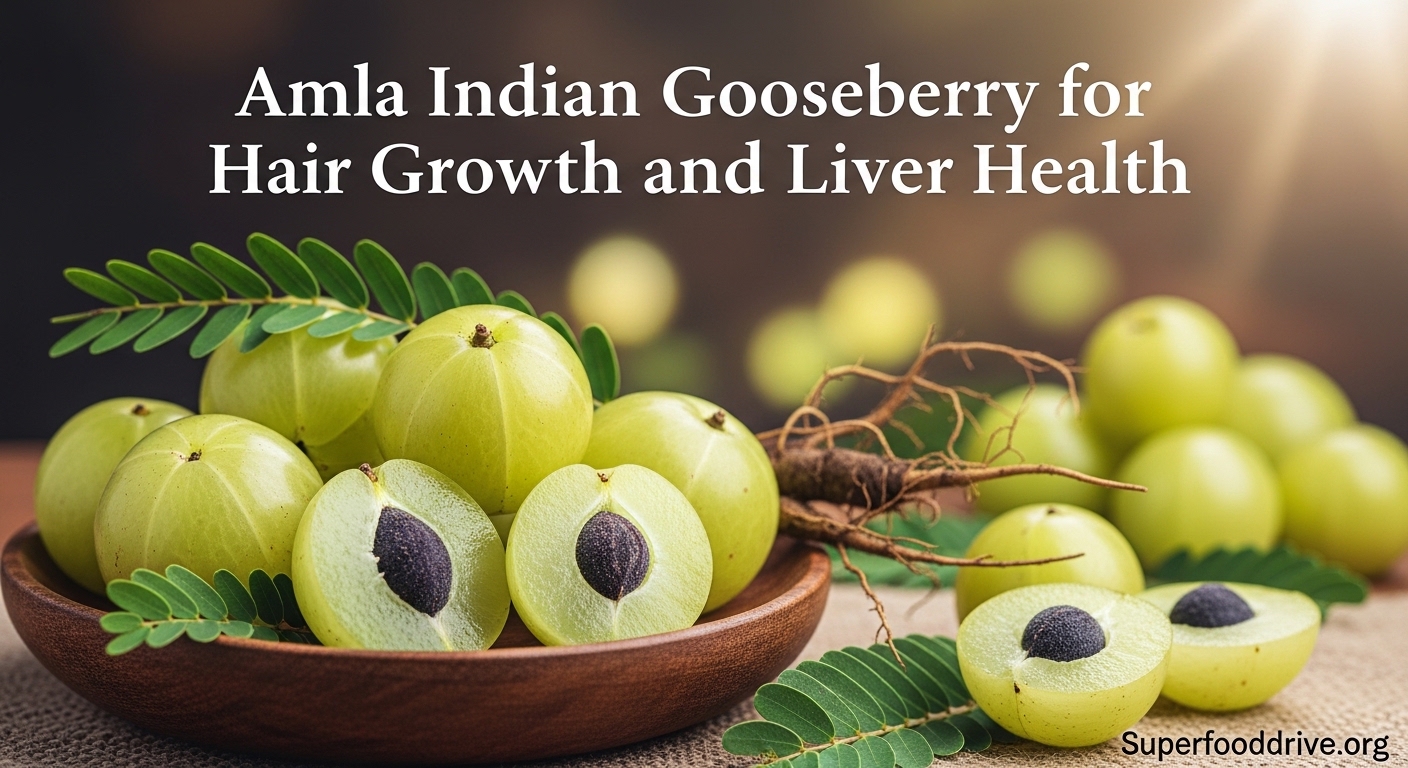
Imagine a single fruit containing more vitamin C than 20 oranges packed into one small, sour berry. That is amla, also known as Indian gooseberry, and it has been revered in Ayurvedic medicine for over 5,000 years. Our team has spent months researching the science behind this remarkable fruit, and what we found about its dual benefits for hair growth and liver health surprised even us.
Amla Indian gooseberry for hair growth and liver health is not just another wellness trend backed by ancient tradition. Modern research consistently validates what traditional healers have known for millennia. This tiny green fruit packs an extraordinary antioxidant punch that can help protect your liver from damage while simultaneously stimulating hair follicles from the inside out.
In this guide, we will explore exactly how amla works, what the research says, and how you can incorporate it into your daily routine for maximum benefits.
Table of Contents
What Is Amla Indian Gooseberry?
Amla, scientifically known as Phyllanthus emblica, is a deciduous tree that produces small, greenish-yellow fruits with a distinctive sour and astringent taste. Native to India and parts of Southeast Asia, this tree has been cultivated for centuries not just for its fruit but for its bark, leaves, and seeds which all possess medicinal properties.
The fruit itself is about the size of a large grape, with a fibrous texture and a flavor that many describe as intensely sour, bitter, and astringent all at once. Despite its challenging taste, amla has earned the title of “rasayana” in Ayurveda, meaning it promotes longevity, enhances digestion, and rejuvenates the body.
In traditional Indian medicine, amla is considered a tridoshic herb, meaning it balances all three doshas (vata, pitta, and kapha). This makes it suitable for nearly everyone regardless of their constitution. The fruit has been used historically to treat everything from digestive issues to respiratory problems, but its effects on hair and liver health are particularly well-documented in both ancient texts and modern studies.
The Nutritional Powerhouse: Why Amla Stands Out
Amla contains approximately 600 to 700 milligrams of vitamin C per fruit, making it one of the richest natural sources of ascorbic acid on the planet. To put this in perspective, that is roughly 20 times the vitamin C content of an equivalent serving of lemons or oranges. But vitamin C is just the beginning.
The fruit is loaded with powerful phytochemicals including polyphenols, ellagic acid, gallic acid, quercetin, corilagin, and furosin. These compounds work synergistically to provide amla with its remarkable antioxidant capacity. A Harvard study analyzing over 3,100 foods ranked amla number one in antioxidant content, surpassing even acclaimed superfoods like blueberries and acai berries.
Beyond antioxidants, amla provides chromium, which supports carbohydrate metabolism, along with significant amounts of fiber for digestive health. The combination of these nutrients creates a foundation for the numerous health benefits that research continues to validate.
Amla Indian Gooseberry for Liver Health: The Science Explained
Yes, amla can help repair and protect the liver through multiple mechanisms. The liver is your body’s primary detoxification organ, processing everything from alcohol and medications to environmental toxins. When oxidative stress overwhelms the liver, fatty deposits can accumulate, enzymes can become elevated, and overall function declines.
How Amla Protects Liver Cells
Amla’s hepatoprotective effects stem primarily from its ability to combat oxidative stress. The high concentration of vitamin C and polyphenols neutralizes free radicals before they can damage liver cells. This is particularly important because the liver is constantly exposed to toxins that generate reactive oxygen species.
Research published in peer-reviewed journals has demonstrated that amla extract can significantly reduce elevated liver enzymes in animal studies, suggesting protection against liver damage. The fruit appears to enhance the liver’s natural antioxidant defense system by boosting levels of glutathione, one of the body’s most important internal antioxidants.
Amla for Fatty Liver Disease
Non-alcoholic fatty liver disease (NAFLD) affects approximately 25% of the global population, making it the most common liver disorder worldwide. The condition occurs when excess fat accumulates in liver cells, potentially progressing to inflammation, fibrosis, and even cirrhosis if left unchecked.
Amla shows promise for supporting fatty liver health through several pathways. First, its antioxidant compounds help reduce the oxidative stress that drives liver inflammation. Second, amla may improve lipid metabolism, helping the body process fats more efficiently and preventing their accumulation in liver tissue. Third, the fruit supports healthy blood sugar levels, which is crucial since insulin resistance is a major contributor to fatty liver development.
While more human clinical trials are needed, preliminary research and traditional use suggest that regular amla consumption can be a valuable component of a liver-supportive lifestyle.
Supporting Natural Detoxification
Your liver performs over 500 different functions, with detoxification being among the most critical. Amla supports this process by providing the nutrients needed for phase I and phase II detoxification pathways. The vitamin C content is particularly important here, as it is required for the synthesis of compounds that neutralize toxins.
Additionally, amla promotes healthy bile flow. Bile is essential for breaking down fats and eliminating waste products from the body. By supporting bile production and flow, amla helps ensure that toxins are efficiently packaged and removed from the system rather than recirculating.
Amla Indian Gooseberry for Hair Growth: How It Works
Amla supports hair growth through multiple interconnected mechanisms that address both the internal environment and external application. Whether you are dealing with thinning hair, excessive shedding, or simply want to improve hair quality, understanding how amla works can help you use it effectively.
The DHT Connection
Yes, amla does appear to block DHT, the hormone primarily responsible for pattern hair loss in both men and women. Dihydrotestosterone (DHT) is a derivative of testosterone that binds to hair follicles, causing them to miniaturize over time. This process shortens the hair growth phase and produces progressively thinner, shorter hairs until follicles stop producing hair altogether.
Amla contains compounds that may inhibit the enzyme 5-alpha reductase, which converts testosterone to DHT. By reducing DHT levels at the scalp, amla helps protect hair follicles from this miniaturization process. This mechanism is similar to how prescription hair loss medications work, though amla offers a gentler, natural approach without the same risk of side effects.
Collagen Production and Hair Structure
Hair is primarily composed of keratin, a protein that requires adequate collagen for optimal production. Vitamin C is essential for collagen synthesis, acting as a cofactor for the enzymes that build collagen fibers. Without sufficient vitamin C, hair can become weak, brittle, and prone to breakage.
The extraordinary vitamin C content in amla directly supports collagen production throughout the body, including the scalp and hair follicles. This strengthens the hair shaft, improves elasticity, and creates the foundation for healthy hair growth. Users often report that their hair feels thicker and more resilient after incorporating amla into their routine.
How Long Until You See Results?
This is the question everyone asks, and the honest answer is that results take time. Based on available research and user reports, most people begin noticing improvements in hair quality within 4 to 8 weeks of consistent use. However, visible changes in hair growth and density typically require 3 to 6 months.
Hair grows slowly, about half an inch per month on average, so patience is essential. The key is consistency. Amla works by gradually improving the health of hair follicles and the scalp environment, not by producing overnight miracles. Those who stick with it for several months typically report the most satisfying results.
Topical vs Internal Use for Hair
Both approaches offer benefits. Consuming amla internally provides systemic support, ensuring that nutrients reach hair follicles through the bloodstream. This supports the hair growth cycle from the inside out. Topical application of amla oil delivers concentrated benefits directly to the scalp, improving circulation and providing localized antioxidant protection.
For best results, consider combining both methods. Drink amla juice or take powder daily for internal support, while massaging amla oil into the scalp 2 to 3 times per week. This two-pronged approach addresses hair health from multiple angles.
Beyond Hair and Liver: Other Remarkable Health Benefits
While hair growth and liver health are the focus of this guide, amla offers a wide range of additional health benefits that make it a true superfood worth incorporating into your daily routine.
Heart Health Support
Amla has been shown to reduce several risk factors for cardiovascular disease. Studies indicate it can lower LDL (bad) cholesterol while increasing HDL (good) cholesterol. The fruit also helps reduce triglycerides and may support healthy blood pressure through its antioxidant and anti-inflammatory effects.
The chromium content in amla supports healthy blood sugar metabolism, which is important for heart health since elevated blood sugar can damage blood vessels over time. By supporting multiple aspects of cardiovascular function, amla offers comprehensive heart protection.
Blood Sugar Management
Research suggests that amla may help regulate blood glucose levels, making it potentially beneficial for people with diabetes or prediabetes. The polyphenols in amla appear to improve insulin sensitivity and slow carbohydrate absorption, preventing blood sugar spikes after meals.
One study found that amla extract produced effects comparable to some diabetes medications in animal models, though human research is still developing. As always, people with diabetes should consult their healthcare provider before adding amla to their regimen.
Digestive Health and Regularity
Amla has been used traditionally as a digestive tonic, and modern research supports this application. The high fiber content promotes regular bowel movements, while the tannins in the fruit help regulate digestive secretions. Amla is particularly valued for relieving constipation without causing dependency.
The fruit also supports the growth of beneficial gut bacteria, contributing to a healthy microbiome. A balanced gut microbiome is increasingly recognized as essential for overall health, influencing everything from immune function to mood regulation.
Immune System Enhancement
With its massive vitamin C content and array of antioxidant compounds, amla provides powerful immune support. Vitamin C is well-known for its role in immune function, supporting the production and activity of white blood cells that fight infection.
Regular amla consumption may help reduce the duration and severity of common colds and respiratory infections. The fruit also has antimicrobial properties that can help fight harmful bacteria and viruses directly.
Anti-Aging and Skin Health
The same antioxidants that protect your liver and support hair growth also benefit your skin. By neutralizing free radicals, amla helps prevent the cellular damage that leads to premature aging. The vitamin C content supports collagen production in the skin, reducing wrinkles and improving elasticity.
Many people report clearer, more radiant skin after incorporating amla into their routine. The fruit’s detoxifying effects may also help reduce skin blemishes by supporting the liver’s ability to process toxins efficiently.
How to Use Amla Indian Gooseberry for Maximum Benefits
One of the most common concerns people have about amla is its taste. The fruit is undeniably sour and astringent, which can be challenging for some palates. However, there are several ways to consume amla that make it more palatable while preserving its benefits.
Fresh Amla Fruit
If you have access to fresh amla, eating one fruit daily is the most traditional approach. Many people sprinkle a little salt or honey on the fruit to offset the sourness. Chewing thoroughly releases the nutrients and allows for better absorption.
Fresh amla is most commonly available in Indian grocery stores and Asian markets, particularly during the harvest season from October to March. Look for firm, green fruits without blemishes or soft spots.
Amla Juice
Amla juice is one of the most popular ways to consume this superfood. You can juice fresh amla at home using a juicer, or purchase ready-made juice from health food stores. When consuming amla juice, dilute it with water to reduce the intensity of the flavor and protect tooth enamel from the acidity.
Try mixing amla juice with other healthy ingredients like carrot juice, beetroot juice, or a touch of honey to improve the taste. Some people find that taking it on an empty stomach in the morning maximizes absorption, though this can be harsh on sensitive digestive systems.
Amla Powder
Dried amla powder offers convenience and a longer shelf life than fresh fruit. You can mix the powder into smoothies, yogurt, or water. Some people encapsulate the powder to avoid the taste entirely.
A typical dosage is 1 to 3 grams of powder daily, though some traditional protocols use higher amounts for therapeutic purposes. Start with a smaller amount and gradually increase as your body adapts.
Amla Oil for Hair
For hair-specific benefits, amla oil can be applied directly to the scalp and hair. Warm the oil slightly and massage it into the scalp using circular motions to improve circulation. Leave it on for at least 30 minutes, or overnight for deeper conditioning, before washing out with a gentle shampoo.
Many commercial hair oils contain amla combined with other beneficial ingredients like coconut oil or Brahmi. You can also make your own by infusing dried amla powder into a carrier oil like coconut or sesame oil.
Recommended Dosage Guidelines
For general health maintenance, 1 to 2 fresh amla fruits daily, 10 to 20 milliliters of juice, or 1 to 3 grams of powder is typically sufficient. For specific therapeutic purposes like supporting liver health or addressing hair loss, higher doses may be used under the guidance of a healthcare practitioner.
Consistency matters more than quantity. Taking a moderate amount daily for several months will yield better results than sporadic high doses.
Side Effects and Precautions: What You Need to Know
While amla is generally safe for most people, there are some considerations to keep in mind. Understanding potential side effects and interactions helps ensure you can use this superfood safely and effectively.
Common Side Effects
The most frequently reported side effect is digestive upset, particularly when taking amla on an empty stomach or in large amounts. Some people experience acidity, heartburn, or loose stools when first starting amla supplementation. These effects typically resolve as the body adjusts.
The high acidity of amla juice can potentially affect tooth enamel over time. Drinking through a straw and rinsing your mouth with water afterward can help minimize this risk.
Who Should Use Caution
People with bleeding disorders should use amla with caution, as the fruit may have mild blood-thinning properties. Those scheduled for surgery should discontinue amla use at least two weeks before their procedure.
Pregnant and breastfeeding women should consult their healthcare provider before using amla medicinally, though the fruit is commonly consumed as food in India without reported issues. People with hypoglycemia should monitor blood sugar levels closely when using amla, as it may lower glucose.
Drug Interactions
Amla may interact with blood-thinning medications, diabetes medications, and blood pressure medications. The fruit’s effects on blood sugar and pressure, while generally beneficial, could potentially amplify the effects of pharmaceutical drugs. Always consult your healthcare provider if you take prescription medications.
Tips for Safe Consumption
Start with a small amount and gradually increase to assess your tolerance. Take amla with food if you experience digestive sensitivity. Stay hydrated, as the fiber content can increase fluid needs. Purchase products from reputable sources to ensure quality and purity.
Frequently Asked Questions About Amla Indian Gooseberry
Does amla repair the liver?
Yes, amla can help repair and protect the liver through its potent antioxidant content. The high levels of vitamin C and polyphenols neutralize free radicals that damage liver cells, while also supporting the liver’s natural detoxification pathways. Studies have shown amla can reduce elevated liver enzymes and may help prevent fatty liver disease.
How long does it take amla to grow hair?
Most people begin noticing improvements in hair quality within 4 to 8 weeks of consistent amla use. However, visible changes in hair growth and density typically require 3 to 6 months. Hair grows slowly at about half an inch per month, so patience and consistency are essential for seeing meaningful results.
Does amla block DHT?
Yes, amla appears to block DHT (dihydrotestosterone), the hormone primarily responsible for pattern hair loss. Amla contains compounds that may inhibit the enzyme 5-alpha reductase, which converts testosterone to DHT. By reducing DHT levels at the scalp, amla helps protect hair follicles from miniaturization.
Can amla regrow lost hair?
Amla can support hair regrowth in cases where follicles are still alive but miniaturized. By blocking DHT, improving circulation, and providing nutrients for collagen production, amla creates conditions favorable for regrowth. However, it cannot revive completely dead follicles, so early intervention is important.
Is amla good for fatty liver?
Yes, amla shows promise for supporting fatty liver health. Its antioxidant compounds reduce oxidative stress that drives liver inflammation, while also improving lipid metabolism and supporting healthy blood sugar levels. These effects make amla a valuable component of a liver-supportive lifestyle.
What is the best way to consume amla for hair growth?
For hair growth, combine internal and topical use. Drink 10-20ml of amla juice or take 1-3 grams of powder daily for systemic support. Massage amla oil into your scalp 2-3 times weekly for localized benefits. This two-pronged approach addresses hair health from multiple angles for best results.
Amla Indian gooseberry for hair growth and liver health represents one of nature’s most impressive dual-purpose remedies. With its unmatched vitamin C content, powerful antioxidant profile, and extensive research support, this ancient fruit deserves a place in your modern wellness routine.
The evidence is clear: amla protects liver cells from oxidative damage while simultaneously creating the internal environment needed for healthy hair growth. Whether you are looking to support your liver after years of dietary indulgence or hoping to combat thinning hair, amla offers a safe, natural solution backed by thousands of years of traditional use and an increasing body of scientific validation.
Start with a form that fits your lifestyle, whether that is fresh fruit, juice, powder, or oil. Be consistent, be patient, and give this remarkable superfood the time it needs to work. Your liver and hair will thank you.