
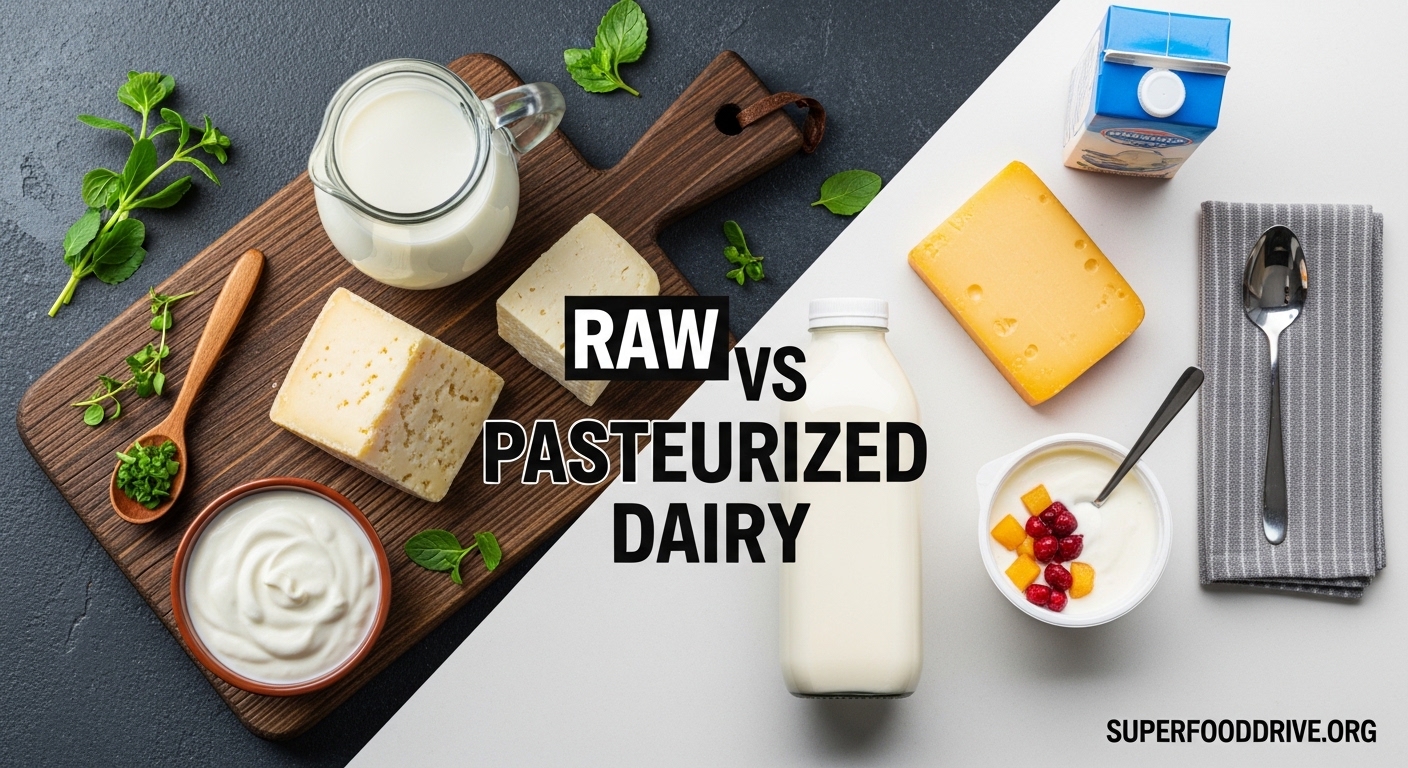
Raw vs pasteurized dairy remains one of the most debated topics in food safety circles today. I have spent years researching nutrition science and following the evolving conversation around milk processing methods. The conflicting claims can leave anyone feeling confused about what is actually safe to put on their table.
This guide cuts through the noise with evidence-based answers. You will learn exactly what distinguishes raw milk from pasteurized milk, the documented health risks of consuming unpasteurized dairy, and whether common nutritional claims hold up under scientific scrutiny.
Health agencies including the CDC, FDA, and American Academy of Pediatrics all strongly recommend pasteurization for good reason. The data tells a clear story about safety that every consumer should understand before making dairy choices.
Table of Contents
What Is Raw Milk and Pasteurized Milk?
Understanding the difference between these two types of milk starts with knowing what happens after the cow is milked.
Defining Raw Milk
Raw milk is milk that comes straight from the animal without any heat treatment. It has not undergone pasteurization to kill bacteria that might be present.
Proponents often obtain raw milk from local farms, believing it offers superior nutrition and taste. However, even milk from cows raised in pristine conditions can harbor dangerous pathogens that pose serious health risks.
Understanding Pasteurization
Pasteurization is a simple but highly effective process that heats milk to kill harmful bacteria. The method was developed by Louis Pasteur in the 1860s and has saved countless lives since its widespread adoption.
Most milk in the United States uses High-Temperature Short-Time (HTST) pasteurization. This process heats milk to 72 degrees Celsius (161 degrees Fahrenheit) for at least 15 seconds. Another method called Low-Temperature Long-Time (LTLT) heats milk to 63 degrees Celsius (145 degrees Fahrenheit) for 30 minutes.
Ultra-High Temperature (UHT) pasteurization heats milk to 138 degrees Celsius (280 degrees Fahrenheit) for 2 seconds. This creates shelf-stable milk that does not require refrigeration until opened, commonly found in Europe and increasingly available in American grocery stores.
The History That Explains Why We Pasteurize
Before pasteurization became standard practice, raw milk caused approximately 25 percent of all foodborne illness outbreaks in the United States. Tuberculosis, brucellosis, typhoid fever, and scarlet fever spread regularly through contaminated dairy products.
The implementation of mandatory pasteurization dropped milk-related outbreaks to less than 1 percent of total foodborne illnesses. This dramatic improvement in public health explains why pasteurization remains the law of the land for commercial milk sales.
Health Risks of Raw Milk: What the Science Shows
The scientific evidence against raw milk consumption is overwhelming and consistent across decades of research. Multiple peer-reviewed studies have documented the dangers in precise detail.
Pathogens Found in Raw Milk
Raw milk can harbor numerous disease-causing organisms that are invisible to the naked eye. Even healthy-appearing cows and meticulously clean farms cannot guarantee milk free from dangerous bacteria.
Research published in the journal Food Control found pathogenic bacteria in up to 33 percent of raw milk samples tested. The most common dangerous organisms include E. coli O157:H7, Salmonella, Listeria monocytogenes, Campylobacter jejuni, Brucella, Cryptosporidium, and Yersinia enterocolitica.
Each of these pathogens can cause severe illness with potentially life-threatening complications. The risk exists regardless of how well the farm maintains its facilities or how healthy the herd appears.
Real Outbreak Data
Between 2007 and 2012, public health officials documented 81 raw milk-associated outbreaks across 26 states. These outbreaks caused 979 illnesses and 73 hospitalizations.
The Centers for Disease Control and Prevention reports that raw milk is responsible for roughly 3 percent of all dairy-related outbreaks despite representing less than 1 percent of total milk consumption in the United States. This means raw milk causes disproportionate illness relative to its market share.
States that permit the sale of raw milk experience significantly higher rates of raw milk-associated outbreaks compared to states where sales are prohibited.
Serious Complications from Raw Milk Illness
Foodborne illness from raw milk goes beyond simple stomach upset. Some infections lead to devastating long-term health consequences.
E. coli O157:H7 infection can trigger hemolytic uremic syndrome (HUS), a condition that destroys red blood cells and damages kidneys. HUS is the leading cause of acute kidney failure in children and can require dialysis or kidney transplants.
Campylobacter infection has been linked to Guillain-Barré syndrome, an autoimmune disorder that causes paralysis as the immune system attacks the nervous system. Recovery takes months or years, and some patients never regain full function.
Listeria infection during pregnancy can cause miscarriage, stillbirth, or severe illness in newborns. The bacterium thrives in cold temperatures, making refrigeration ineffective protection.
Warning: Vulnerable Populations Face Higher Risk
Certain groups face dramatically elevated risk from raw milk consumption. Children under age 5 account for 59 percent of raw milk-associated outbreaks. Adults over 65, pregnant women, and anyone with weakened immune systems should strictly avoid raw milk. For these populations, the consequences of infection can be severe or fatal.
The H5N1 Virus Concern
Recent developments have added another layer of concern to raw milk safety. The H5N1 avian influenza virus has been detected in dairy cattle herds across multiple states.
The CDC has confirmed that pasteurization effectively inactivates the H5N1 virus in milk. However, raw milk from infected cows could potentially transmit the virus to humans. As of 2026, health officials continue monitoring this emerging risk.
Raw Milk Myths vs Facts: The Truth About Common Claims
Myths about raw milk have persisted despite decades of scientific evidence to the contrary. Let us examine the most common claims and what research actually shows.
Myth: Raw Milk Is More Nutritious
Fact: Raw milk is NOT more nutritious than pasteurized milk. Both raw and pasteurized milk contain the same 13 essential nutrients including high-quality protein, calcium, B vitamins, and vitamin D.
Pasteurization causes minimal nutrient loss. Studies show that levels of riboflavin, niacin, folate, and vitamins A, B12, and D remain unchanged. Some vitamin C and thiamine may decrease slightly, but milk is not a significant dietary source of these nutrients anyway.
The protein quality and calcium bioavailability remain identical between raw and pasteurized milk. Your body absorbs these crucial nutrients equally well from both types.
Myth: Raw Milk Cures Lactose Intolerance
Fact: Raw milk does not reduce lactose intolerance symptoms. A randomized controlled study published in the Annals of Family Medicine directly tested this claim by comparing raw milk, pasteurized milk, and soy milk in lactose-intolerant participants.
The study found no difference in breath hydrogen levels or symptom reports between raw and pasteurized milk. Both dairy milks caused identical levels of bloating, gas, and discomfort. Raw milk failed to reduce lactose malabsorption compared to pasteurized milk.
Lactose intolerance stems from the body is deficiency of lactase enzyme. Pasteurization temperatures do not affect lactose content. Only lactose-free milk or lactase enzyme supplements actually help lactose-intolerant individuals consume dairy comfortably.
Myth: Raw Milk Prevents Allergies and Asthma
Fact: Claims about allergy and asthma prevention come from flawed studies comparing farm environments to urban settings. The so-called farm effect relates to exposure to diverse microbes in barns and farm environments, not to raw milk consumption specifically.
Researchers have isolated the farm environment benefits from raw milk benefits. Children raised on farms show reduced allergy rates even when they drink only pasteurized milk. The protective factor appears to be the farm environment itself, not the raw milk.
Feeding raw milk to children actually increases their risk of serious foodborne illness without providing proven allergy protection. The potential benefits do not justify the documented dangers.
Myth: Raw Milk Contains Beneficial Probiotics
Fact: Raw milk is not a reliable source of probiotics. While raw milk may contain various bacteria, there is no guarantee these are beneficial strains.
Pathogens like E. coli, Salmonella, and Campylobacter often coexist with any beneficial bacteria present. Consuming raw milk for probiotics is like playing Russian roulette with your digestive system.
Fermented dairy products like yogurt, kefir, and aged cheeses provide safe, concentrated sources of probiotics without the pathogen risk. These products deliver documented health benefits through specific beneficial bacterial strains.
Myth: Raw Milk Is Safe If It Comes From Clean Farms
Fact: Even the cleanest, most well-managed dairy operations cannot guarantee pathogen-free raw milk. Healthy cows can harbor dangerous bacteria without showing any signs of illness.
Pathogens enter milk through multiple routes beyond obvious contamination. They can be present in the cow is udder tissue, transfer from manure during milking, or contaminate equipment despite rigorous cleaning protocols.
Studies testing raw milk from farms with excellent hygiene practices still find pathogenic bacteria in a significant percentage of samples. Visual inspection cannot detect microscopic threats.
Myth: Pasteurization Destroys All the Good Enzymes
Fact: While pasteurization does denature some enzymes, this has minimal nutritional impact. The lactoperoxidase system and some whey proteins are partially affected, but these are not essential nutrients.
Human digestion breaks down most proteins and enzymes anyway. The slight alteration of milk proteins during pasteurization does not affect their nutritional value or how your body processes them.
Any minor enzyme changes are vastly outweighed by the safety benefits of eliminating dangerous pathogens.
Nutritional Comparison: Are There Real Differences?
Many consumers wonder whether pasteurization meaningfully changes milk is nutritional profile. Let us examine the actual data side by side.
| Nutrient | Raw Milk | Pasteurized Milk | Difference |
|---|---|---|---|
| Protein | 8g per cup | 8g per cup | None |
| Calcium | 300mg per cup | 300mg per cup | None |
| Vitamin D | 124 IU per cup | 124 IU per cup | None |
| Vitamin B12 | 1.1 mcg per cup | 1.1 mcg per cup | None |
| Riboflavin | 0.45 mg per cup | 0.45 mg per cup | None |
| Vitamin C | 2.3 mg per cup | 1.9 mg per cup | Minimal |
| Thiamine | 0.10 mg per cup | 0.09 mg per cup | Minimal |
| Folate | 12 mcg per cup | 12 mcg per cup | None |
What About the 13 Essential Nutrients?
Milk contains 13 essential nutrients that support bone health, immune function, and overall wellness. Pasteurization preserves all of these nutrients effectively.
The essential nutrients include high-quality protein, calcium, potassium, phosphorus, vitamin D, vitamin A, vitamin B12, riboflavin, niacin, pantothenic acid, iodine, selenium, and zinc. All remain present in pasteurized milk at levels identical or nearly identical to raw milk.
Minor Nutrient Differences Explained
The only nutrients showing measurable decreases from pasteurization are vitamin C and thiamine. However, these reductions are minimal and nutritionally insignificant.
Milk is not an important dietary source of vitamin C. You would need to drink over 20 cups of milk to meet daily vitamin C requirements. Citrus fruits, berries, and vegetables provide this vitamin far more effectively.
Thiamine decreases by roughly 10 percent, but milk provides only a small fraction of daily thiamine needs anyway. Whole grains, legumes, and pork are superior thiamine sources.
The Bottom Line on Nutrition
Research consistently shows that pasteurization does not meaningfully alter milk is nutritional value. The protein quality, calcium bioavailability, and vitamin content remain intact.
Any theoretical nutritional advantage of raw milk is insignificant compared to the substantial safety risk. Pasteurized milk delivers identical nutrition without the danger of serious foodborne illness.
Safety Benefits of Pasteurization
Pasteurization represents one of the most successful public health interventions in modern history. Its benefits extend far beyond individual consumers to entire communities.
Dramatic Reduction in Foodborne Illness
Before widespread pasteurization, dairy products were a leading cause of foodborne disease outbreaks. Raw milk transmitted tuberculosis, brucellosis, diphtheria, scarlet fever, and Q fever regularly.
The implementation of mandatory pasteurization laws reduced milk-related outbreaks by over 96 percent. Today, pasteurized milk causes less than 1 percent of foodborne illness outbreaks despite representing more than 99 percent of milk consumed.
This safety record has held steady for decades. Pasteurization works reliably every time when properly applied.
Protection for Entire Communities
When individuals consume raw milk and become ill, they can spread pathogens to others through person-to-person contact. Secondary transmission extends outbreaks beyond the original consumers.
Children who drink raw milk at home can bring pathogens to schools and daycare centers. Family members can contaminate shared spaces and surfaces. Pasteurization breaks this chain of transmission by eliminating pathogens at the source.
The Grade A Pasteurized Milk Ordinance
The FDA and state health departments enforce strict standards for pasteurized milk production through the Grade A Pasteurized Milk Ordinance (PMO). This comprehensive document specifies everything from cow health requirements to processing temperatures.
Milk processing plants undergo regular inspection and testing. Any contamination detected triggers immediate action to protect consumers. This regulatory framework ensures consistent safety across the entire milk supply chain.
Raw milk operates outside this protective system. Without pasteurization, no amount of testing or regulation can guarantee safety because pathogens can enter milk after testing or exist below detection limits.
Legal Status of Raw Milk in the United States
Federal law prohibits the interstate sale of raw milk for human consumption. The FDA banned raw milk sales across state lines in 1987, a regulation that remains in effect.
Individual states set their own policies for intrastate raw milk sales. As of 2026, the legal landscape varies dramatically across the country.
Some states permit retail store sales of raw milk. Others allow only on-farm sales directly from the producer. Many states permit raw milk acquisition through herd-share agreements, where consumers technically own a portion of the cow and receive milk as a co-owner.
Several states prohibit all raw milk sales for human consumption. Kansas, Louisiana, and several others maintain complete bans on commercial distribution.
The FDA and CDC consistently oppose liberalizing raw milk sales based on documented health risks. Public health organizations including the American Academy of Pediatrics, the American Medical Association, and the National Environmental Health Association all support maintaining or strengthening restrictions on raw milk.
Frequently Asked Questions
Which is healthier, raw or pasteurized milk?
Pasteurized milk is healthier because it offers identical nutrition to raw milk without the serious health risks. Both types contain the same 13 essential nutrients including protein and calcium. Pasteurization does not destroy nutrients but does eliminate dangerous pathogens like E. coli, Salmonella, and Listeria that can cause hospitalization or death.
Is raw milk safe for children?
No, raw milk is not safe for children. Children under age 5 account for 59 percent of raw milk-associated outbreaks. Their developing immune systems cannot fight milkborne pathogens effectively. Pediatricians strongly recommend pasteurized milk for all children.
Does pasteurization kill nutrients in milk?
No, pasteurization does not kill nutrients in milk. Studies show that protein, calcium, and most vitamins remain unchanged. Only minimal amounts of vitamin C and thiamine decrease, and milk is not a significant source of these nutrients anyway. Both raw and pasteurized milk contain identical 13 essential nutrients.
Can raw milk help with lactose intolerance?
No, raw milk cannot help with lactose intolerance. A randomized controlled study found that raw milk caused identical symptoms compared to pasteurized milk in lactose-intolerant individuals. Raw milk contains the same lactose as pasteurized milk. Only lactose-free milk or lactase enzyme supplements help manage lactose intolerance.
Is raw milk cheese safe to eat?
Raw milk cheese aged less than 60 days is risky because pathogens may survive the cheesemaking process. Cheese aged longer than 60 days is generally safer as the aging process creates an inhospitable environment for harmful bacteria. However, vulnerable populations including pregnant women should still avoid all raw milk cheeses to eliminate risk entirely.
Why do people drink raw milk despite the risks?
People choose raw milk for various reasons including taste preferences, desire for minimally processed foods, and belief in unsubstantiated health benefits. Some consumers distrust industrial food systems or feel drawn to traditional farming practices. While these motivations are understandable, they do not change the documented safety risks that make pasteurization essential for public health.
Conclusion
The evidence is clear and consistent across decades of research. Raw vs pasteurized dairy is not a debate with two valid sides when public health is the metric.
Pasteurized milk delivers all the nutritional benefits of raw milk without the documented dangers. The 13 essential nutrients remain intact, the protein quality stays unchanged, and the calcium remains equally bioavailable.
The health risks of raw milk are real, serious, and preventable through pasteurization. For your safety and your family is safety, choose pasteurized dairy every time.