
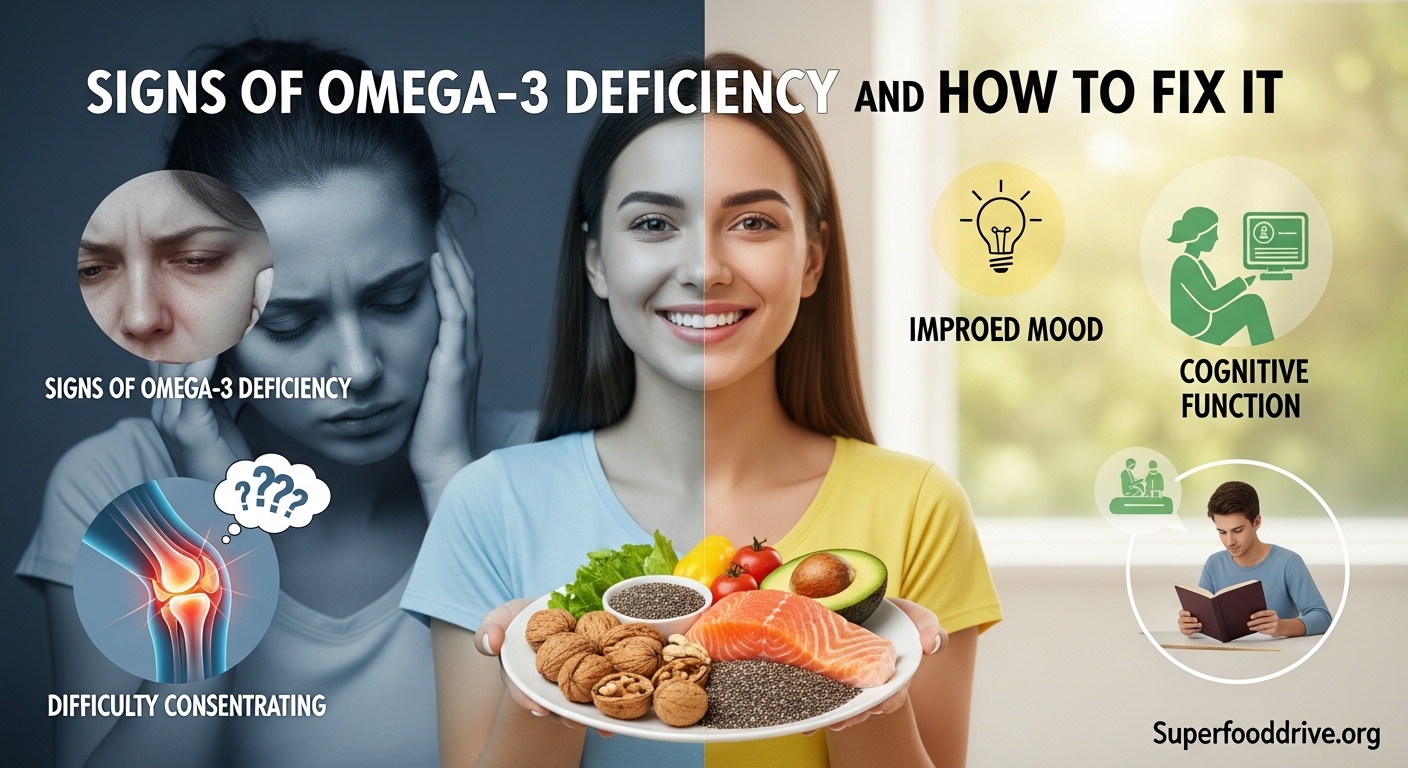
Your body might be crying out for omega-3s right now and you would not even know it. I learned this the hard way after months of dealing with unexplained dry skin, afternoon energy crashes, and a persistent brain fog that made every workday feel like I was swimming through mud.
Omega-3 fatty acids are essential nutrients your body cannot produce on its own. These polyunsaturated fats form the building blocks of your cell membranes and create signaling molecules that keep your immune, cardiovascular, and nervous systems running smoothly.
There are three main types you need to know about. EPA (eicosapentaenoic acid) and DHA (docosahexaenoic acid) come primarily from fatty fish and directly support brain health and inflammation reduction. ALA (alpha-linolenic acid) is found in plant sources like flaxseeds and walnuts, but your body must convert it to EPA and DHA, a process that is notoriously inefficient.
In this guide, I will walk you through the 10 most common signs of omega-3 deficiency based on both clinical research and real experiences from people who have been through it. You will learn how to confirm whether you are deficient, exactly how to fix it through food and supplements, and what timeline to expect for feeling better.
Table of Contents
What Is Omega-3 Deficiency?
Omega-3 deficiency occurs when your body does not have enough of these essential fatty acids to maintain optimal health. Your cells literally cannot function properly without them.
This deficiency develops gradually, often over months or years of inadequate intake. People who rarely eat fatty fish, follow strict vegan diets without proper planning, or consume high amounts of processed foods are most at risk. Your body also becomes less efficient at converting ALA to EPA and DHA as you age, putting older adults in the danger zone.
The frustrating part is that standard blood work at your annual physical usually does not test for omega-3 levels. Many people walk around deficient for years, attributing their symptoms to stress, aging, or other causes.
10 Signs and Symptoms of Omega-3 Deficiency
Here are the warning signs your body might be running low on omega-3s, ranked by how commonly they appear in people with confirmed deficiencies.
1. Skin Irritation and Dryness
Dry, flaky, or irritated skin is often the first visible sign of omega-3 deficiency. These fatty acids help maintain your skin barrier, locking in moisture and protecting against environmental damage.
Without adequate omega-3s, your skin loses its ability to retain hydration. You might notice rough patches, increased sensitivity, or even dermatitis-like symptoms that do not respond to moisturizers. Many people report that their skin feels tight and uncomfortable, especially after showering.
Research links low omega-3 levels to increased skin inflammation and compromised barrier function. This is why people with eczema and psoriasis often see improvement when they increase their omega-3 intake.
2. Depression and Anxiety
Your brain is about 60 percent fat, and DHA is one of the most abundant fatty acids in your neural tissue. When levels drop, neurotransmitter function suffers.
Multiple studies have found correlations between low omega-3 levels and mood disorders. EPA in particular appears to play a role in reducing inflammation in the brain, which is increasingly linked to depression.
Real people on forums describe experiencing feelings of lightheadedness, tightness around their bodies, and bouts of depression, irritability, and anxiety that seemed to come out of nowhere. For many, supplementing with omega-3s became a turning point in their mental health journey.
3. Dry Eyes
Omega-3s are critical for maintaining the oily outer layer of your tear film. When this layer breaks down, tears evaporate too quickly and your eyes feel dry, gritty, and irritated.
This is not just discomfort. Chronic dry eye can damage the cornea and affect your vision over time. Many people do not realize their omega-3 deficiency is the root cause until they address it.
I have seen forum posts from people who struggled with dry eye disease for years before discovering their omega-3 levels were dangerously low. Once they started supplementation, the improvement was noticeable within weeks.
4. Joint Pain and Stiffness
Omega-3 fatty acids produce anti-inflammatory compounds called eicosanoids. Without them, inflammation in your joints can increase, leading to pain, stiffness, and reduced mobility.
This is particularly relevant for people with rheumatoid arthritis and osteoarthritis. Studies show that omega-3 supplementation can reduce morning stiffness and decrease the need for anti-inflammatory medications.
Even if you do not have arthritis, persistent joint discomfort, especially in the morning or after sitting for long periods, could signal an omega-3 deficiency that needs addressing.
5. Hair Changes and Brittle Nails
Your hair and nails are outward reflections of your internal nutrition. Omega-3s nourish hair follicles and support the production of scalp oils that keep hair healthy and shiny.
Deficiency often shows up as hair that becomes dry, brittle, or starts thinning more than usual. You might notice increased shedding or hair that lacks its usual luster no matter what products you use.
Nails also suffer, becoming weak, peeling, or developing vertical ridges. These changes can be subtle at first but become more pronounced as deficiency continues.
6. Brain Fog and Poor Concentration
Difficulty focusing, memory lapses, and that frustrating “brain fog” feeling can all trace back to insufficient omega-3s. DHA is especially concentrated in the brain regions responsible for learning and memory.
Your brain cells need these fatty acids to maintain fluid membranes that allow proper neurotransmitter signaling. When levels drop, cognitive processing slows down.
Many people report feeling mentally sharper within weeks of increasing their omega-3 intake. The difference can be dramatic, especially for those who have been living with subtle cognitive decline they attributed to aging.
7. Fatigue and Low Energy
Persistent fatigue that does not improve with sleep could be a sign your cells are not getting the fatty acids they need for energy production. Mitochondria, your cellular power plants, rely on healthy membranes to function efficiently.
Omega-3s also support circulation, which affects how well oxygen and nutrients reach your tissues. Poor circulation means less energy throughout your body.
This is not the same as needing an extra cup of coffee. It is the kind of exhaustion that makes simple tasks feel overwhelming and does not resolve with rest.
8. Insomnia and Sleep Issues
Omega-3s play a role in producing melatonin, the hormone that regulates your sleep-wake cycle. Low levels have been linked to trouble falling asleep and staying asleep through the night.
Additionally, since omega-3s help manage inflammation and anxiety, their absence can leave you in a state of physical and mental unrest that makes quality sleep elusive.
People who supplement often report falling asleep faster and experiencing more restorative sleep, which creates a positive cycle for overall health recovery.
9. Earwax Buildup
This might sound strange, but excessive earwax production has been identified as a lesser-known sign of omega-3 deficiency. The glands that produce earwax rely on proper fatty acid balance to function normally.
While this symptom alone would not confirm a deficiency, it is worth noting if you are experiencing it alongside other signs on this list. It represents another system in your body affected by inadequate omega-3s.
10. Poor Circulation
Cold hands and feet, even in warm environments, can indicate circulation problems linked to omega-3 deficiency. These fatty acids help maintain blood vessel flexibility and promote healthy blood flow.
You might notice your extremities falling asleep more easily or taking longer to warm up. Some people experience tingling sensations or numbness in their fingers and toes.
Improving omega-3 status often brings noticeable warmth back to cold hands and feet, along with better overall circulation.
How to Confirm an Omega-3 Deficiency
Symptoms can point you in the right direction, but testing provides concrete answers. There are several ways to confirm whether you are deficient.
The gold standard is the Omega-3 Index test, which measures the percentage of EPA and DHA in your red blood cell membranes. An optimal level is 8 percent or higher. Levels below 4 percent indicate high risk for deficiency-related health issues.
This test is not typically included in standard blood work, so you may need to request it specifically from your doctor or order an at-home testing kit. Some labs offer comprehensive fatty acid profiles that show all your omega-3, omega-6, and omega-9 levels.
If testing is not immediately available, you can also estimate your status by tracking your dietary intake. The average person needs at least 250-500mg of combined EPA and DHA daily, and many health organizations recommend higher amounts for therapeutic benefits.
How to Fix Omega-3 Deficiency
The good news is that omega-3 deficiency is completely reversible. Your body responds quickly once you start providing these essential nutrients consistently.
Fatty Fish: The Most Efficient Source
Cold-water fatty fish deliver preformed EPA and DHA directly to your system. No conversion needed. Your body can use these nutrients immediately.
The best options include salmon, mackerel, sardines, herring, and anchovies. Aim for two to three servings per week. Wild-caught fish generally have higher omega-3 content than farmed varieties.
A single serving of salmon can provide over 1,500mg of combined EPA and DHA, which covers your daily needs and then some.
Plant-Based Sources: ALA Options
For vegetarians and vegans, flaxseeds, chia seeds, and walnuts are the primary dietary sources of ALA. Hemp seeds and pumpkin seeds also contribute smaller amounts.
Dark leafy greens like Brussels sprouts and spinach contain modest amounts of ALA as well. Every bit helps, though you would need to eat large quantities to meet your needs through vegetables alone.
Keep in mind that your body converts only about 5-10 percent of ALA to EPA and less than 1 percent to DHA. This means plant-based eaters need to be more intentional about their intake and may need to rely more heavily on algae-based supplements.
Supplement Options
When dietary sources are insufficient or unavailable, supplements fill the gap effectively.
Fish oil remains the most popular and researched option. Look for products that provide at least 1,000mg of combined EPA and DHA per serving. Quality matters, so choose brands that use molecular distillation to remove contaminants and provide third-party testing results.
Krill oil offers a phospholipid form of omega-3s that some research suggests may be more bioavailable. It also contains astaxanthin, a powerful antioxidant that protects the oil from oxidation.
Algae oil is the best choice for vegans and vegetarians. It provides DHA directly from the same source fish get it from, bypassing the conversion problem entirely. Some algae supplements now include EPA as well.
Dosage Recommendations
For maintenance, 250-500mg of combined EPA and DHA daily is generally sufficient. If you are correcting a deficiency, therapeutic doses range from 1,000-3,000mg daily.
Always start with a lower dose and increase gradually to avoid digestive upset. Taking supplements with meals improves absorption and reduces the fishy aftertaste some people experience.
Talk to your healthcare provider before starting high-dose omega-3 supplements, especially if you take blood-thinning medications or have upcoming surgery.
Recovery Timeline: How Long Until You Feel Better
One of the most common questions is how long it takes to reverse an omega-3 deficiency. The honest answer is that it varies, but most people see improvements within a specific window.
Within the first 2-4 weeks, you might notice subtle changes. Skin may start feeling less dry. Mental fog might begin lifting. Energy levels could show modest improvement.
By 6-8 weeks, more significant changes typically appear. Joint stiffness often decreases. Sleep quality improves. Mood stabilization becomes noticeable for many people.
Full cellular replenishment takes longer. The complete turnaround for red blood cell omega-3 levels happens around the 6-month mark. This is when your Omega-3 Index would reflect optimal status if you retested.
Factors that affect your timeline include the severity of your deficiency, the dose you are taking, your age, and your overall health status. Younger people and those with less severe deficiencies tend to recover faster.
Long-Term Risks of Untreated Deficiency
Ignoring omega-3 deficiency does not just mean living with uncomfortable symptoms. There are serious long-term consequences to consider.
Cardiovascular risk increases significantly. Omega-3s help regulate heart rhythm, reduce blood pressure, and lower triglycerides. Deficiency is associated with higher rates of heart disease and stroke.
Cognitive decline accelerates without adequate DHA. Your brain shrinks with age, and low omega-3 levels may speed up this process. There is growing evidence linking deficiency to dementia and Alzheimer’s disease risk.
Chronic inflammation becomes harder to control. Since omega-3s produce anti-inflammatory compounds, their absence allows inflammation to run unchecked, contributing to arthritis, autoimmune conditions, and metabolic syndrome.
The bottom line is that omega-3 deficiency is not something to ignore. The symptoms are your body’s warning signals, and addressing them now prevents bigger problems down the road.
FAQ
How do you know if your body is low on omega-3?
You may be low on omega-3 if you experience dry skin, depression or anxiety, dry eyes, joint pain, hair thinning, brain fog, fatigue, or poor circulation. The most reliable way to confirm deficiency is through an Omega-3 Index blood test that measures EPA and DHA levels in your red blood cells. Optimal levels are 8 percent or higher.
How to correct omega-3 deficiency?
Correct omega-3 deficiency by eating fatty fish 2-3 times per week, adding plant-based sources like flaxseeds and walnuts, or taking supplements providing 1,000-3,000mg of combined EPA and DHA daily. Vegetarians should choose algae-based supplements for direct DHA. Recovery typically begins within 2-4 weeks with full cellular replenishment at 6 months.
How long does it take to fix omega-3 deficiency?
Most people notice initial improvements within 2-4 weeks of consistent supplementation or dietary changes. Significant symptom relief typically occurs by 6-8 weeks. Complete cellular replenishment, as measured by the Omega-3 Index, takes approximately 6 months. Factors like age, deficiency severity, and dosage affect the timeline.
Is there a test for omega-3 deficiency?
Yes, the Omega-3 Index test is the gold standard. It measures the percentage of EPA and DHA in red blood cell membranes. Optimal is 8 percent or higher, while below 4 percent indicates high risk. This test is available through doctors or as an at-home kit. Standard blood work does not typically include omega-3 testing.
Can omega-3 reduce inflammation?
Yes, omega-3 fatty acids produce anti-inflammatory compounds called eicosanoids and resolvins. EPA is particularly effective at reducing inflammatory markers in the body. This anti-inflammatory effect helps with joint pain, skin conditions, and may reduce risk of chronic diseases associated with inflammation.
Signs of Omega-3 Deficiency: Final Thoughts
Recognizing the signs of omega-3 deficiency is the first step toward reclaiming your health. If you are experiencing dry skin, mood changes, joint pain, brain fog, or any combination of the symptoms discussed here, your body is likely asking for these essential fatty acids.
The path forward is straightforward. Get tested if you want confirmation, but do not wait to start making changes. Add fatty fish to your weekly menu, sprinkle flaxseeds on your breakfast, or invest in a quality supplement. Small consistent actions add up to significant results.
Recovery is not overnight, but it is real. Within weeks you could feel more energetic. Within months your skin could transform. Within half a year your cells could be fully replenished and operating at their best.
Your body has been trying to tell you something. Now you know how to listen and how to respond.