
Your alarm goes off at 7 AM, but you hit snooze three times. You finally drag yourself out of bed feeling like you never slept, even though you got 8 hours. By 3 PM, you’re reaching for your third cup of coffee just to function. That was me six months ago, running on empty and wondering why I felt constantly wired yet exhausted at the same time.
If this sounds familiar, you are not alone. Chronic stress, demanding schedules, and modern life pressures push our adrenal glands to work overtime. Understanding how to support these vital glands through nutrition can make a dramatic difference in your energy, sleep quality, and overall resilience.
This guide shares the most effective superfoods for adrenal fatigue and burnout recovery 2026. You will learn exactly which nutrients your stressed glands need most, which foods to avoid, and practical strategies to restore your natural energy without relying on caffeine and sugar. Our team researched extensively, consulted recovery forums, and analyzed the latest nutritional science to bring you actionable advice that works.
Table of Contents
What is Adrenal Fatigue and Why Does It Matter
Adrenal fatigue describes a collection of symptoms that occur when your adrenal glands struggle to keep up with chronic stress demands. Your adrenal glands sit atop your kidneys and produce cortisol, the primary hormone that helps your body respond to stress. They also produce aldosterone, adrenaline, DHEA, and small amounts of sex hormones.
When you face constant stress from work deadlines, poor sleep, financial worries, or even excessive exercise, your adrenal glands pump out cortisol continuously. Over time, this relentless demand can leave them struggling to maintain optimal hormone production. The result shows up as persistent fatigue, sleep disturbances, brain fog, and that characteristic feeling of being “tired but wired.”
Adrenal Fatigue vs Adrenal Insufficiency: Know the Difference
Understanding the distinction between adrenal fatigue and adrenal insufficiency helps you seek appropriate care. Adrenal insufficiency, also called Addison’s disease, is a recognized medical condition diagnosed through blood tests showing insufficient cortisol production. It requires medical treatment and hormone replacement therapy.
Adrenal fatigue, on the other hand, is not formally recognized by the Endocrine Society as a medical diagnosis. However, many functional medicine practitioners and naturopaths acknowledge the cluster of symptoms that millions of people experience. Think of it as subclinical adrenal dysfunction rather than a disease state. The good news: nutrition and lifestyle changes can often restore balance without medication.
Signs Your Adrenals Need Nutritional Support
Your body sends clear signals when your adrenal glands need help. Watch for these warning signs: difficulty waking up even after adequate sleep, mid-afternoon energy crashes, strong cravings for salt and sugar, trouble falling asleep despite exhaustion, and reliance on caffeine to get through the day. Many people also experience anxiety, irritability, poor stress tolerance, and frequent illnesses.
Women may notice worsening PMS symptoms, irregular cycles, or hormonal acne. Men might experience decreased libido or motivation. From forums I follow, the most commonly reported symptoms are brain fog, feeling overwhelmed by minor stressors, and that persistent “burnt out” sensation that coffee temporarily masks but never fixes.
How Diet Directly Impacts Your Adrenal Glands
Your adrenal glands are nutrient-hungry organs that require specific vitamins and minerals to produce hormones efficiently. The food you eat either supports this process or creates additional stress. Understanding the connection between nutrition and adrenal function empowers you to make choices that truly help rather than hurt.
The HPA Axis Explained Simply
HPA axis stands for hypothalamic-pituitary-adrenal axis, the communication system between your brain and adrenal glands. When you encounter stress, your hypothalamus signals your pituitary gland, which then tells your adrenal glands to release cortisol. This elegant system works beautifully for acute stress, like escaping a predator or giving a presentation.
Problems arise when stress becomes chronic. Constant emails, social media notifications, traffic, and work pressures keep your HPA axis activated. Over time, this dysregulation affects sleep, mood, metabolism, and immune function. Your diet plays a crucial role in calming this overactive system and providing the raw materials for proper hormone synthesis.
Blood Sugar Stability Protects Your Adrenals
Blood sugar swings force your adrenal glands to work harder. When you eat refined carbohydrates or skip meals, your blood glucose spikes then crashes. Your adrenal glands respond by releasing cortisol to raise blood sugar back up. This emergency response happens multiple times daily when your diet lacks balance.
Eating protein, healthy fats, and complex carbohydrates together helps maintain steady blood sugar. This stability reduces the cortisol demand on your adrenal glands throughout the day. Many people report feeling dramatically better within two weeks of stabilizing their blood sugar through strategic meal composition and timing.
12 Best Superfoods for Adrenal Fatigue and Burnout Recovery
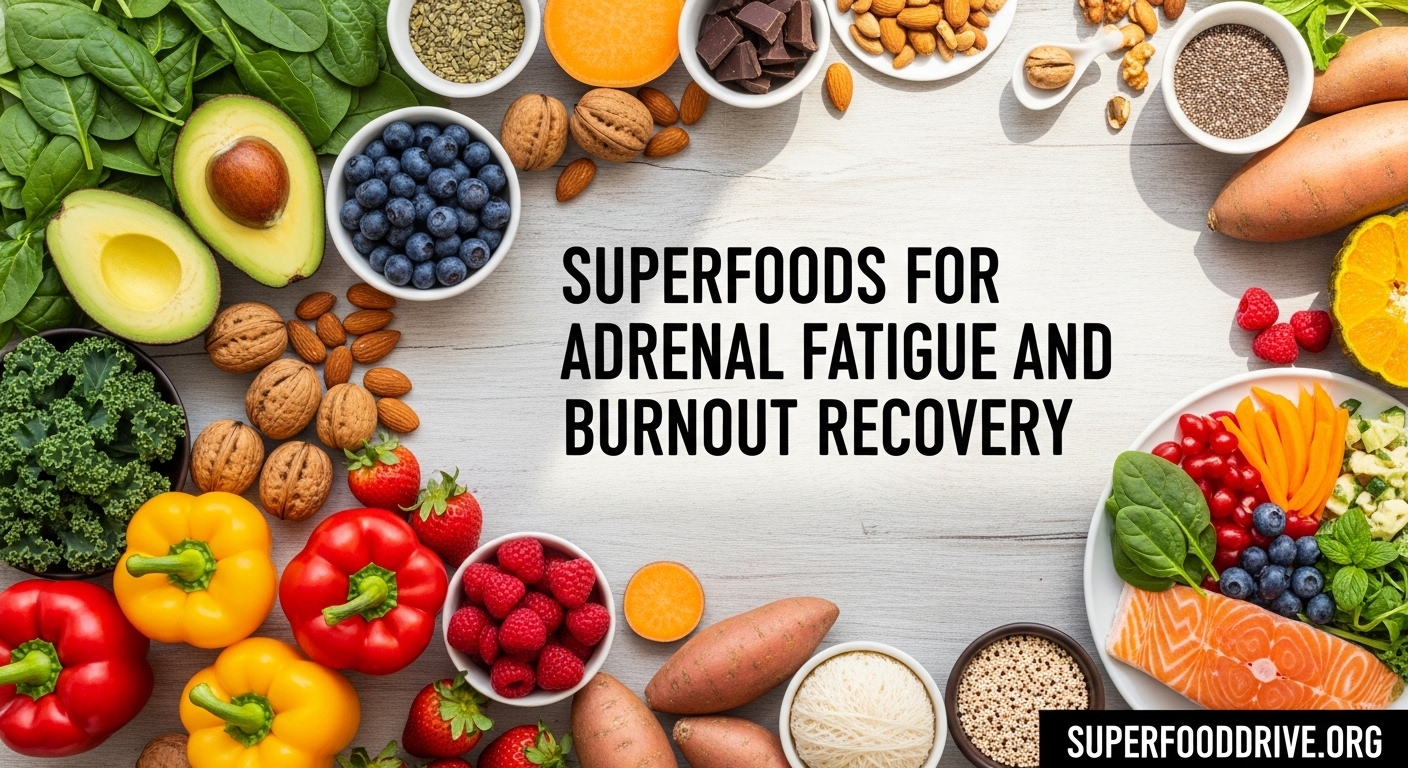
Superfoods for adrenal fatigue provide concentrated nutrition that supports hormone production, reduces inflammation, and stabilizes energy. These twelve foods form the foundation of an adrenal-supportive diet. Each offers specific benefits that target the mechanisms underlying adrenal dysfunction.
1. Leafy Greens – Vitamin C and Magnesium Powerhouses
Spinach, kale, Swiss chard, and collard greens deliver exceptional amounts of vitamin C, which your adrenal glands need in large quantities for cortisol production. Your adrenal glands contain the highest concentration of vitamin C in your body. One cup of cooked spinach provides over 50% of your daily vitamin C needs.
These greens also supply magnesium, the mineral your body uses to relax muscles and calm the nervous system. Magnesium deficiency commonly accompanies adrenal fatigue, creating a vicious cycle of stress and depletion. Adding two cups of leafy greens daily provides significant magnesium support while feeding your beneficial gut bacteria.
Try adding spinach to smoothies, massaging kale with olive oil for salads, or lightly steaming Swiss chard as a side dish. The key is consistency: these vegetables work best when consumed regularly rather than sporadically.
2. Wild-Caught Salmon – Omega-3s for Inflammation Reduction
Salmon provides anti-inflammatory omega-3 fatty acids that help regulate cortisol production and reduce the inflammatory burden on your body. Chronic stress creates inflammation, which further stresses your adrenal glands. Breaking this cycle requires adequate omega-3 intake from sources like wild-caught salmon, sardines, or mackerel.
A six-ounce serving of wild salmon delivers over 3 grams of omega-3s along with vitamin B12 and selenium. These nutrients support energy production, nervous system function, and thyroid health. Your thyroid and adrenal glands work closely together, so supporting both optimizes your hormonal balance.
Aim for two to three servings of wild-caught fatty fish weekly. If fresh salmon is unavailable or expensive, canned wild salmon offers the same benefits at a lower cost. Look for BPA-free cans and choose “wild-caught” over “Atlantic” salmon, which is typically farmed with different nutritional profiles.
3. Sweet Potatoes – Complex Carbohydrates for Blood Sugar Stability
Sweet potatoes offer complex carbohydrates that break down slowly, preventing the blood sugar spikes that stress your adrenal glands. Unlike white potatoes or refined grains, sweet potatoes provide sustained energy without triggering cortisol release to manage glucose levels.
These orange tubers are rich in vitamin C, providing about 35% of your daily needs in one medium potato. They also contain potassium, which supports healthy blood pressure and adrenal function. Many people recovering from adrenal fatigue find that including starchy vegetables like sweet potatoes at dinner helps them sleep more soundly.
Enjoy sweet potatoes roasted, mashed, or baked. Pair them with protein and healthy fats for a complete meal that stabilizes blood sugar for hours. Some people find that eating their largest carbohydrate portion at dinner, rather than breakfast, supports better sleep and morning cortisol patterns.
4. Brazil Nuts – The Selenium Superstar
Just two Brazil nuts provide your entire daily selenium requirement, making them the most concentrated food source of this essential mineral. Selenium supports thyroid function, which intimately connects with adrenal health through the hypothalamic-pituitary-thyroid-adrenal axis.
Low selenium levels impair your body’s ability to convert thyroid hormone into its active form. This sluggish thyroid function adds stress to already burdened adrenal glands. The zinc and vitamin E in Brazil nuts provide additional antioxidant protection for your stressed endocrine system.
Consume two to three Brazil nuts daily for optimal selenium intake. Do not overeat them, as excessive selenium can cause toxicity symptoms. Store Brazil nuts in the refrigerator to prevent the delicate fats from becoming rancid. If you cannot find quality Brazil nuts, two ounces of oysters provide similar selenium levels.
5. Avocados – Healthy Fats and Vitamin B5
Avocados deliver monounsaturated fats that support hormone production along with vitamin B5, also called pantothenic acid. Your adrenal glands require B5 to manufacture coenzyme A, a compound essential for creating adrenal hormones including cortisol, aldosterone, and DHEA.
One medium avocado provides about 40% of your daily B5 needs along with potassium, vitamin K, and folate. The healthy fats in avocados also help your body absorb fat-soluble vitamins from other foods. Adding avocado to salads or vegetable dishes increases nutrient absorption significantly.
Avocados also contain fiber that feeds beneficial gut bacteria. The gut-adrenal connection means that supporting digestive health directly benefits your stress response system. A daily avocado provides multiple pathways for adrenal support through both its macro and micronutrient content.
6. Oysters – Zinc and Vitamin B12 for Stress Resilience
Oysters provide the highest zinc content of any food, with six medium oysters delivering over 500% of your daily requirement. Zinc modulates cortisol production and supports immune function, which often becomes compromised during chronic stress. Low zinc levels correlate with anxiety and poor stress tolerance.
These shellfish also deliver exceptional vitamin B12, crucial for energy production and nervous system health. Many people with adrenal fatigue experience B12 deficiency symptoms like brain fog and fatigue, making oysters a targeted food choice. The combination of zinc and B12 supports the methylation processes your body uses to manage stress.
If fresh oysters are unavailable, canned smoked oysters offer similar nutritional benefits. Vegetarians can obtain zinc from pumpkin seeds, though in lower concentrations. Two to three servings of oysters weekly provide significant support for depleted adrenal function.
7. Blueberries – Antioxidant Protection for Stressed Glands
Blueberries contain anthocyanins, powerful antioxidants that protect your adrenal glands from oxidative damage caused by chronic stress. When your adrenal glands work overtime producing cortisol, they generate free radicals that can damage tissue. Antioxidant-rich foods neutralize these harmful compounds.
One cup of blueberries provides about 25% of your daily vitamin C needs along with manganese and fiber. The low glycemic impact of blueberries makes them an ideal snack for blood sugar stability. Their natural sweetness satisfies sugar cravings without triggering the glucose spikes that stress your HPA axis.
Fresh or frozen blueberries offer similar benefits, making this superfood accessible year-round. Add them to smoothies, mix into unsweetened yogurt, or enjoy as a snack with a handful of raw almonds. Regular blueberry consumption supports both adrenal and cognitive function during recovery.
8. Bone Broth – Collagen and Glycine for Recovery
Bone broth delivers collagen, gelatin, and glycine that support gut healing and provide easily absorbed minerals. Your gut lining often becomes compromised during chronic stress, leading to increased inflammation that further burdens your adrenal glands. Bone broth helps repair this damage while supplying building blocks for tissue restoration.
The glycine in bone broth acts as a calming neurotransmitter that supports sleep quality. Many people with adrenal fatigue struggle with insomnia or early morning waking. Consuming bone broth in the evening provides glycine that helps your nervous system transition into rest mode.
Quality bone broth contains calcium, magnesium, phosphorus, and trace minerals extracted from bones during the slow-cooking process. These minerals support electrolyte balance, which often becomes disrupted during adrenal dysfunction. Make your own from grass-fed bones or choose high-quality store-bought versions without additives.
9. Adaptogenic Herbs – Ashwagandha and Rhodiola
While not technically foods, adaptogenic herbs deserve mention as superfood allies for adrenal recovery. Ashwagandha helps regulate cortisol levels and supports thyroid function. Rhodiola improves energy and mental clarity without the stimulating effects of caffeine.
These herbs work differently from stimulants. Rather than forcing your body to produce more energy, they support your natural stress response systems. Ashwagandha contains withanolides that modulate HPA axis function, while rhodiola’s rosavins support neurotransmitter balance.
Add ashwagandha powder to smoothies or golden milk lattes. Rhodiola works best taken earlier in the day. Start with small amounts and increase gradually, as some people experience mild stimulation initially. These herbs complement dietary changes but work best as part of a comprehensive recovery approach.
10. Fermented Foods – Supporting the Gut-Adrenal Axis
Sauerkraut, kimchi, kefir, and other fermented foods populate your gut with beneficial bacteria that influence your stress response. Research increasingly shows that gut microbiome health directly impacts HPA axis function through the gut-brain connection. Supporting your digestive system supports your adrenal recovery.
These foods also provide predigested nutrients that your body absorbs more easily during recovery. When your digestion is compromised by stress, fermented foods offer bioavailable nutrition without demanding much digestive energy. The acetic acid in fermented foods helps stabilize blood sugar as well.
Start with small portions of fermented foods if you are not accustomed to them. A quarter cup of sauerkraut with meals provides beneficial bacteria without overwhelming your system. Choose raw, unpasteurized versions from the refrigerated section for maximum probiotic benefit.
11. Pastured Eggs – Complete Protein and B Vitamins
Eggs from pasture-raised chickens provide complete protein containing all essential amino acids your body needs for hormone production. They also deliver choline, which supports brain function and nervous system health during recovery. The B vitamins in eggs, particularly B5 and B12, directly support adrenal function.
Do not fear the cholesterol in eggs. Your adrenal glands actually use cholesterol as the building block for cortisol and other steroid hormones. Without adequate cholesterol, your glands cannot produce sufficient stress hormones. Pastured eggs provide this essential raw material along with nutrients that support its proper utilization.
Enjoy eggs any style that appeals to you. Soft-boiled or poached preparations preserve the most nutrients. Adding vegetables to omelets increases nutrient density while keeping blood sugar stable. Two to three eggs make a satisfying breakfast that supports morning cortisol patterns.
12. Quality Sea Salt – Trace Minerals and Adrenal Support
Adrenal fatigue often correlates with salt cravings and low blood pressure. Your adrenal glands produce aldosterone, a hormone that regulates sodium and potassium balance. When adrenal function declines, aldosterone production drops, causing sodium loss and potassium retention. This creates the classic salt cravings associated with adrenal issues.
Quality sea salt or Himalayan pink salt provides trace minerals along with sodium. These minerals support electrolyte balance and proper cellular function. Many people find that increasing healthy salt intake helps stabilize energy and reduce dizziness upon standing.
Salt your food to taste, especially if you experience cravings. Add a pinch of sea salt to your water bottle during hot weather or exercise. The key is choosing unprocessed salts that retain their mineral content rather than refined table salt, which offers only sodium and chloride.
Key Nutrients for Adrenal Health Explained
Understanding why specific nutrients matter helps you make informed food choices. Your adrenal glands require certain vitamins and minerals in higher amounts than other organs due to their high metabolic activity and constant hormone production.
Vitamin C – The Adrenal Gland’s Primary Need
Your adrenal glands concentrate vitamin C more than any other tissue in your body. They use it to produce cortisol and other steroid hormones. During stress, vitamin C gets depleted rapidly, creating increased demand. Studies show that animals under stress excrete more vitamin C in their urine, indicating higher utilization.
Vitamin C also acts as an antioxidant, protecting adrenal tissue from oxidative damage during hormone synthesis. It regenerates other antioxidants like vitamin E, creating a protective network. Citrus fruits, bell peppers, kiwi, strawberries, and of course the leafy greens mentioned earlier provide abundant vitamin C.
Vitamin B5 – Coenzyme A Production for Hormone Synthesis
Vitamin B5, pantothenic acid, forms the core of coenzyme A, a molecule essential for creating adrenal hormones. Without adequate B5, your adrenal glands cannot manufacture sufficient cortisol regardless of how much they are signaled to produce. This creates a functional deficiency even when demand signals remain high.
B5 also supports energy production in your mitochondria, helping combat the fatigue associated with adrenal dysfunction. Good sources include avocados, eggs, sweet potatoes, mushrooms, and broccoli. Many people recovering from adrenal fatigue benefit from emphasizing B5-rich foods daily.
Magnesium – Calming the Overactive Stress Response
Magnesium acts as nature’s relaxant, opposing the stimulating effects of calcium and supporting parasympathetic nervous system function. During chronic stress, your body excretes more magnesium through urine, creating a deficiency that perpetuates the stress response. Low magnesium increases anxiety, muscle tension, and sleep disturbances.
Dark leafy greens, pumpkin seeds, almonds, and dark chocolate provide magnesium. Many people with adrenal fatigue require more magnesium than the standard recommended amounts due to increased losses during stress. Epsom salt baths offer another absorption pathway through the skin.
Zinc – Regulating Cortisol and Supporting Immunity
Zinc helps regulate cortisol production and supports immune function that often becomes compromised during chronic stress. Low zinc levels correlate with anxiety and depression, common companions of adrenal fatigue. Your body also uses zinc for proper sleep architecture, which adrenal issues frequently disrupt.
Oysters, pumpkin seeds, grass-fed beef, and chickpeas provide zinc. Phytates in plant sources can reduce zinc absorption, so soaking or fermenting plant foods increases bioavailability. Pairing zinc-rich foods with protein sources enhances absorption as well.
Selenium – The Thyroid-Adrenal Connection
Selenium supports the conversion of thyroid hormone T4 into the active T3 form. Your thyroid and adrenal glands work as partners in energy regulation. When thyroid function is sluggish due to selenium deficiency, your adrenal glands work harder to compensate. Supporting both glands simultaneously optimizes recovery.
Brazil nuts remain the superstar selenium source, but fish, eggs, and sunflower seeds also contribute. Selenium and iodine work together for thyroid health, so including sea vegetables or moderate amounts of iodized salt supports this nutrient partnership.
Foods to Avoid During Adrenal Recovery
Removing stressors is as important as adding supportive foods. Certain foods and beverages force your adrenal glands to work harder, counteracting your recovery efforts. Eliminating or reducing these items creates space for healing.
Caffeine – The Hidden Energy Thief
Caffeine stimulates your adrenal glands to release cortisol and adrenaline, creating artificial energy at a cost. This borrowed energy comes with interest: a subsequent crash that leaves you reaching for more caffeine. Many people in adrenal recovery forums report that eliminating caffeine was the single most helpful change they made.
If quitting caffeine feels overwhelming, taper gradually to minimize withdrawal headaches. Switch from coffee to green tea for lower caffeine with antioxidant benefits. Eventually, many people find that consistent nutrition and sleep provide more sustainable energy than caffeine ever did.
Refined Sugar and Simple Carbohydrates
Sugar creates blood sugar spikes followed by crashes that trigger cortisol release. Your adrenal glands get called into emergency duty multiple times daily when you consume sweets, white bread, pasta, and processed snacks. The inflammation generated by high sugar intake adds another stressor to an already burdened system.
Read labels carefully, as sugar hides in surprising places including salad dressings, sauces, and “healthy” packaged foods. Use whole fruit to satisfy sweet cravings, as the fiber slows sugar absorption. Dark chocolate with 70% or higher cacao content offers antioxidant benefits with minimal sugar.
Processed and Packaged Foods
Processed foods contain inflammatory vegetable oils, preservatives, artificial additives, and hidden sugars that stress your liver and digestive system. Your body processes these as foreign substances, creating an inflammatory response. When your resources go toward processing chemicals, fewer remain for adrenal restoration.
Focus on whole foods in their natural state. If a food has a long ingredient list or comes in colorful packaging with health claims, it is probably not ideal for adrenal recovery. Simple, minimally processed foods require less digestive energy and provide more bioavailable nutrition.
Alcohol – Sleep Disruptor and Nutrient Depleter
Alcohol may help you fall asleep initially, but it disrupts sleep quality later in the night. It also depletes B vitamins and magnesium that your adrenal glands need for recovery. The sugar content in many alcoholic beverages creates additional blood sugar instability.
Many people find that alcohol affects them more intensely during adrenal fatigue, experiencing worse hangovers from smaller amounts. This reflects your liver’s reduced capacity to process toxins when resources are diverted to stress management. Taking a break from alcohol supports your recovery significantly.
Meal Timing Strategies for Cortisol Balance
When you eat matters almost as much as what you eat. Your cortisol follows a natural rhythm, highest in the morning to help you wake and lower at night to allow sleep. Strategic meal timing supports this rhythm rather than fighting it.
Eat Breakfast Within One Hour of Waking
Your cortisol peaks within an hour of waking, and eating helps modulate this spike. Skipping breakfast signals your body that food is scarce, triggering additional cortisol release to maintain blood sugar. Many people with adrenal fatigue feel nauseous in the morning but find that eating something small helps settle their stomach and stabilizes energy.
Include protein, healthy fat, and complex carbohydrate in your breakfast. Eggs with avocado and sweet potato, or a smoothie with protein powder, coconut milk, and berries provide balanced nutrition. Avoid high-sugar breakfasts like pancakes or sweetened cereals that create blood sugar chaos before noon.
Maintain Regular Meal Times
Your body thrives on predictability, especially during recovery. Eating meals at consistent times trains your HPA axis to expect nourishment, reducing the stress response. Irregular eating patterns trigger cortisol release as your body anticipates potential famine.
Aim for three balanced meals with optional small snacks if needed. Do not let yourself become overly hungry, as this forces cortisol to raise blood sugar. Some people find that eating smaller, more frequent meals works better during acute adrenal fatigue, gradually transitioning to three meals as recovery progresses.
Front-Load Your Nutrition
Many adrenal recovery protocols recommend eating your largest meal earlier in the day and a lighter dinner. This approach supports natural cortisol patterns and can improve sleep quality. However, some people find that including complex carbohydrates at dinner helps them sleep more soundly.
Experiment to find what works for your body. The key principles remain consistent: regular timing, balanced macronutrients, and avoiding large meals within three hours of bedtime. Your meal timing should support, not interfere with, your sleep quality.
The Gut-Adrenal Axis: Why Digestive Health Matters
Your gut and adrenal glands communicate constantly through the gut-brain axis. When digestion is compromised, inflammatory signals travel to your brain and trigger HPA axis activation. Supporting gut health is essential for complete adrenal recovery.
Leaky Gut and Chronic Stress
Chronic stress increases intestinal permeability, allowing undigested food particles and bacterial toxins to enter your bloodstream. Your immune system attacks these foreign substances, creating systemic inflammation. This inflammation signals your brain that danger exists, perpetuating the stress response that exhausted your adrenal glands in the first place.
Healing your gut lining reduces this inflammatory burden. Bone broth, collagen peptides, and zinc carnosine support intestinal repair. Removing inflammatory foods like gluten, industrial seed oils, and processed items gives your gut a chance to heal.
Beneficial Bacteria and Stress Resilience
Your gut bacteria produce neurotransmitters and short-chain fatty acids that influence your stress response. Certain bacterial strains help regulate cortisol production and anxiety levels. Research shows that probiotic supplementation can lower cortisol and improve stress management in healthy adults.
Fermented foods provide diverse bacterial strains along with the prebiotic fibers that feed them. Eating a variety of fermented foods rather than relying on a single probiotic supplement supports microbial diversity. This diversity correlates with better stress resilience and immune function.
Recovery Timeline: What to Expect on Your Healing Journey
Adrenal fatigue recovery requires patience and realistic expectations. Based on reports from recovery forums and our research, healing takes months rather than weeks. Understanding the typical timeline helps you stay committed during slower phases.
Weeks 1-2: Stabilization
During the first two weeks, you may feel worse before feeling better. Removing caffeine and sugar can trigger temporary fatigue and irritability as your body adjusts. However, many people notice improved sleep quality within the first week of eliminating stimulants and eating regular balanced meals.
This phase requires commitment to the process despite discomfort. The stabilization period establishes the foundation for deeper healing. Stay hydrated, rest when needed, and trust that your body is beginning to repair itself.
Months 1-3: Gradual Improvement
Most people report noticeable energy improvements within one to three months of consistent nutrition changes. Morning wakefulness becomes easier, afternoon crashes become less severe, and sleep quality improves. Blood sugar stability reduces the intense sugar cravings that plagued the early weeks.
Progress is rarely linear. You will have good days and challenging days during this phase. The trend should move upward even if individual days vary. Many forum users describe this as the “turning point” phase where they realize recovery is possible.
Months 3-6: Consolidating Gains
Between three and six months, energy typically becomes more consistent and reliable. You may feel tempted to resume old habits like caffeine or irregular meal timing. Resist this urge, as your adrenals are still rebuilding their reserves even when symptoms improve.
This phase focuses on deepening recovery and addressing any remaining gut issues or nutritional deficiencies. Many people add gentle movement like walking or yoga during this period as energy permits. The goal is sustainable wellness rather than quick fixes.
Beyond 6 Months: Maintenance and Resilience
After six months of consistent support, most people feel significantly better than when they started. The adrenal-supportive diet becomes second nature rather than a struggle. Many find they can occasionally enjoy treats without crashing, though daily habits remain important.
The goal shifts from recovery to maintenance and building resilience. You have learned how your body responds to different foods and stressors. This knowledge helps you navigate future stressful periods without returning to full burnout.
Frequently Asked Questions About Adrenal Fatigue and Nutrition
How do you recover from adrenal fatigue?
Recovery requires a comprehensive approach including nutrition changes, stress management, and adequate rest. Focus on eating regular balanced meals with adequate protein, healthy fats, and complex carbohydrates. Remove caffeine, refined sugar, and processed foods. Prioritize sleep, manage stress through meditation or gentle movement, and allow several months for healing. Recovery timelines vary but most people notice improvement within 1-3 months of consistent changes.
What foods help heal adrenal fatigue?
The best foods for adrenal support include leafy greens for vitamin C and magnesium, wild salmon for omega-3s and B12, sweet potatoes for stable energy, Brazil nuts for selenium, avocados for healthy fats and B5, oysters for zinc, blueberries for antioxidants, bone broth for gut healing, and fermented foods for gut health. These superfoods for adrenal fatigue provide the specific nutrients your glands need for hormone production.
How long does it take to recover from adrenal fatigue?
Recovery typically takes 3-6 months for noticeable improvement, with full recovery potentially requiring 12 months or longer depending on severity and consistency. Most people report feeling worse during the first 1-2 weeks as the body adjusts to removing stimulants. Gradual improvement becomes noticeable within 1-3 months. Recovery is not linear and requires sustained commitment to nutrition and lifestyle changes.
Can emotional stress cause adrenal issues?
Yes, chronic emotional stress is a primary cause of adrenal fatigue. Relationship problems, financial worries, work pressure, and ongoing anxiety trigger continuous cortisol release. Over time, this unrelenting demand exhausts your adrenal glands’ capacity to respond appropriately. The combination of emotional stressors and poor nutrition creates a perfect storm for adrenal dysfunction. Addressing both the psychological and physiological aspects supports recovery.
Is adrenal fatigue a real medical diagnosis?
Adrenal fatigue is not formally recognized as a medical diagnosis by the Endocrine Society. However, many functional medicine practitioners and naturopaths acknowledge the cluster of symptoms as subclinical adrenal dysfunction. The term distinguishes this condition from Addison’s disease, which is diagnosed adrenal insufficiency requiring medical treatment. Whether or not mainstream medicine recognizes the term, the symptoms are real and respond to nutrition and lifestyle interventions.
Do I need supplements or can food alone help?
Food alone can provide significant support, but many people recovering from adrenal fatigue benefit from targeted supplementation. Vitamin C, B-complex, magnesium, and adaptogenic herbs often speed recovery. However, supplements work best alongside dietary changes rather than replacing them. Focus on nutrient-dense foods as your foundation, then consider supplements based on individual needs and testing. Consult with a healthcare provider for personalized recommendations.
How does caffeine affect adrenal health?
Caffeine forces your adrenal glands to release cortisol and adrenaline, creating artificial energy while depleting your reserves. This borrowed energy comes with a subsequent crash that triggers cravings for more caffeine. During adrenal fatigue, your glands are already struggling to produce adequate hormones. Adding caffeine creates additional demand on exhausted organs. Most people find eliminating caffeine one of the most impactful changes for recovery.
Final Thoughts: Your Path to Renewed Energy
Superfoods for adrenal fatigue offer powerful support, but they work best as part of a comprehensive approach. The twelve foods outlined here provide the vitamin C, B vitamins, magnesium, zinc, selenium, and healthy fats your glands need for recovery. Combined with proper meal timing, removal of inflammatory foods, and attention to gut health, nutrition creates the foundation for healing.
Remember that rest matters as much as food. Your adrenal glands recover during sleep and relaxation, not just when you eat well. The forum communities emphasize this repeatedly: diet supports recovery, but pushing through exhaustion with perfect nutrition still leads to burnout. Honor your body’s need for rest as you implement these dietary changes.
Recovery takes time. Expect three to six months of consistent effort before significant improvement, and up to a year for full restoration. The good news: each meal is an opportunity to support your healing. Start with one change, perhaps adding leafy greens or removing your afternoon coffee, and build from there. Your adrenal glands will thank you with renewed energy, better sleep, and the resilience to handle life’s challenges without burning out.
What will your first step be on this journey?