
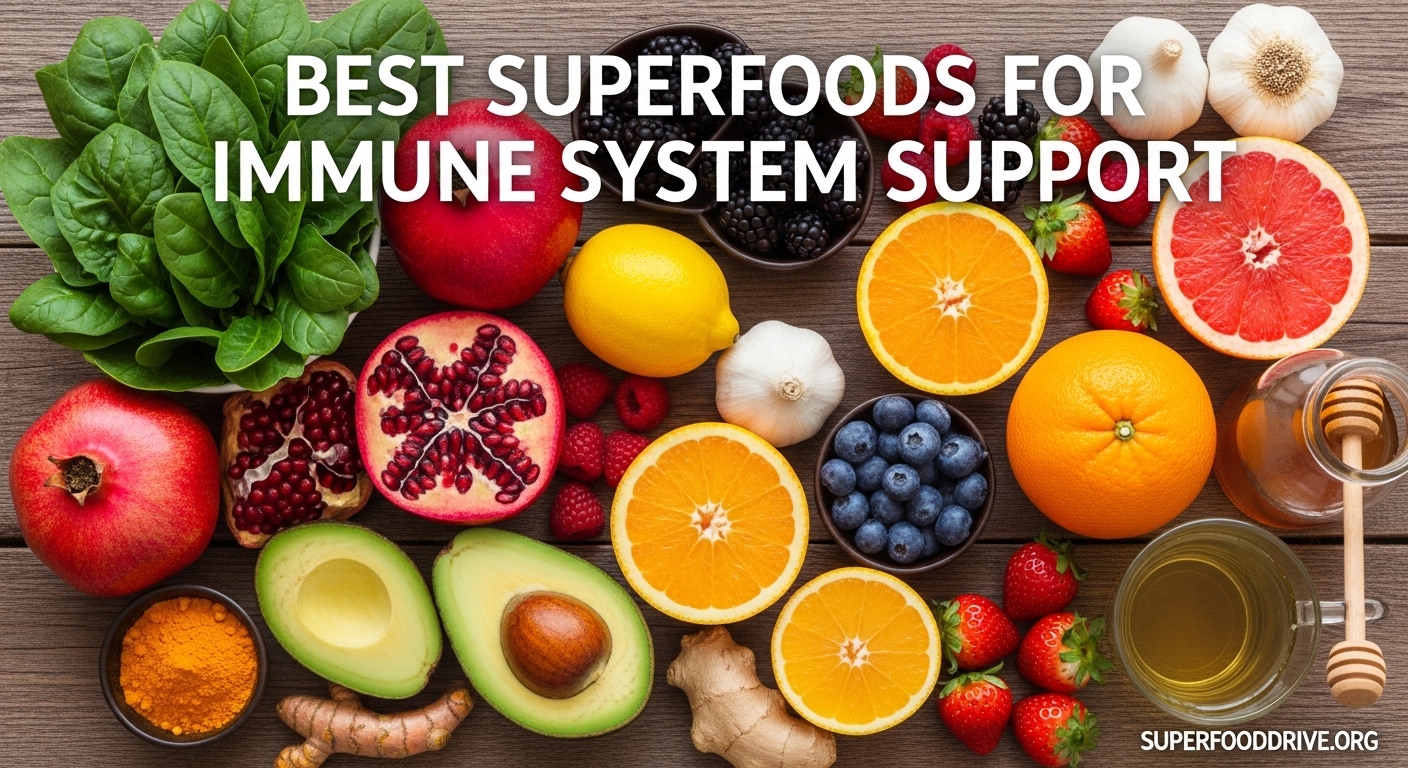
Your immune system works around the clock to protect you from infections, viruses, and harmful bacteria. Yet many people don’t realize that the foods they eat directly impact how well their immune system functions. Superfoods for immune system support are nutrient-dense foods packed with vitamins, minerals, and antioxidants that help your body build and maintain strong defenses.
In this guide, you’ll discover the 15 most powerful superfoods that science shows can enhance immune function. I’ll share exactly which nutrients matter most, how much you need, and practical ways to incorporate these foods into your daily meals. Whether you’re looking to prevent seasonal colds or simply optimize your overall health, these evidence-based recommendations will help you eat your way to better immunity.
Table of Contents
Understanding Your Immune System
Your immune system is a complex network of cells, tissues, and organs that work together to defend your body against harmful invaders. White blood cells, antibodies, and the lymphatic system form your body’s defense army, constantly scanning for viruses, bacteria, and other pathogens that could make you sick.
Nutrition plays a critical role in immune function. Your immune cells need specific vitamins and minerals to multiply, communicate, and attack threats effectively. Research published in the Journal of Clinical Medicine confirms that deficiencies in key nutrients can significantly impair immune response, making proper nutrition essential for maintaining robust defenses.
Superfoods earn their name by delivering exceptional nutritional density. These foods contain higher concentrations of immune-supporting compounds compared to typical foods, giving your body the building blocks it needs for optimal immune function without excess calories.
15 Best Superfoods for Immune System Support
Based on scientific research and nutritional analysis, these 15 superfoods provide the most comprehensive immune support. Each offers unique benefits backed by clinical studies and centuries of traditional use.
1. Citrus Fruits
Citrus fruits like oranges, grapefruits, lemons, and limes are famous for their vitamin C content. One medium orange delivers approximately 70 mg of vitamin C, nearly 80% of your daily recommended intake. Vitamin C increases white blood cell production, which helps your body fight infections.
Your body cannot produce or store vitamin C, making daily consumption essential. Studies show that regular citrus consumption can reduce both the duration and severity of common colds. The flavonoids in citrus also provide antioxidant protection that supports overall immune health.
2. Red Bell Peppers
Red bell peppers contain twice as much vitamin C as citrus fruits per gram. One cup of chopped red bell peppers provides approximately 190 mg of vitamin C, more than double the daily requirement for adults. They also deliver beta-carotene, which your body converts to vitamin A for additional immune support.
The vibrant red color comes from carotenoids, powerful antioxidants that reduce inflammation and support cellular health. Raw peppers maintain the highest nutrient levels, though lightly cooking them makes some nutrients more bioavailable.
3. Broccoli
Broccoli is one of the healthiest vegetables you can eat for immune support. A single cup provides vitamins A, C, and E, plus fiber and numerous antioxidants. The sulforaphane compound in broccoli has demonstrated potent immune-enhancing effects in research studies.
To preserve these nutrients, cook broccoli as little as possible. Steaming for just a few minutes maintains more nutrients than boiling or frying. Raw broccoli in salads or as a crunchy snack delivers maximum vitamin retention.
4. Garlic
Garlic has been used for medicinal purposes for thousands of years, and modern science confirms its immune-boosting properties. The sulfur-containing compounds in garlic, particularly allicin, have demonstrated antimicrobial and immune-enhancing effects in clinical studies.
Research published in PMC shows that garlic supplementation can reduce the frequency and duration of colds. For best results, crush or chop garlic and let it sit for 10 minutes before cooking. This activates the beneficial compounds that support immune function.
5. Ginger
Ginger contains gingerol, a bioactive compound with powerful anti-inflammatory and antioxidant properties. Chronic inflammation can suppress immune function, making ginger’s anti-inflammatory benefits particularly valuable for immune health.
Fresh ginger root provides the most potent benefits. Add sliced ginger to hot water for tea, grate it into stir-fries, or blend it into smoothies. Studies suggest that regular ginger consumption may help reduce inflammatory markers while supporting healthy digestion.
6. Spinach
Spinach is rich in vitamin C, beta-carotene, and numerous antioxidants that support immune function. Like broccoli, spinach retains most nutrients when cooked minimally. One cup of raw spinach provides about 15% of your daily vitamin C needs.
The folate in spinach helps your body produce new cells and repair DNA. This leafy green also contains iron, which is essential for carrying oxygen to immune cells. The combination of nutrients makes spinach a true immune-supporting superfood.
7. Yogurt and Fermented Foods
Yogurt containing live and active cultures provides probiotics that support gut health. Since approximately 70% of your immune system resides in your gut, maintaining healthy gut bacteria is crucial for immune function. Look for yogurts with “live and active cultures” listed on the label.
Fermented foods like kefir, kimchi, sauerkraut, and kombucha also deliver beneficial bacteria. These foods enhance the diversity of your gut microbiome, which research links to stronger immune responses and reduced inflammation.
8. Almonds and Nuts
Almonds are packed with vitamin E, a fat-soluble antioxidant essential for immune health. Just half a cup of almonds provides nearly 100% of your daily vitamin E requirement. Vitamin E works as a powerful antioxidant that protects immune cells from damage.
Nuts also provide healthy fats, fiber, and protein that support overall health. The combination of nutrients in almonds helps regulate immune function while providing sustained energy. Choose raw or dry-roasted almonds without added salt or oils for maximum benefits.
9. Sunflower Seeds
Sunflower seeds deliver an impressive nutrient profile for immune support. They’re rich in vitamin E, selenium, magnesium, and phosphorous. Just one ounce of sunflower seeds provides nearly half your daily vitamin E needs and significant selenium.
Selenium plays a crucial role in immune cell function and inflammation regulation. Research indicates that adequate selenium intake supports the production of immune cells and enhances their ability to respond to threats.
10. Turmeric
Turmeric contains curcumin, a compound with potent anti-inflammatory properties. Curcumin helps modulate the immune system by regulating the activation of immune cells and reducing excessive inflammation. Studies suggest it may enhance antibody responses.
For best absorption, combine turmeric with black pepper. The piperine in black pepper increases curcumin absorption by up to 2,000%. Adding turmeric to warm milk with a pinch of black pepper creates a traditional immune-supporting beverage.
11. Green Tea
Green tea contains EGCG (epigallocatechin gallate), a powerful antioxidant that enhances immune function. Research published in the Journal of Immunology Research shows that EGCG can increase the number of regulatory T cells, which help modulate immune responses.
The amino acid L-theanine in green tea may also support immune function by aiding in the production of germ-fighting compounds. Drinking 2-3 cups of green tea daily provides beneficial compounds without excessive caffeine.
12. Papaya
Papaya delivers a remarkable amount of vitamin C, with one medium fruit providing approximately 225% of your daily needs. It also contains papain, a digestive enzyme with anti-inflammatory effects, and potassium for cellular health.
The beta-carotene in papaya converts to vitamin A, which supports the integrity of mucous membranes in your respiratory and digestive tracts. These membranes serve as your body’s first line of defense against pathogens.
13. Kiwi
Kiwi is exceptionally nutrient-dense for immune support. One cup of kiwi provides about 273% of your daily vitamin C needs, plus vitamin K, folate, and potassium. Research suggests that kiwi may reduce the duration and severity of upper respiratory infections.
Regular kiwi consumption has been linked to improved immune function in older adults and children. The combination of vitamin C and other antioxidants makes kiwi particularly effective for supporting immune health.
14. Poultry and Lean Protein
Chicken and turkey provide vitamin B-6, which is essential for producing new red blood cells and supporting immune cell production. About 3 ounces of poultry provides nearly one-third of your daily B-6 needs. Protein itself is crucial for building immune cells and antibodies.
Chicken soup, often called “Jewish penicillin,” contains more than just folklore benefits. The broth contains nutrients that help reduce inflammation and support immune function, while the protein provides building blocks for immune cells.
15. Shellfish
Shellfish including oysters, crab, lobster, and mussels are excellent sources of zinc. Oysters contain more zinc per serving than any other food, with six oysters providing about 300% of your daily needs. Zinc is essential for immune cell development and communication.
Adequate zinc intake helps your immune system respond effectively to pathogens. Research shows that zinc deficiency can impair immune function and increase susceptibility to infections. However, avoid excessive zinc supplementation, as too much can suppress immune function.
Key Nutrients That Power Your Immune System
Understanding which nutrients support immunity helps you make informed food choices. Here are the most critical nutrients for immune function and how much you need.
Vitamin C stimulates white blood cell production and acts as an antioxidant. Adults need 75-90 mg daily, though some experts recommend higher amounts during illness. Citrus fruits, peppers, and berries are excellent sources.
Vitamin D regulates immune responses and deficiency is linked to increased infection risk. Adults need 600-800 IU daily, with fatty fish, fortified foods, and sunlight exposure providing this essential nutrient.
Zinc supports immune cell development and reduces inflammation. Adults need 8-11 mg daily. Shellfish, meat, legumes, and seeds provide zinc in bioavailable forms.
Vitamin E protects immune cells from oxidative damage. Adults need 15 mg daily. Nuts, seeds, and vegetable oils are the best sources.
Omega-3 Fatty Acids reduce inflammation and support immune cell function. Fatty fish, flaxseeds, chia seeds, and walnuts provide these essential fats.
How to Incorporate Superfoods Into Your Daily Diet
Eating for immune health doesn’t require complicated recipes or expensive ingredients. Here are practical ways to include these superfoods in your daily routine.
Breakfast Ideas: Add berries and kiwi to oatmeal or yogurt. Blend spinach into a morning smoothie with banana and ginger. Spread almond butter on whole grain toast.
Lunch Options: Build salads with spinach, red peppers, and sunflower seeds. Add grilled chicken or shellfish for protein and zinc. Include a side of yogurt for probiotics.
Dinner Inspiration: Stir-fry broccoli and garlic with turmeric and black pepper. Serve with baked salmon for omega-3s. Add a cup of green tea with your meal.
Smart Snacking: Keep almonds and sunflower seeds on hand. Snack on papaya slices or citrus segments. Sip green tea instead of sugary drinks.
Consistency matters more than perfection. Aim to include at least 3-4 immune-supporting superfoods daily rather than trying to eat them all at once.
Lifestyle Factors That Support Immunity
While superfoods provide essential nutrients, lifestyle factors significantly impact immune function. Combining good nutrition with these habits creates the strongest immune defense.
Sleep: Adults need 7-9 hours of quality sleep for optimal immune function. During sleep, your body produces cytokines, proteins that target infection and inflammation. Poor sleep reduces immune cell production and increases susceptibility to illness.
Exercise: Moderate physical activity enhances immune function by promoting circulation of immune cells. Aim for 150 minutes of moderate exercise weekly. However, excessive intense exercise can temporarily suppress immunity.
Stress Management: Chronic stress elevates cortisol levels, which can suppress immune function. Practice stress-reduction techniques like meditation, deep breathing, or yoga. Even 10 minutes daily can help regulate stress hormones.
Hydration: Water helps produce lymph, which carries white blood cells and nutrients throughout your body. Aim for 8 glasses daily, adjusting for activity level and climate.
Frequently Asked Questions
What superfood strengthens the immune system?
No single superfood provides complete immune support. However, citrus fruits are among the most effective due to their high vitamin C content, which directly stimulates white blood cell production. Garlic, ginger, and turmeric also demonstrate strong immune-enhancing properties through their bioactive compounds. For best results, consume a variety of superfoods rather than relying on just one.
What foods boost the immune system quickly?
For rapid immune support, focus on foods high in vitamin C like citrus fruits, red bell peppers, and kiwi. These nutrients work within hours to support white blood cell function. Ginger tea can provide anti-inflammatory benefits quickly. However, lasting immune support requires consistent healthy eating over weeks and months, not just quick fixes.
How quickly can superfoods affect immune function?
Some effects happen within hours. Vitamin C from citrus fruits begins supporting white blood cell production almost immediately. Anti-inflammatory compounds in ginger and turmeric can reduce inflammation markers within days. However, building robust immune defenses takes consistent nutrition over weeks. Studies show that regular consumption of immune-supporting foods provides the greatest benefits after 4-12 weeks.
Can superfoods prevent colds and flu?
Superfoods cannot completely prevent illness, but they significantly reduce risk and severity. Research shows that adequate vitamin C intake can shorten colds by 8% in adults and 14% in children. Zinc-rich foods may reduce cold duration when consumed at the first sign of symptoms. While no food guarantees immunity, proper nutrition gives your body the best chance to fight infections effectively.
Should I take supplements or focus on whole foods?
Whole foods should be your primary source of immune-supporting nutrients. Foods provide complex nutrient combinations that supplements cannot replicate. For example, an orange provides vitamin C plus fiber, flavonoids, and other beneficial compounds. However, some people may need supplements for vitamin D or zinc, especially during winter months or if blood tests indicate deficiency. Consult a healthcare provider before starting supplements.
What is the most powerful immune-boosting vitamin?
Vitamin C is often considered the most powerful immune-supporting vitamin because it directly stimulates white blood cell production and acts as an antioxidant. However, vitamin D may be equally important, as deficiency is linked to increased infection risk. Zinc, while technically a mineral, is essential for immune cell development. The most effective approach combines all these nutrients from whole food sources.
How much vitamin C do I need daily for immune health?
Adults need 75 mg (women) to 90 mg (men) of vitamin C daily for basic health. However, some research suggests that higher amounts up to 200 mg daily may provide additional immune benefits. Smokers need an extra 35 mg daily. You can easily meet these needs through food. One medium orange provides 70 mg, while one cup of red bell peppers provides 190 mg.
Conclusion
Superfoods for immune system support provide your body with the nutrients it needs to maintain strong defenses against illness. The 15 superfoods outlined in this guide offer a diverse range of vitamins, minerals, and antioxidants that work together to support immune function. From vitamin C-rich citrus fruits to zinc-packed shellfish, each food brings unique benefits to your immune system.
Remember that no single food provides complete protection. The key to immune health lies in variety and consistency. Aim to incorporate several of these superfoods into your daily diet while also prioritizing sleep, exercise, and stress management. Small changes made consistently over time will yield the greatest benefits for your immune health in 2026 and beyond.
Start today by adding just one or two new immune-supporting foods to your next meal. Your immune system will thank you.