
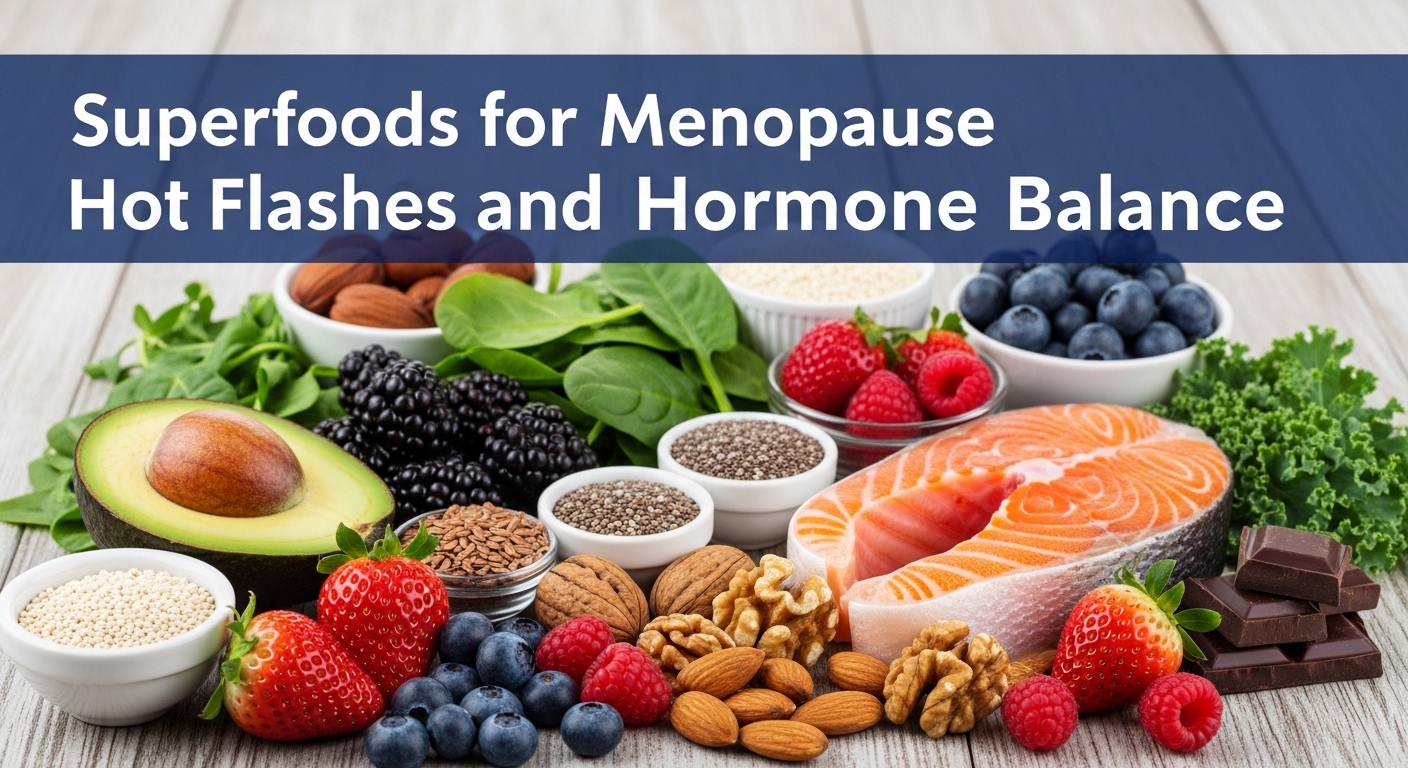
Hot flashes strike up to 80% of women during menopause, turning ordinary moments into uncomfortable episodes of sudden heat, sweating, and flushed skin. I have spent months researching how diet can help, and the evidence is compelling: a plant-based diet rich in soy reduced moderate-to-severe hot flashes by 84% in clinical studies. This guide shares the exact superfoods for menopause hot flashes and hormone balance that research supports, along with practical ways to add them to your meals starting today.
You will learn which foods naturally mimic estrogen in your body, what to avoid, and how to build a menopause-friendly eating plan that actually works. Whether you are in perimenopause or post-menopause, these dietary changes can help you reclaim comfort without relying solely on medication.
Table of Contents
Understanding Hot Flashes and Menopause
Hot flashes are sudden feelings of intense warmth that spread through your upper body, often accompanied by a flushed face, sweating, and sometimes a rapid heartbeat. These vasomotor symptoms occur when dropping estrogen levels disrupt your body’s temperature regulation system, causing blood vessels near the skin’s surface to dilate rapidly.
Most women experience hot flashes for 6 months to 2 years, though some report symptoms lasting a decade or longer. They typically begin during perimenopause, the transitional period before menopause officially begins, when hormone levels start fluctuating unpredictably.
The frequency varies dramatically between women. Some experience a few mild episodes monthly, while others face dozens of intense hot flashes daily. Night sweats, the nighttime version of hot flashes, can disrupt sleep and lead to chronic fatigue, mood changes, and reduced quality of life.
The Science: How Food Affects Menopause Symptoms
Your food choices directly impact hormone balance during menopause through compounds called phytoestrogens. These plant-based molecules structurally resemble estrogen and can bind to estrogen receptors in your body, helping to moderate the hormonal fluctuations that trigger hot flashes.
The most studied phytoestrogens are isoflavones, found primarily in soy products. When you consume soy, your gut bacteria convert some isoflavones into a compound called equol. Research shows that women who produce equol experience significantly fewer hot flashes than those who do not, which explains why soy helps some women more than others.
A landmark study called the WAVS trial (Women’s Study for the Alleviation of Vasomotor Symptoms) demonstrated that a low-fat, plant-based diet including half a cup of cooked soybeans daily reduced moderate-to-severe hot flashes by 84%. Participants also reported improved quality of life and reduced severity of symptoms.
Omega-3 fatty acids found in fatty fish and certain seeds help reduce inflammation that can worsen hormonal symptoms. Lignans in flaxseeds provide another source of phytoestrogens while also supporting digestive health. Fiber from whole grains and vegetables helps stabilize blood sugar, preventing spikes that can trigger hot flashes.
Top 9 Superfoods for Hot Flash Relief
Adding these nine superfoods to your diet gives your body the building blocks it needs to manage menopause symptoms naturally. Each offers specific compounds that target the root causes of hot flashes and hormonal imbalance.
Soy Products
Tofu, tempeh, edamame, and soy milk contain the highest concentrations of isoflavones among commonly eaten foods. Aim for 1-2 servings daily, with each serving providing approximately 25 milligrams of isoflavones. Choose minimally processed forms like whole soybeans or tofu over heavily processed soy protein isolates.
Fermented soy products like tempeh and miso may offer additional benefits for gut health, which supports better equol production. Japanese women who consume traditional soy-rich diets report significantly fewer hot flashes than Western women, demonstrating the protective potential of regular soy consumption.
Flaxseeds
Ground flaxseeds are one of the richest sources of lignans, providing up to 800 times more than other plant foods. Your body converts lignans into enterolactone, a compound with weak estrogenic activity that can help balance hormone levels. Add 1-2 tablespoons of ground flaxseed daily to smoothies, oatmeal, or yogurt.
Always consume flaxseeds ground rather than whole, as whole seeds pass through your digestive system undigested. Store ground flaxseed in the refrigerator or freezer to prevent the healthy oils from going rancid.
Fatty Fish
Salmon, mackerel, sardines, and herring provide omega-3 fatty acids that reduce inflammation and may help stabilize mood swings common during menopause. The anti-inflammatory effects of omega-3s can also help reduce the severity and frequency of hot flashes. Aim for 2-3 servings of fatty fish per week.
Canned sardines and wild-caught salmon offer convenient, affordable options that require minimal preparation. If you do not eat fish, algae-based omega-3 supplements provide a plant-based alternative with similar benefits.
Leafy Greens
Spinach, kale, Swiss chard, and collard greens deliver calcium, magnesium, and vitamin K that support bone health during menopause when estrogen decline accelerates bone loss. These vegetables also contain antioxidants and fiber that support overall hormonal balance. Include 2-3 cups of leafy greens in your diet daily.
Dark leafy greens provide folate and B vitamins that support mood regulation and energy production. Their high fiber content helps maintain healthy blood sugar levels, reducing another potential hot flash trigger.
Berries
Blueberries, strawberries, raspberries, and blackberries offer powerful antioxidants called anthocyanins that combat oxidative stress associated with hormonal changes. Their high fiber content helps regulate blood sugar, while their natural sweetness can satisfy cravings without the blood sugar spikes that trigger hot flashes. Enjoy 1 cup of mixed berries daily.
Frozen berries provide the same nutritional benefits as fresh and offer a budget-friendly option year-round. Add them to smoothies, oatmeal, or enjoy them as a cooling snack during warm weather.
Whole Grains
Oats, quinoa, brown rice, and whole wheat provide complex carbohydrates that release energy slowly, preventing blood sugar crashes that can trigger hot flashes. Whole grains also contain B vitamins, fiber, and lignans that support hormone balance. Replace refined grains with whole grain alternatives at most meals.
Steel-cut oats make an excellent breakfast base topped with ground flaxseed and berries. Quinoa provides complete protein along with whole grain benefits, making it an ideal addition to salads and grain bowls.
Nuts and Seeds
Walnuts, almonds, pumpkin seeds, and sunflower seeds provide healthy fats, protein, and minerals that support hormone production and balance. Walnuts specifically contain omega-3 fatty acids, while pumpkin seeds offer magnesium that may help reduce the severity of hot flashes. Include a small handful (1 ounce) of nuts or seeds daily.
Soaking nuts overnight improves digestibility and nutrient absorption. Keep a container of mixed nuts at your desk or in your bag for convenient, hormone-supporting snacks.
Avocados
Avocados deliver monounsaturated fats that support hormone production and vitamin E that may help reduce hot flash frequency. Their creamy texture makes them satisfying while their healthy fats help your body absorb fat-soluble nutrients from other foods. Add half an avocado to salads, smoothies, or whole grain toast.
Vitamin E in avocados acts as an antioxidant and may specifically help with vaginal dryness, another common menopause symptom. The potassium in avocados also supports healthy blood pressure during hormonal transitions.
Herbal Teas
Black cohosh tea, red clover tea, and sage tea offer cooling relief and contain compounds that may help regulate hot flashes. Peppermint and chamomile teas provide cooling effects and stress reduction that can reduce hot flash triggers. Sip 2-3 cups daily, especially before bed to reduce night sweats.
Chilled herbal teas offer refreshing alternatives to hot beverages that can trigger sweating. Keep a pitcher of iced herbal tea in your refrigerator for quick access during hot flash episodes.
Foods to Avoid During Menopause
Certain foods and beverages can trigger or worsen hot flashes by affecting your body’s temperature regulation or causing blood sugar spikes. Reducing or eliminating these items can significantly improve your symptom management.
Spicy foods containing capsaicin can trigger sweating and raise body temperature, directly triggering hot flashes in sensitive individuals. Caffeine from coffee, tea, and energy drinks stimulates your nervous system and can increase hot flash frequency. Alcohol dilates blood vessels and disrupts sleep, making both hot flashes and night sweats worse.
Processed foods and added sugars cause rapid blood sugar fluctuations that stress your endocrine system and can trigger hot flashes. Many women on menopause forums report significant improvement after cutting back on sugar and caffeine, sometimes seeing results within days.
High-sodium foods and very hot beverages can also trigger episodes in some women. Pay attention to your personal triggers by keeping a food and symptom diary for two weeks to identify patterns specific to your body.
The Mediterranean Diet Approach
The Mediterranean diet pattern aligns perfectly with menopause symptom management. This eating style emphasizes plant foods, healthy fats from olive oil and fish, whole grains, and limits processed foods and red meat.
Research published in the American Journal of Clinical Nutrition found that women following a Mediterranean-style diet experienced fewer and less severe hot flashes. The diet’s emphasis on anti-inflammatory foods, fiber-rich whole grains, and plant-based proteins supports stable hormone levels and healthy weight management during menopause.
Key principles include filling half your plate with vegetables, using olive oil as your primary fat source, eating fish twice weekly, and enjoying moderate amounts of dairy and poultry. This approach naturally incorporates many of the superfoods recommended for hot flash relief while providing a sustainable long-term eating pattern.
Practical Tips for Getting Started
Transitioning to a menopause-supporting diet does not require an overnight overhaul. Start with these three steps to build sustainable habits that reduce hot flashes over time.
Step 1: Add before subtracting. Begin by incorporating one serving of soy and one tablespoon of ground flaxseed daily. These two additions provide the most research-backed benefits for hot flash reduction.
Step 2: Swap refined grains for whole grains at breakfast and lunch. Switch from white bread to whole grain, regular pasta to whole wheat, and sugary cereals to steel-cut oats.
Step 3: Identify and eliminate your personal triggers. Keep a simple food and symptom diary for two weeks, noting what you eat and when hot flashes occur. Common patterns emerge quickly, allowing you to make targeted adjustments.
Most women report noticeable improvements within 4-6 weeks of consistent dietary changes, though some experience benefits within days of eliminating triggers like caffeine or alcohol. Be patient with your body as hormone levels stabilize and gut bacteria adapt to process phytoestrogens more effectively.
FAQ: Superfoods for Menopause Hot Flashes and Hormone Balance
What foods stop hot flashes naturally?
Soy products, flaxseeds, and foods rich in phytoestrogens can significantly reduce hot flashes. Clinical studies show that soy isoflavones reduce moderate-to-severe hot flashes by up to 84% when consumed regularly. Other effective foods include fatty fish (omega-3s), leafy greens, whole grains, berries, and cooling herbal teas like sage and peppermint.
What foods help to balance female hormones during menopause?
Foods containing phytoestrogens help balance hormones by mimicking estrogen in the body. Top choices include soy products (tofu, tempeh, edamame), flaxseeds, sesame seeds, lentils, and chickpeas. These foods contain isoflavones and lignans that bind to estrogen receptors and help moderate hormonal fluctuations that trigger menopause symptoms.
What is the 30/30/30 rule for perimenopause?
The 30/30/30 rule suggests consuming 30 grams of protein within 30 minutes of waking, followed by 30 minutes of morning movement. While not specific to menopause, this pattern helps stabilize blood sugar and cortisol levels, which can indirectly reduce hot flash triggers. However, this is different from the protein-focused 30/30/30 method popular in fitness circles.
How long does it take for dietary changes to reduce hot flashes?
Most women notice improvements within 4-6 weeks of consistent dietary changes. Some experience benefits within days, particularly when eliminating triggers like caffeine, alcohol, or spicy foods. The WAVS clinical study showing 84% reduction in hot flashes observed results over 12 weeks. Individual results vary based on genetics, gut bacteria (equol production), and adherence to the diet.
Can supplements replace food sources for menopause relief?
While supplements like isoflavone extracts, evening primrose oil, and black cohosh are available, whole foods generally provide superior benefits. Foods deliver complementary nutrients, fiber, and healthy fats that isolated supplements lack. Additionally, soy foods contain the full spectrum of isoflavones in their natural ratios, which may work better than isolated compounds. Always consult your healthcare provider before starting supplements.
What do Japanese women do differently for menopause?
Japanese women traditionally consume significantly more soy products than Western women, eating tofu, miso, and edamame regularly from childhood. This lifelong soy consumption results in higher equol production by gut bacteria, which may explain why Japanese women report fewer hot flashes. They also follow diets lower in processed foods and saturated fats, emphasizing fish, vegetables, and whole grains.
Conclusion
Superfoods for menopause hot flashes and hormone balance offer a powerful, research-backed approach to managing symptoms naturally. The evidence is clear: soy products, flaxseeds, fatty fish, leafy greens, and other phytoestrogen-rich foods can reduce hot flash frequency and severity significantly when consumed consistently.
Start with small, sustainable changes. Add a serving of soy to your daily routine, sprinkle ground flaxseed on your breakfast, and identify your personal trigger foods through careful observation. Most women see meaningful improvements within a month.
Remember that every woman’s body responds differently based on genetics, gut health, and lifestyle factors. What works quickly for one person may take longer for another. Be patient, stay consistent, and celebrate the small victories as your symptoms gradually improve.