
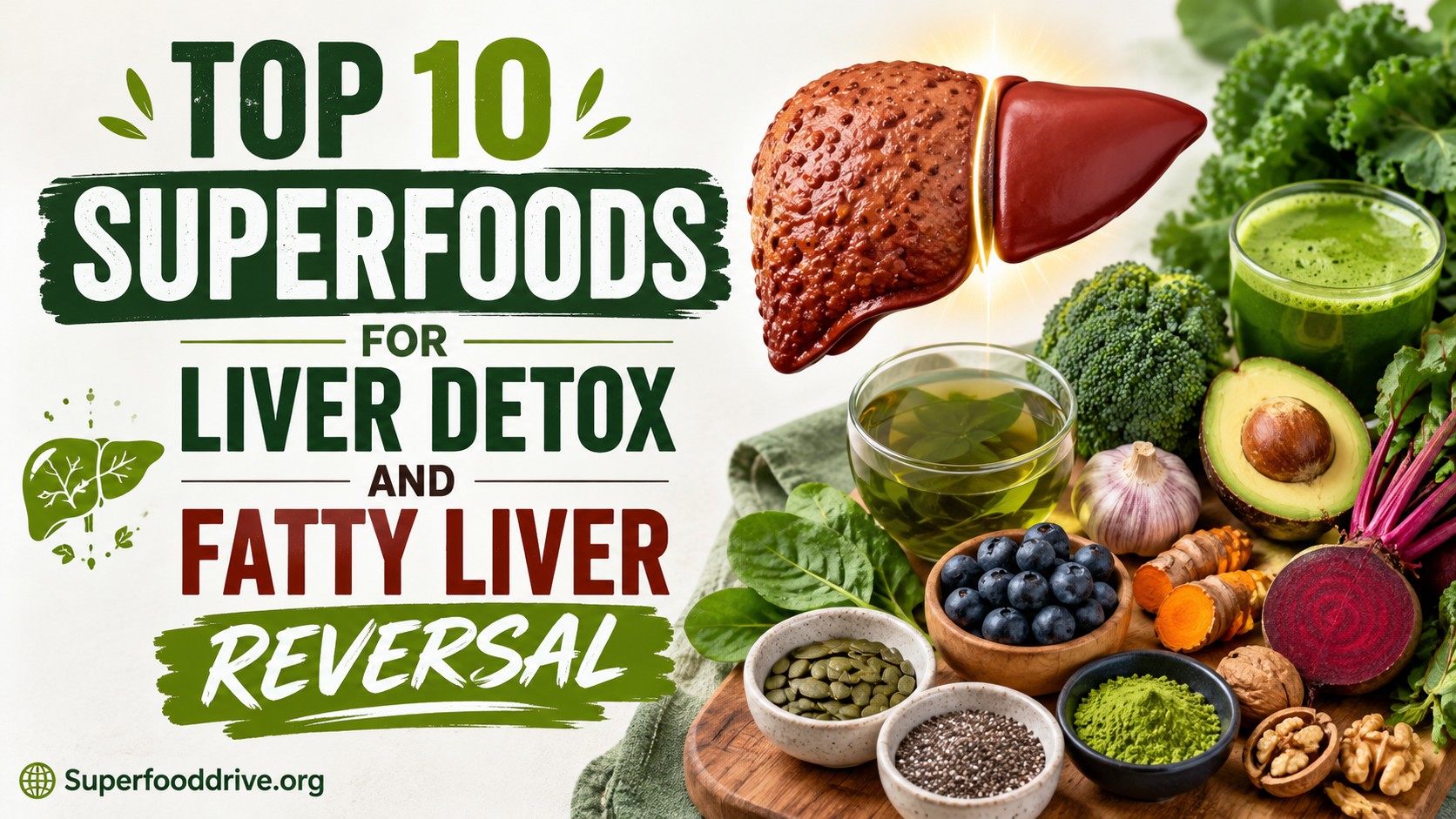
Fatty liver disease affects over 100 million Americans, and most do not even know they have it. Your liver works silently to filter toxins, produce bile for digestion, and store essential nutrients. When excess fat builds up in liver cells, this critical organ cannot function properly, leading to inflammation, scarring, and potentially cirrhosis or liver cancer.
The good news is that your liver is remarkably resilient. With the right superfoods for liver detox and fatty liver reversal, you can support your body’s natural healing process. I have researched the science behind liver-friendly nutrition and compiled the most effective foods backed by peer-reviewed studies.
Here are the 5 super foods for the liver that research consistently supports: cruciferous vegetables, fatty fish, olive oil, coffee, and nuts. Each contains specific compounds that activate detoxification pathways, reduce inflammation, and help your liver shed excess fat naturally.
Table of Contents
What Is Fatty Liver Disease and Why Superfoods Help
Fatty liver disease, now called metabolic dysfunction-associated steatotic liver disease (MASLD) or traditionally known as NAFLD, occurs when more than 5% of your liver weight is fat. This happens when your body creates too much fat or cannot metabolize it efficiently. Obesity, type 2 diabetes, high cholesterol, and poor diet are the primary culprits.
Your liver is your body’s primary detoxification center. It processes everything you eat, drink, breathe, and absorb through your skin. When overwhelmed by excess fat, sugar, and toxins, liver cells become damaged and inflamed. Over time, this can progress to fibrosis, cirrhosis, and even liver failure.
Superfoods help reverse this damage through multiple mechanisms. Antioxidants neutralize free radicals that damage liver cells. Fiber helps regulate blood sugar and reduces the fat that gets deposited in the liver. Omega-3 fatty acids reduce inflammation throughout the body, including the liver. Specific compounds like glucosinolates found in cruciferous vegetables actually activate your liver’s natural detoxification enzymes.
Research from Johns Hopkins Medicine confirms that diet and lifestyle changes are the primary treatment for fatty liver disease. Medications can help manage symptoms, but food is the foundation of healing.
Top 10 Superfoods for Liver Detox and Fatty Liver Reversal
These superfoods contain the specific nutrients your liver needs to repair itself and function optimally. I have organized them by their primary benefit to help you build a liver-healing diet.
1. Cruciferous Vegetables: The Detox Powerhouses
Broccoli, Brussels sprouts, cauliflower, kale, and cabbage contain high levels of glucosinolates. These sulfur-containing compounds activate phase II detoxification enzymes in your liver, helping your body eliminate carcinogens and other harmful substances more efficiently.
A study published in the World Journal of Gastroenterology found that broccoli sprout extract significantly improved liver enzyme levels in people with fatty liver disease. The sulforaphane in these vegetables also boosts glutathione production. Glutathione is your liver’s master antioxidant that neutralizes toxins and protects liver cells from damage.
I recommend consuming at least 2 cups of cruciferous vegetables daily. Steam them lightly to preserve nutrients, or enjoy them raw in salads. Roasting Brussels sprouts with a drizzle of olive oil brings out their natural sweetness while adding healthy fats that improve nutrient absorption.
2. Fatty Fish: Omega-3 for Inflammation Reduction
Salmon, sardines, mackerel, and herring are rich in EPA and DHA, the long-chain omega-3 fatty acids that actively reduce liver fat and inflammation. Research published in Hepatology International demonstrated that omega-3 supplementation decreased liver fat by up to 50% in some patients with NAFLD.
These fatty acids work by improving insulin sensitivity and reducing triglyceride levels. When your cells respond better to insulin, your liver stores less fat. The anti-inflammatory effects also help prevent the progression from simple fatty liver to more serious inflammatory conditions.
Aim for 3-4 servings of fatty fish per week, with each serving being approximately 4-6 ounces. If fresh fish is not available or affordable, canned wild-caught salmon and sardines are excellent alternatives that provide the same benefits at a lower cost.
3. Olive Oil: Liquid Gold for Your Liver
Extra virgin olive oil is a cornerstone of the Mediterranean diet and one of the most studied foods for liver health. Its high content of monounsaturated fats helps decrease liver fat accumulation while its polyphenols provide powerful antioxidant protection.
A landmark study in the journal Nutrition showed that daily consumption of olive oil improved insulin sensitivity and reduced liver enzyme levels in people with fatty liver disease. The oleic acid in olive oil specifically targets the mechanisms that cause fat to build up in liver cells.
Use 2-3 tablespoons of extra virgin olive oil daily. Drizzle it over salads, use it for low-heat cooking, or dip whole grain bread into it. Never heat olive oil to smoking point, as this destroys the beneficial polyphenols. Store it in a dark, cool place to preserve freshness.
4. Coffee: Your Morning Liver Protector
Your morning coffee habit might be one of the best things you can do for your liver. Multiple large-scale studies have shown that coffee drinkers have significantly lower rates of liver disease, including cirrhosis and liver cancer. The protective effects are dose-dependent, with 3 cups daily showing optimal benefits.
Coffee contains chlorogenic acid, caffeine, and other bioactive compounds that reduce fat accumulation in liver cells and protect against fibrosis. Research from the University of Chicago Medicine specifically recommends coffee for patients with fatty liver disease as part of their treatment plan.
Drink 2-3 cups of black coffee daily for maximum benefit. Avoid loading it with sugar or high-fat creamers, which counteract the positive effects. If you cannot tolerate caffeine, decaf coffee still provides liver benefits, though to a lesser degree.
5. Green Tea: Catechin Power for Liver Cells
Green tea is packed with catechins, particularly epigallocatechin gallate (EGCG), which has been shown to reduce liver fat and improve enzyme levels in people with fatty liver disease. These powerful antioxidants reduce oxidative stress and inflammation in liver tissue.
A meta-analysis published in the International Journal of Clinical and Experimental Medicine found that green tea significantly reduced liver fat content and improved liver function tests. The effects were most pronounced when participants drank 3-5 cups daily over at least 12 weeks.
Brew green tea with water heated to about 175 degrees Fahrenheit to preserve the catechins. Avoid bottled green tea products, which are often loaded with sugar and contain minimal beneficial compounds. Fresh brewed tea provides the full spectrum of liver-supporting polyphenols.
6. Nuts and Seeds: Vitamin E and Healthy Fats
Walnuts, almonds, chia seeds, and flaxseeds provide a triple benefit for liver health. They contain vitamin E, a potent antioxidant that protects liver cells from damage. Their omega-3 fatty acids reduce inflammation. Their fiber content helps regulate blood sugar and cholesterol levels.
Research published in the Journal of Nutrition found that eating nuts was associated with lower levels of liver enzymes, indicating reduced liver stress and inflammation. Walnuts are particularly beneficial due to their high omega-3 content.
Consume a small handful of nuts (about 1 ounce) daily. Add chia or ground flaxseed to smoothies, oatmeal, or yogurt for an easy fiber and omega-3 boost. Choose raw or dry-roasted nuts without added salt, sugar, or oils.
7. Berries: Anthocyanin Antioxidants
Blueberries, cranberries, strawberries, and raspberries are rich in anthocyanins, the pigments that give them their deep colors. These compounds have powerful anti-inflammatory and antioxidant effects that specifically benefit liver health.
A study in the World Journal of Gastroenterology demonstrated that blueberry extract helped prevent liver fibrosis in animal models. Human studies show that regular berry consumption improves antioxidant capacity and reduces markers of inflammation throughout the body.
Eat 1 cup of mixed berries daily. Frozen berries are just as nutritious as fresh and are often more affordable. Add them to smoothies, sprinkle them on oatmeal, or enjoy them as a naturally sweet dessert that satisfies cravings without harming your liver.
8. Legumes and Beans: Fiber for Metabolic Health
Beans, lentils, chickpeas, and peas are excellent sources of resistant starch and fiber, which feed beneficial gut bacteria and help regulate blood sugar. Stable blood sugar means less insulin floating around your bloodstream, which translates to less fat storage in your liver.
The Mayo Clinic specifically recommends legumes as part of their fatty liver disease diet protocol. Their high protein content also helps you feel full and satisfied, making weight loss easier. Weight loss of just 5-10% can significantly improve fatty liver disease.
Include 1 cup of cooked legumes in your diet 3-4 times per week. Start slowly if you are not used to eating beans, as the fiber can cause digestive discomfort initially. Rinse canned beans thoroughly to reduce sodium content.
9. Choline-Rich Foods: The Often-Overlooked Nutrient
Choline is an essential nutrient that most people have never heard of, yet it is critical for liver health. Choline helps transport fat out of the liver, preventing it from accumulating in liver cells. Without adequate choline, fat gets trapped in the liver, leading to fatty liver disease.
Eggs are one of the best sources of choline, with one large egg providing about 147 milligrams. Other excellent sources include lean chicken, turkey, cod, and cruciferous vegetables. Research published in the Journal of the American College of Nutrition found that choline deficiency is common in people with fatty liver disease.
Aim for 425-550 milligrams of choline daily. Two eggs provide nearly half your daily needs. If you avoid eggs, focus on poultry and fish along with cruciferous vegetables to meet your requirements. This is one area where competitor articles often fall short, yet forum discussions consistently highlight its importance.
10. Avocado: Glutathione Production Support
Avocados are nutritional powerhouses that support liver health in multiple ways. Their monounsaturated fats help reduce liver fat, similar to olive oil. They are also rich in glutathione precursors that help your liver produce this master antioxidant naturally.
Research from the journal Nutrients showed that avocado consumption improved markers of metabolic syndrome, which is closely linked to fatty liver disease. The fiber in avocados also helps regulate blood sugar and supports healthy gut bacteria.
Eat half an avocado daily. Add it to salads, spread it on whole grain toast, or blend it into smoothies for creaminess. The healthy fats in avocado also help your body absorb fat-soluble vitamins from other foods, amplifying their benefits.
The Mediterranean Diet: The Gold Standard for Fatty Liver Reversal
The Mediterranean diet is consistently ranked as the best overall diet by health experts, and for good reason. Research from the University of Chicago Medicine and other leading institutions identifies it as the optimal eating pattern for fatty liver disease reversal.
This eating pattern emphasizes olive oil as the primary fat source, abundant vegetables and fruits, whole grains instead of refined carbs, legumes, nuts, and fish. Poultry, eggs, and dairy are consumed in moderation. Red meat and sweets are limited to occasional treats.
Multiple studies have shown that following a Mediterranean diet reduces liver fat even without weight loss. When combined with modest weight reduction, the benefits are even more dramatic. The combination of anti-inflammatory foods, healthy fats, and fiber creates an environment where your liver can heal.
To transition to a Mediterranean eating pattern, start by switching to olive oil for cooking and dressing. Add one extra serving of vegetables to each meal. Replace red meat with fish twice per week. Choose whole grain bread, pasta, and rice instead of white versions. These simple swaps create a foundation for liver healing.
Foods to Avoid With Fatty Liver Disease
Knowing what not to eat is just as important as knowing which superfoods to include. These foods actively promote fat accumulation in the liver and should be minimized or eliminated entirely.
Added Sugars and Sugary Beverages
Sugar is the single worst food for your liver. When you consume excess sugar, especially fructose, your liver converts it directly to fat through a process called de novo lipogenesis. Sugary beverages are particularly harmful because they deliver massive amounts of sugar without making you feel full.
Soda, fruit juice, sweetened coffee drinks, and energy drinks should be eliminated completely. Even 100% fruit juice contains concentrated sugar without the fiber that whole fruit provides. Read labels carefully and avoid products with high fructose corn syrup, which is especially taxing on the liver.
Refined Carbohydrates
White bread, white rice, regular pasta, and baked goods made with white flour spike your blood sugar and insulin levels. High insulin promotes fat storage throughout your body, including in your liver. These foods also lack the fiber that helps regulate blood sugar and supports digestive health.
Replace refined carbs with whole grain alternatives. Choose steel-cut oats or quinoa for breakfast instead of sugary cereals. Opt for brown rice or cauliflower rice instead of white rice. Select whole grain bread with visible seeds and grains. These swaps provide nutrients while stabilizing blood sugar.
Saturated and Trans Fats
Fatty cuts of red meat, processed meats like bacon and sausage, butter, and fried foods contain high levels of saturated fat that contribute to liver inflammation. Trans fats, found in some margarines and processed baked goods, are even worse and should be avoided entirely.
Limit red meat to once or twice per week, choosing lean cuts when you do eat it. Eliminate processed meats, which are also linked to increased cancer risk. Cook with olive oil instead of butter. Bake, grill, or steam foods instead of frying them.
Alcohol Considerations
Alcohol is toxic to the liver, and even moderate consumption can worsen fatty liver disease. When you already have excess fat in your liver, adding alcohol creates a double burden that accelerates damage and inflammation.
Most hepatologists recommend complete abstinence from alcohol for people with fatty liver disease. If complete abstinence is not possible, limit intake to rare occasions and never exceed one drink per day for women or two for men. Discuss your specific situation with your healthcare provider.
Lifestyle Tips Beyond Diet
While superfoods for liver detox and fatty liver reversal form the foundation of treatment, lifestyle factors play a crucial role in your healing journey. These habits amplify the benefits of your dietary changes and speed your progress.
Achieve Gradual Weight Loss
Losing 5-10% of your body weight can dramatically improve fatty liver disease. For a 200-pound person, that means losing just 10-20 pounds. This modest reduction reduces liver fat, decreases inflammation, and improves liver enzyme levels.
Focus on slow, sustainable weight loss of 1-2 pounds per week. Crash diets and extreme calorie restriction can actually worsen fatty liver by releasing stored fat too quickly. The superfoods outlined in this article naturally support gradual weight loss while providing essential nutrients.
Incorporate Regular Exercise
Physical activity helps burn triglycerides for fuel and reduces liver fat independent of weight loss. Both aerobic exercise and resistance training benefit liver health. You do not need to run marathons to see results.
Aim for 150 minutes of moderate-intensity exercise per week, which breaks down to just 30 minutes, five days a week. Brisk walking, swimming, cycling, or dancing all count. Add strength training twice weekly to build muscle, which improves insulin sensitivity and metabolic health.
Practice Mindful Meal Timing
When you eat matters almost as much as what you eat. Giving your liver breaks between meals allows it to process stored fat rather than constantly handling incoming calories. Consider adopting a 12-hour overnight fast, finishing dinner by 7 PM and eating breakfast at 7 AM.
Avoid late-night snacking, which forces your liver to work overtime while you sleep. Front-load your day with a protein-rich breakfast and make lunch your largest meal. A lighter dinner is easier on your liver and supports better sleep quality.
Stay Hydrated
Water helps your liver flush toxins more efficiently. Aim for 8-10 glasses daily, more if you exercise or live in a hot climate. Herbal teas count toward your fluid intake and can provide additional antioxidant benefits.
Replace sugary drinks with water infused with lemon, cucumber, or berries for flavor. Start your day with a glass of water before coffee. Carry a reusable water bottle to track your intake throughout the day.
Realistic Timeline for Results
One of the most common questions in fatty liver forums is “How long until I see results?” The honest answer is that it varies by individual, but most people notice improvements within 3-6 months of consistent dietary and lifestyle changes.
Liver enzyme levels typically improve within 8-12 weeks. Ultrasound evidence of reduced liver fat may take 3-6 months to become apparent. Significant reversal of fatty liver disease generally requires 6-12 months of sustained healthy habits. Patience and consistency are essential.
Get regular checkups with your healthcare provider to monitor your progress. Blood tests measuring ALT, AST, and other liver enzymes provide objective feedback on your improvements. This data helps you stay motivated when the scale is not moving as quickly as you would like.
Frequently Asked Questions
What foods help detox a fatty liver?
The best foods for fatty liver detox include cruciferous vegetables like broccoli and Brussels sprouts, fatty fish rich in omega-3s, olive oil, coffee, green tea, nuts, berries, legumes, and choline-rich foods like eggs. These superfoods activate liver detoxification enzymes, reduce inflammation, and help your liver shed excess fat naturally.
How to flush fatty liver naturally?
To flush fatty liver naturally, eliminate added sugars and refined carbohydrates, consume 2-3 cups of cruciferous vegetables daily, eat fatty fish 3-4 times per week, drink 2-3 cups of coffee and 3-5 cups of green tea daily, lose 5-10% of your body weight gradually, exercise 150 minutes per week, and follow a Mediterranean diet pattern. These changes support your liver’s natural detoxification processes.
What are the 5 super foods for the liver?
The 5 super foods for the liver are: 1) Cruciferous vegetables (broccoli, Brussels sprouts) for glucosinolates that activate detox enzymes, 2) Fatty fish (salmon, sardines) for omega-3s that reduce inflammation, 3) Olive oil for monounsaturated fats that decrease liver fat, 4) Coffee for protective compounds that prevent fibrosis, and 5) Nuts for vitamin E and healthy fats that improve liver enzymes.
Can liver detox reverse fatty liver?
Yes, liver detox through dietary changes can reverse fatty liver disease when done consistently. The liver has remarkable regenerative capacity. Research shows that losing 5-10% of body weight, eliminating sugar and refined carbs, and consuming liver-supporting superfoods can reduce liver fat by 30-50% within 3-6 months. However, advanced stages with significant scarring may not be fully reversible.
What foods clear up fatty liver?
Foods that clear up fatty liver include those high in omega-3 fatty acids like salmon and walnuts, antioxidant-rich berries, fiber-filled vegetables and legumes, and healthy fats from olive oil and avocados. These foods work by reducing inflammation, improving insulin sensitivity, and helping the liver metabolize stored fat more efficiently.
How can I shrink my fatty liver fast?
To shrink your fatty liver as quickly as possible, eliminate all added sugars and sugary beverages immediately, stop eating refined carbohydrates like white bread and pasta, lose 5-10% of your body weight through a calorie deficit, exercise 30 minutes daily, drink coffee and green tea daily, and eat cruciferous vegetables at every meal. While there is no overnight cure, these changes produce measurable improvements in liver enzyme levels within 8-12 weeks.
What foods reverse fatty liver?
The most effective foods for reversing fatty liver are fatty fish (salmon, mackerel, sardines) for omega-3s, cruciferous vegetables for detoxification support, olive oil for healthy monounsaturated fats, nuts for vitamin E, coffee for liver protection, and berries for antioxidants. These superfoods reduce liver fat accumulation, decrease inflammation, and support the liver’s natural regenerative abilities when consumed consistently as part of a Mediterranean-style diet.
How long does it take to reverse fatty liver?
Most people see improvements in liver enzyme levels within 8-12 weeks of dietary and lifestyle changes. Significant reduction in liver fat typically occurs within 3-6 months. Complete reversal of mild fatty liver disease usually takes 6-12 months of sustained healthy habits. The timeline varies based on starting severity, adherence to the diet, amount of weight lost, and individual metabolic factors. Regular monitoring with your healthcare provider helps track progress.
Conclusion: Your Path to Liver Health
Superfoods for liver detox and fatty liver reversal are not exotic or expensive ingredients found only in specialty stores. They are everyday foods like broccoli, salmon, olive oil, and coffee that contain specific compounds your liver needs to heal and function optimally. The science is clear: dietary changes can reverse fatty liver disease when applied consistently.
Start with one or two changes from this guide rather than trying to overhaul everything at once. Maybe you begin by adding a daily cup of coffee and replacing your cooking oil with olive oil. Once those habits stick, add more cruciferous vegetables to your meals. Small, sustainable changes compound into dramatic results over time.
Remember that your liver is remarkably resilient. It wants to heal, and it will respond to the support you provide through nutrition and lifestyle. Work with your healthcare provider to monitor your progress through regular blood tests and imaging when appropriate. With patience, consistency, and the right superfoods, you can support your liver’s journey back to health in 2026.