
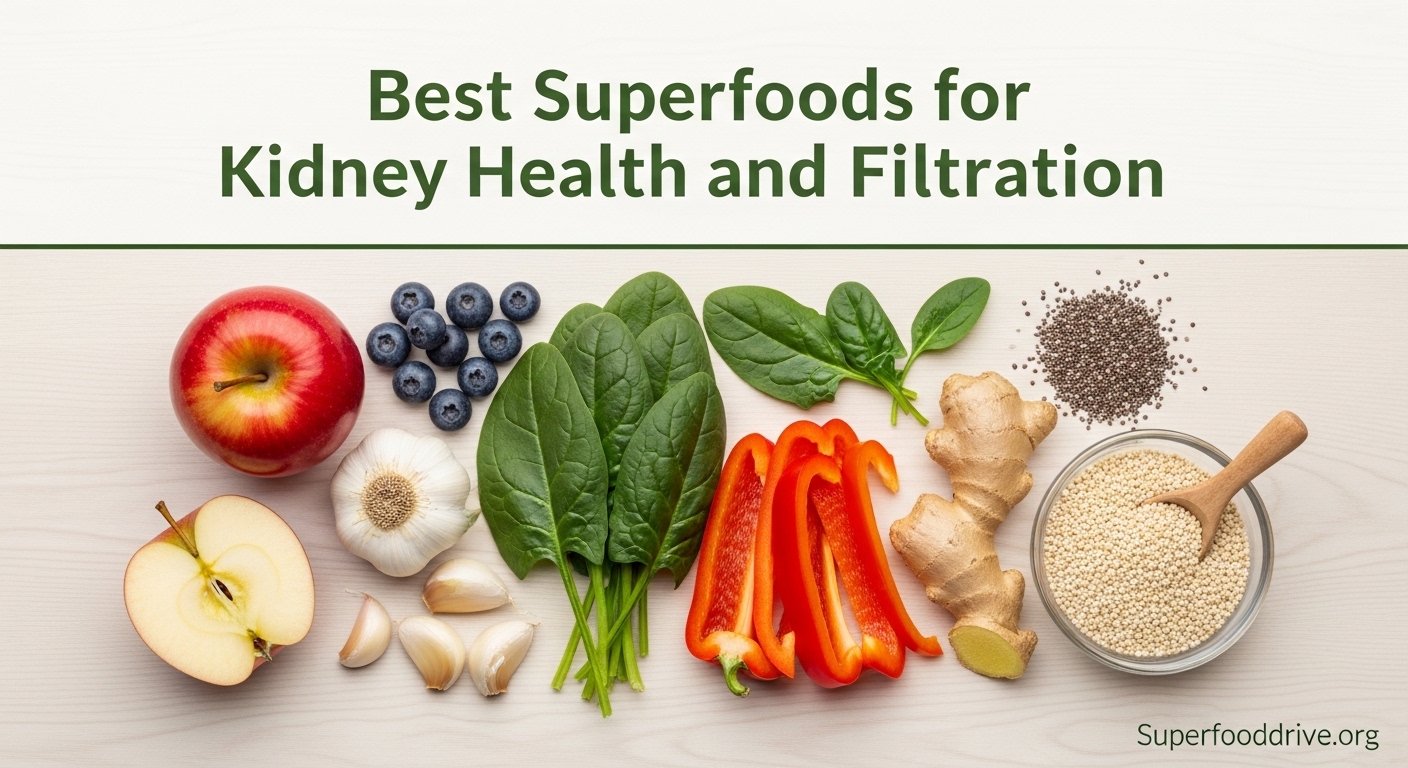
Your kidneys work tirelessly every day, filtering roughly 200 quarts of blood to remove waste, balance fluids, and regulate essential minerals. I have spent months researching nutrition science and consulting the latest medical guidelines to bring you this comprehensive guide on superfoods for kidney health and filtration. Whether you are looking to prevent kidney issues, support existing kidney function, or simply eat healthier, the right foods can make a remarkable difference in how your kidneys perform.
What you eat directly impacts the workload placed on your kidneys. Every bite either supports their function or adds to the burden of filtration. This guide explains which superfoods help your kidneys thrive while keeping the filtration process running smoothly.
Table of Contents
What Is Kidney Filtration and Why It Matters
Kidney filtration is the process your body uses to clean your blood and remove waste products. Each kidney contains about one million tiny filters called nephrons. These nephrons act like microscopic sieves, separating useful substances from waste materials every single minute of every day.
The filtration process starts when blood enters your kidneys through the renal arteries. Inside each nephron, a structure called the glomerulus acts as the primary filter. It allows water, salts, glucose, and waste products to pass through while keeping larger proteins and blood cells in the bloodstream. This filtered fluid then travels through a series of tubules that reabsorb beneficial nutrients back into your blood while channeling waste into your urine.
Your glomerular filtration rate, or eGFR, measures how well your kidneys are filtering. A normal eGFR ranges from 90 to 120 milliliters per minute. As kidney function declines, this number drops, indicating that waste products may be building up in your bloodstream. This is why supporting kidney filtration through diet becomes increasingly important as we age or face health challenges.
When kidneys struggle to filter properly, waste accumulates in your blood. This can lead to fatigue, swelling, high blood pressure, and eventually more serious complications. The foods you choose directly affect this filtration process. Foods high in sodium, potassium, or phosphorus force your kidneys to work harder. Conversely, nutrient-dense superfoods provide essential vitamins and antioxidants while generating less waste for your kidneys to process.
What Makes a Food a ‘Superfood’ for Kidneys
A kidney superfood delivers maximum nutritional benefit while placing minimal stress on your filtration system. These foods are naturally low in sodium, potassium, and phosphorus. They contain high levels of antioxidants, vitamins, and anti-inflammatory compounds that protect kidney cells from damage.
Superfoods for kidney health share several common characteristics. They provide anti-inflammatory benefits that reduce stress on kidney tissues. They deliver antioxidants that neutralize free radicals before they can damage delicate nephron structures. They offer high nutrient density relative to their mineral content, meaning you get more vitamins per milligram of kidney-filtering work.
The best kidney superfoods also support cardiovascular health. Your heart and kidneys work closely together, and what benefits one typically benefits the other. Foods that help regulate blood pressure and reduce arterial inflammation support both organs simultaneously. This dual benefit makes smart food choices even more powerful for long-term health.
The 10 Best Superfoods for Kidney Health and Filtration
After reviewing medical research and nutritional data from leading kidney health organizations, I have identified ten standout superfoods that consistently support kidney function. Each food on this list offers specific benefits for filtration and overall renal health.
1. Blueberries
Blueberries top our list because they pack extraordinary antioxidant power with minimal potassium content. These small berries contain anthocyanins, the compounds that give them their deep blue color. Anthocyanins reduce inflammation and protect blood vessel walls throughout your body, including the delicate vessels in your kidneys.
A one-cup serving of fresh blueberries contains only about 114 milligrams of potassium. This makes them safe for most kidney patients while delivering vitamin C, manganese, and fiber. Research from the National Kidney Foundation highlights blueberries as particularly beneficial for their ability to reduce oxidative stress on kidney tissues.
I recommend adding blueberries to breakfast cereals, blending them into smoothies, or simply enjoying them as a fresh snack. Frozen blueberries retain most of their nutritional value and work well in oatmeal or yogurt parfaits. Aim for at least one serving several times per week to maximize their protective benefits.
2. Red Bell Peppers
Red bell peppers deliver more vitamin C per serving than oranges while keeping potassium levels remarkably low. One medium red bell pepper contains approximately 150 milligrams of vitamin C and only about 210 milligrams of potassium. This makes them one of the best vegetable choices for anyone monitoring their renal diet.
These vibrant vegetables also contain lycopene, the same antioxidant found in tomatoes that gives them their red color. Lycopene supports cardiovascular health and may help protect against certain cancers. For kidney patients, the combination of high vitamin content and low mineral load makes red bell peppers a daily staple worth embracing.
Raw red bell peppers make excellent snacks when sliced and paired with low-phosphorus dips. They add sweetness and crunch to salads without the potassium load of many other colorful vegetables. Roasting brings out their natural sweetness and creates a versatile ingredient for grain bowls or side dishes.
3. Cabbage
Cabbage belongs to the cruciferous vegetable family and offers exceptional value for kidney health. This humble vegetable provides substantial vitamin K, vitamin C, and fiber while remaining low in potassium and phosphorus. One cup of cooked cabbage contains only about 150 milligrams of potassium.
The phytochemicals in cabbage, particularly sulforaphane and indoles, support your body’s natural detoxification processes. These compounds help activate enzymes that reduce toxin loads, indirectly supporting kidney function by reducing the overall waste your kidneys must filter. Cabbage also contains B vitamins that support cellular energy production.
Shredded cabbage forms the base of kidney-friendly coleslaws when dressed with olive oil and vinegar instead of high-sodium mayonnaise. Steamed cabbage makes a simple, nutritious side dish. Fermented cabbage in the form of sauerkraut can provide beneficial probiotics, though you should choose low-sodium varieties to protect your kidneys.
4. Cauliflower
Cauliflower has earned its reputation as a versatile vegetable that can substitute for higher-potassium foods in countless recipes. One cup of cooked cauliflower contains about 170 milligrams of potassium and provides substantial vitamin C, folate, and fiber. This makes it an ideal base for kidney-friendly meals.
As a cruciferous vegetable, cauliflower delivers many of the same protective phytochemicals as cabbage and broccoli. These compounds support liver function and help your body process toxins efficiently. When your liver works well, your kidneys face less detoxification burden, creating a supportive partnership between these vital organs.
Riced cauliflower makes an excellent low-potassium substitute for regular rice. Mashed cauliflower with olive oil and garlic mimics the comfort of mashed potatoes without the potassium load. Roasted cauliflower florets develop a nutty flavor that satisfies cravings for more indulgent foods while supporting your renal health goals.
5. Fatty Fish (Salmon, Mackerel, Sardines)
Fatty fish provide omega-3 fatty acids that reduce inflammation throughout your body, including in your kidneys. Salmon, mackerel, sardines, and herring contain EPA and DHA, the most bioavailable forms of omega-3s. These healthy fats help regulate blood pressure and reduce the risk of cardiovascular disease, which often accompanies kidney problems.
A three-ounce serving of salmon delivers about 20 grams of high-quality protein along with significant anti-inflammatory benefits. For kidney patients, the protein content requires portion awareness, but the cardiovascular benefits make fatty fish worth including in a balanced renal diet. The omega-3s in these fish specifically help protect the blood vessels that supply your kidneys.
I recommend enjoying fatty fish two to three times per week. Baking, grilling, or poaching preserves the nutritional value better than frying. Pair your fish with kidney-friendly vegetables like those on this list for a complete, supportive meal. Choose wild-caught options when possible to minimize exposure to environmental contaminants.
6. Garlic
Garlic offers remarkable benefits for kidney health without adding sodium to your diet. This aromatic bulb contains allicin and other sulfur compounds that reduce inflammation and support cardiovascular health. Garlic also provides a small amount of manganese and vitamin B6 while adding intense flavor that helps compensate for reduced salt intake.
The anti-inflammatory properties of garlic extend to your blood vessels, helping maintain healthy circulation to your kidneys. Some research suggests garlic may help reduce blood pressure slightly, which benefits kidney function since high blood pressure is a leading cause of kidney damage. Garlic also possesses mild antimicrobial properties that support overall immune function.
Fresh garlic delivers the most potent benefits, though powder and granulated forms work well for cooking. Roast whole garlic cloves to mellow their flavor and spread the soft result on bread or mix into vegetable dishes. Add minced garlic to olive oil for flavorful sautés that never miss the salt. One to two cloves daily provides therapeutic benefits without overwhelming your palate.
7. Egg Whites
Egg whites provide one of the highest quality proteins available while keeping phosphorus content minimal. Unlike whole eggs, which contain significant phosphorus in the yolk, egg whites deliver pure protein with almost no phosphorus or potassium. This makes them ideal for kidney patients who need protein but must limit mineral intake.
The protein in egg whites contains all essential amino acids in ratios that your body can use efficiently. This bioavailability means your body produces less nitrogenous waste during protein metabolism, reducing the filtration burden on your kidneys. For those with advanced kidney disease, this efficient protein utilization becomes particularly valuable.
Egg whites work in countless preparations. Make vegetable-packed omelets using mostly whites with one yolk for color. Whip whites into smoothies for protein without the mineral load. Hard-boiled whites make convenient portable snacks. For baking, egg whites provide structure without adding phosphorus that whole eggs would contribute.
8. Cranberries
Cranberries support urinary tract health through unique compounds called proanthocyanidins. These substances prevent bacteria from adhering to urinary tract walls, reducing infection risk. While often associated with bladder health, this protective function indirectly supports kidneys by preventing infections from ascending to these vital organs.
Fresh cranberries are quite low in potassium, containing about 80 milligrams per cup. They also provide vitamin C and fiber while adding bright flavor to dishes. The tartness of cranberries works well in both sweet and savory applications, making them a versatile addition to a kidney-friendly diet.
Choose fresh or frozen cranberries over dried varieties, which often contain added sugars and concentrated minerals. Make a low-sugar cranberry sauce to accompany poultry dishes. Add fresh cranberries to smoothies or oatmeal for tart bursts of flavor. Cranberry juice can be part of a renal diet, but select unsweetened versions and monitor portion sizes carefully.
9. Leafy Greens (Kale, Spinach in Moderation)
Leafy greens like kale and collard greens provide exceptional nutrition for kidney health when consumed in appropriate portions. These vegetables deliver vitamin K, folate, fiber, and numerous antioxidants. However, some leafy greens contain higher potassium levels, requiring portion awareness for those with advanced kidney disease.
Kale offers impressive nutrient density with reasonable potassium content when eaten in moderate amounts. A one-cup serving of cooked kale contains about 420 milligrams of potassium, which fits within daily limits when portioned appropriately. The vitamin K in kale supports blood clotting and bone health, both important concerns for kidney patients.
For those monitoring potassium closely, lighter greens like romaine lettuce or mixed salad greens provide leafy vegetable benefits with lower mineral content. Collard greens, traditionally cooked with sodium-laden seasonings, can be prepared with garlic and olive oil instead for a kidney-supportive side dish. Always balance leafy green intake with other low-potassium vegetables throughout your day.
10. Olive Oil
Olive oil serves as the foundation of kidney-friendly cooking, providing healthy fats without any sodium, potassium, or phosphorus. Extra virgin olive oil contains oleic acid and polyphenols that reduce inflammation and protect cardiovascular health. This makes it the ideal fat source for anyone concerned about kidney function.
The anti-inflammatory compounds in olive oil specifically benefit the endothelial cells lining your blood vessels. Healthy blood vessels maintain proper blood flow to your kidneys, supporting their filtration function. Research consistently links olive oil consumption to better cardiovascular outcomes, which directly correlates with kidney health preservation.
Use extra virgin olive oil for low to medium heat cooking, sautéing, and as a finishing oil for vegetables and grains. The robust flavor means you need less salt to make dishes taste complete. One to two tablespoons daily provides therapeutic benefits while adding satisfying richness to renal-friendly meals. Choose cold-pressed, extra virgin varieties for the highest polyphenol content.
Minerals to Watch: Sodium, Potassium, and Phosphorus
Understanding the three key minerals for kidney health helps you make informed food choices. Sodium, potassium, and phosphorus all require attention when supporting kidney filtration. Each plays a different role in your body and requires different management strategies.
Sodium poses the most immediate challenge for kidney patients. Most guidelines recommend limiting sodium to 2,300 milligrams daily, with stricter limits of 1,500 milligrams for those with kidney disease or high blood pressure. Excess sodium causes fluid retention, increases blood pressure, and forces kidneys to work harder to maintain proper balance. Reading labels becomes essential, as processed foods often contain hidden sodium far exceeding what you would add at the table.
Potassium requires individualized management based on your kidney function stage. Early-stage kidney disease may not require potassium restriction, while advanced cases often need strict limits. Normal blood potassium ranges from 3.5 to 5.0 milliequivalents per liter. Your healthcare provider will monitor your levels and advise appropriate dietary restrictions. Many healthy foods contain potassium, so working with a renal dietitian helps you balance nutrition with safety.
Phosphorus often hides in unexpected places. Food manufacturers add phosphorus compounds as preservatives, anti-caking agents, and leavening agents. These additives appear on ingredient lists with “phos-” prefixes. Natural phosphorus from whole foods is less concerning than added phosphorus from processed products. For those with kidney disease, keeping phosphorus below 1,000 milligrams daily helps prevent bone and cardiovascular complications.
Working with a registered dietitian who specializes in renal nutrition provides invaluable guidance. They can analyze your specific lab results, recommend appropriate mineral limits, and create meal plans that meet your needs without feeling restrictive. This professional support makes following a kidney-friendly diet sustainable and effective.
The DASH Diet Connection for Kidney Health
The Dietary Approaches to Stop Hypertension, or DASH diet, aligns remarkably well with kidney health goals. Originally developed to lower blood pressure, this eating pattern naturally supports kidney function through its emphasis on whole foods and limited sodium. Many kidney superfoods form the foundation of the DASH approach.
The DASH diet emphasizes fruits, vegetables, whole grains, lean proteins, and low-fat dairy while minimizing saturated fats and added sugars. This creates a nutrient profile that reduces inflammation and supports cardiovascular health. Since high blood pressure causes more cases of kidney disease than any other factor, following DASH principles protects your kidneys at their most vulnerable point.
Nine of the ten superfoods on our list fit seamlessly into a DASH eating pattern. The focus on plant foods provides antioxidants and fiber while keeping mineral loads manageable. The inclusion of fatty fish delivers omega-3 benefits that both diets emphasize. Even the recommendation to use olive oil aligns with DASH guidance on healthy fat sources.
Research published in the American Journal of Kidney Diseases found that adhering to DASH principles slowed kidney function decline in study participants. This evidence supports what many nephrologists observe clinically. Patients who adopt DASH-style eating patterns often see improvements in blood pressure, cholesterol, and markers of kidney function. The diet works because it addresses the root causes of kidney stress rather than just managing symptoms.
Foods to Limit or Avoid for Better Kidney Filtration
Knowing what to avoid matters as much as knowing what to eat. Certain foods place unnecessary stress on your kidneys, accelerating function decline and complicating disease management. Limiting these items creates space in your diet for the superfoods that actually support your health.
Processed and packaged foods top the list of items to minimize. These products contain excessive sodium, often in a single serving more than you should consume in an entire day. Frozen meals, canned soups, snack foods, and deli meats all contribute to sodium overload. They also frequently contain phosphorus additives that bypass your body’s natural regulation systems, creating dangerous spikes in blood phosphorus levels.
Excessive protein intake concerns many kidney patients, though protein needs vary by disease stage. While protein is essential for health, metabolizing large amounts creates nitrogenous waste that kidneys must filter. Those with advanced kidney disease often need to limit protein to 0.6 to 0.8 grams per kilogram of body weight daily. Working with a dietitian helps determine your specific protein requirements while ensuring adequate nutrition.
Sugary beverages, including regular sodas and sweetened teas, contribute empty calories and may accelerate kidney function decline. Some research links sugar-sweetened beverages to increased kidney stone risk and faster progression of chronic kidney disease. Replacing these drinks with water, herbal teas, or diluted unsweetened cranberry juice eliminates this risk while supporting proper hydration.
High-potassium foods require attention for those with advanced kidney disease. Bananas, oranges, potatoes, tomatoes, and dairy products contain substantial potassium that healthy kidneys handle easily but failing kidneys cannot process efficiently. Your healthcare provider will advise if you need to restrict these foods based on your blood test results and disease stage.
Practical Tips for Incorporating Kidney Superfoods
Making dietary changes feels overwhelming at first, but small steps create lasting habits. Our research into community discussions revealed that practical implementation challenges often derail good intentions. These strategies address the real concerns people face when adopting a kidney-friendly diet.
Meal planning simplifies kidney-friendly eating dramatically. Set aside time each weekend to plan your meals for the coming week. Focus on incorporating two or three superfoods daily rather than trying to include everything at once. Build meals around a protein source like egg whites or fish, add two colorful vegetables from our list, and include a small portion of healthy carbohydrates.
Budget constraints concern many people exploring healthier eating. The good news is that many kidney superfoods are remarkably affordable. Cabbage, cauliflower, onions, and garlic cost little while delivering significant benefits. Frozen blueberries and cranberries often cost less than fresh while maintaining nutritional value. Eggs provide inexpensive protein that fits renal diet guidelines when using whites primarily.
Flavor enhancement without salt becomes easier with practice. Lemon juice brightens vegetables and fish without adding sodium. Fresh herbs like basil, cilantro, and parsley add complexity to dishes. Garlic and onion powders provide depth without the salt found in garlic salt or onion salt blends. Experiment with spice blends formulated without sodium to discover new flavor profiles.
Cooking methods affect both nutrition and palatability. Steaming preserves more nutrients than boiling, which leaches water-soluble vitamins into cooking water. Roasting concentrates flavors and creates appealing textures without adding fat. Grilling and broiling work well for fish and poultry when basted with olive oil and herbs. Avoid deep frying, which adds unhealthy fats and creates advanced glycation end products that may stress your kidneys.
Frequently Asked Questions About Kidney Superfoods
What foods help repair kidneys naturally?
Foods that support natural kidney repair include blueberries, red bell peppers, cabbage, cauliflower, fatty fish, garlic, egg whites, cranberries, leafy greens in moderation, and olive oil. These superfoods provide antioxidants and anti-inflammatory compounds while being low in sodium, potassium, and phosphorus. They reduce the workload on kidneys while supplying nutrients that support cellular repair and protect against further damage.
What is a superfood for the kidneys?
A kidney superfood is a nutrient-dense food that provides vitamins, minerals, and antioxidants while being low in sodium, potassium, and phosphorus. These foods support kidney function without overloading the filtration system. Examples include blueberries with their anti-inflammatory anthocyanins, red bell peppers with vitamin C and low potassium, and olive oil with heart-healthy fats that benefit kidney circulation.
What are the 10 superfoods to keep your kidneys healthy?
The 10 best superfoods for kidney health are: 1) Blueberries for antioxidants, 2) Red bell peppers for vitamin C, 3) Cabbage for fiber and phytochemicals, 4) Cauliflower as a versatile low-potassium vegetable, 5) Fatty fish for omega-3 fatty acids, 6) Garlic for flavor without sodium, 7) Egg whites for high-quality protein, 8) Cranberries for urinary tract health, 9) Leafy greens for vitamin K and folate, and 10) Olive oil for healthy fats and anti-inflammatory benefits.
How to increase kidney filtration naturally?
Increase kidney filtration naturally by eating low-sodium superfoods that reduce inflammation, staying properly hydrated without overloading fluids, managing blood pressure through the DASH diet, maintaining healthy blood sugar levels, exercising regularly, and avoiding processed foods with phosphorus additives. Focus on antioxidant-rich foods like blueberries and fatty fish that protect the delicate nephron structures responsible for filtration.
What are 5 signs your kidneys are not working properly?
Five warning signs of declining kidney function include: 1) Fatigue and weakness from anemia and toxin buildup, 2) Swelling in legs, ankles, or face from fluid retention, 3) Changes in urination including frequency, color, or blood in urine, 4) Persistent itching from waste accumulation in the blood, and 5) Nausea and loss of appetite from uremia. If you experience these symptoms, consult a healthcare provider promptly for evaluation.
Supporting Your Kidneys Through Smart Nutrition
Your kidneys perform one of the most vital functions in your body, filtering waste and maintaining balance every moment of every day. The superfoods for kidney health outlined in this guide provide powerful support for these essential organs. By incorporating blueberries, red bell peppers, cabbage, cauliflower, fatty fish, garlic, egg whites, cranberries, leafy greens, and olive oil into your daily meals, you actively reduce the burden on your filtration system while delivering protective nutrients.
Small changes create significant benefits over time. You do not need to transform your entire diet overnight. Start by adding one or two new superfoods this week. Experiment with cauliflower rice instead of white rice. Try roasted red bell peppers as a side dish. Replace your cooking oil with extra virgin olive oil. Each positive choice supports your kidneys and builds momentum toward lasting health improvements.
Remember that individual needs vary, especially if you have existing kidney disease. The guidelines in this article provide a foundation for healthy eating, but personalized advice from your healthcare team ensures optimal results. A registered dietitian specializing in renal nutrition can tailor these recommendations to your specific condition, lab values, and preferences. Regular monitoring of your kidney function through blood tests helps track your progress and adjust your approach as needed.
Superfoods for kidney health and filtration represent an opportunity to take control of your wellbeing through the choices you make at every meal. The power to support your kidneys lies in your hands, or more accurately, on your plate. Start today, and your kidneys will thank you for years to come.