
When I found out I was expecting my first child, I suddenly became hyper-aware of everything I was eating. The questions kept coming: Am I getting enough folate? Is this food safe for the baby? Why am I craving pickles at 2 AM?
If you are pregnant or planning to be, you have probably asked similar questions. The good news is that eating well during pregnancy does not require exotic ingredients or expensive supplements. The best superfoods for pregnancy are often simple, whole foods packed with the nutrients your growing baby needs.
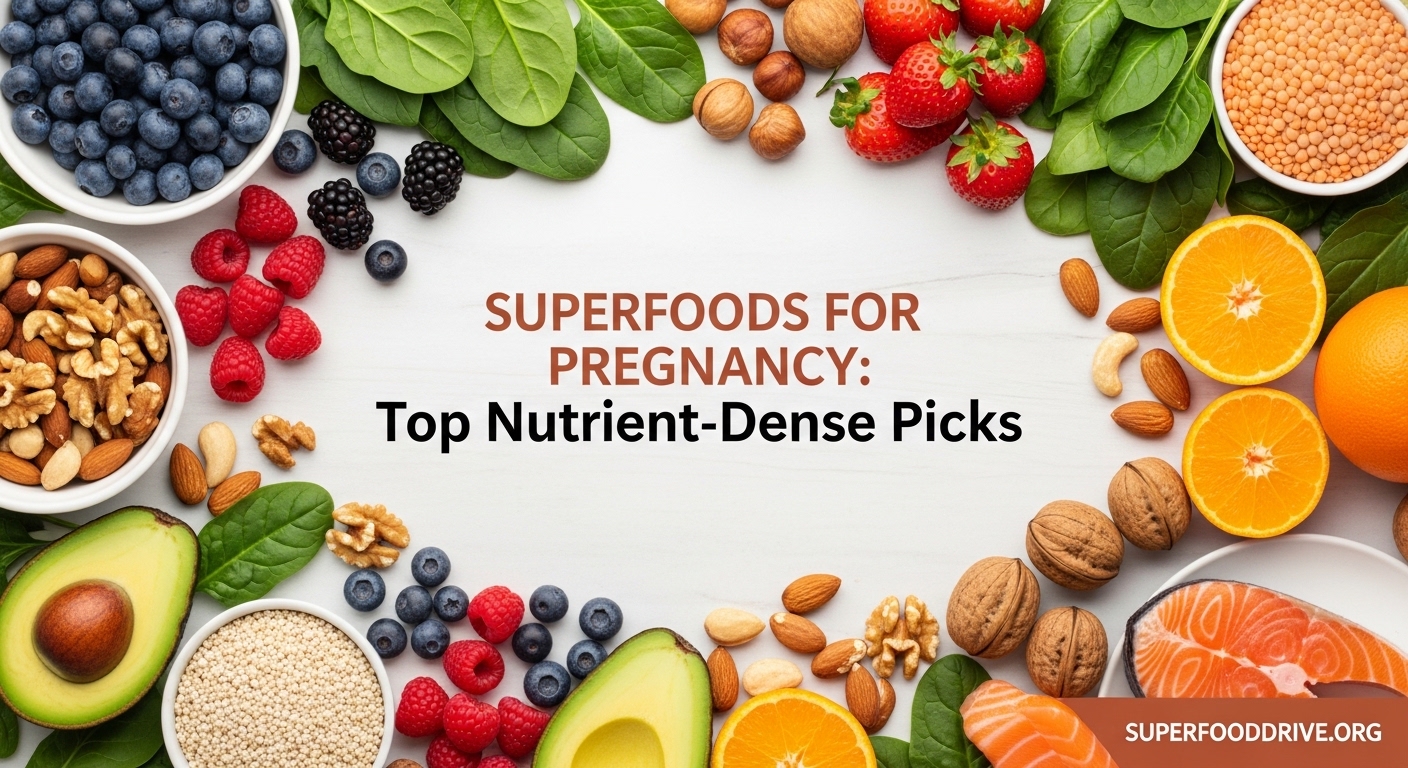
In this guide, I will share the top nutrient-dense picks that have helped thousands of women support healthy pregnancies. These foods provide essential folate for neural development, iron for your expanding blood supply, calcium for building tiny bones, and omega-3 fatty acids for your baby’s brain.
Table of Contents
What Are Superfoods for Pregnancy
The term “superfood” gets thrown around a lot in marketing, but during pregnancy, it has real meaning. Superfoods for pregnancy are nutrient-dense foods that deliver maximum vitamins, minerals, and beneficial compounds per calorie.
Your body needs about 300 extra calories per day during pregnancy, but those calories should pack a nutritional punch. The key nutrients to focus on include:
- Folate: Critical for neural tube development in the first trimester
- Iron: Supports the 50% increase in blood volume during pregnancy
- Calcium: Builds your baby’s bones and teeth while maintaining yours
- Omega-3 fatty acids: Essential for fetal brain and eye development
- Choline: Often overlooked but vital for brain development
- Protein: Supports rapid fetal tissue growth
Below are the foods that deliver these nutrients most effectively.
Leafy Greens: Folate Powerhouses
Spinach, kale, Swiss chard, and broccoli top the list of superfoods for pregnancy for good reason. One cup of cooked spinach delivers over 250 micrograms of folate, which is more than half your daily needs.
Beyond folate, leafy greens provide iron that helps prevent anemia, fiber that combats pregnancy constipation, and antioxidants that support overall health. The vitamin C in broccoli and other greens actually helps your body absorb iron from plant sources.
I know what you are thinking: greens when you are nauseous? If morning sickness has you avoiding salads, try blending spinach into fruit smoothies. The fruit masks the taste while you still get the nutrients. You can also add finely chopped greens to soups, omelets, or pasta sauces.
Eggs: The Complete Protein
Eggs are one of nature’s most perfect foods for pregnancy. Each egg contains about 6 grams of high-quality protein and provides choline, a nutrient that supports fetal brain development and helps prevent neural tube defects.
Most prenatal vitamins do not contain choline, yet research shows that 90% of pregnant women consume less than the recommended 450 mg daily. Two eggs provide about 300 mg of choline, making them an easy way to close that gap.
Look for omega-3 enriched eggs for an extra boost of DHA. Scrambled, boiled, or in an omelet with vegetables, eggs are versatile enough to eat daily.
Salmon: Omega-3 for Brain Development
Salmon deserves its reputation as a pregnancy superfood. It is one of the best sources of DHA and EPA, omega-3 fatty acids critical for your baby’s brain and eye development.
The FDA recommends pregnant women eat 2-3 servings (8-12 ounces) of low-mercury fish per week. Salmon fits perfectly into this guideline. Wild-caught salmon typically has higher omega-3 content than farmed varieties, but both are nutritious options.
Baking salmon with lemon and herbs takes 15 minutes and creates a meal rich in protein and healthy fats. If fish makes you queasy during pregnancy, talk to your doctor about algae-based omega-3 supplements as an alternative.
Legumes: Fiber and Plant Protein
Beans, lentils, chickpeas, and peas are budget-friendly pregnancy powerhouses. A single cup of cooked lentils provides 18 grams of protein, 15 grams of fiber, and nearly 360 micrograms of folate.
The fiber in legumes helps prevent constipation, a common pregnancy complaint. Their low glycemic index means they release energy slowly, helping maintain stable blood sugar levels.
Keep canned beans on hand for quick meals. Rinse them to reduce sodium. Add chickpeas to salads, blend white beans into dips, or simmer lentils into hearty soups.
Greek Yogurt: Calcium and Probiotics
Your baby needs calcium to build a strong skeleton, and if you do not consume enough, your body will pull it from your own bones. Greek yogurt provides about 20% of your daily calcium needs per serving, plus it packs double the protein of regular yogurt.
The probiotics in yogurt support digestive health, which can be particularly helpful when pregnancy hormones slow your digestion. Choose plain varieties to avoid added sugars, then sweeten with fruit or a drizzle of honey if desired.
Calcium absorption requires vitamin D, so pair your yogurt with time outdoors or look for fortified options.
Avocados: Healthy Fats and Potassium
Creamy, satisfying, and incredibly nutritious, avocados are packed with monounsaturated fats that support fetal brain development. They also contain more potassium than bananas, which helps regulate blood pressure during pregnancy.
One avocado provides about one-third of your daily folate needs and significant amounts of vitamin K, vitamin C, and fiber. The healthy fats also help your body absorb fat-soluble vitamins from other foods.
Spread avocado on whole grain toast, blend it into smoothies for creaminess, or mash it with lime for a quick guacamole.
Berries: Antioxidant-Rich Snacks
Blueberries, strawberries, raspberries, and blackberries deliver antioxidants, vitamin C, fiber, and natural sweetness without spiking blood sugar. The deep colors signal high levels of beneficial plant compounds.
Vitamin C in berries helps your body absorb iron from plant sources and supports your immune system. The fiber keeps you full between meals, which helps manage pregnancy weight gain.
Fresh or frozen berries work equally well. Add them to yogurt, oatmeal, or enjoy them by the handful when sweet cravings strike.
Superfoods for Pregnancy First Trimester
The first trimester brings unique challenges, primarily morning sickness that can make eating anything nutritious feel impossible. During this time, focus on whatever you can keep down.
Bananas became my best friend during those early weeks. They are easy to digest, provide quick energy, and contain vitamin B6 which may help reduce nausea. Plain crackers, dry toast, and small frequent meals can keep blood sugar stable.
Do not worry if your diet is not perfect right now. Your body prioritizes the baby, and you have two more trimesters to load up on nutrients. Take your prenatal vitamin daily, and eat what you can when you can.
Superfoods for Pregnancy Second Trimester
By week 14, many women find their energy returns and nausea subsides. This is the perfect time to focus on iron-rich foods as your blood volume increases dramatically.
Lean meats, spinach, and fortified cereals can help prevent iron-deficiency anemia. Pair iron sources with vitamin C foods like oranges or bell peppers to maximize absorption. Your protein needs also increase during this trimester, so aim for eggs, Greek yogurt, beans, or lean meats at each meal.
This is often when appetite increases, making it easier to incorporate diverse nutrient-dense foods.
Superfoods for Pregnancy Third Trimester
The final stretch requires continued focus on calcium and vitamin D for your baby’s rapidly developing bones. Omega-3 fatty acids become even more important as your baby’s brain undergoes massive growth.
Continue eating salmon, chia seeds, and walnuts for DHA. Keep up with leafy greens for folate, which remains important throughout pregnancy. Protein needs peak in the third trimester, supporting your baby’s final growth spurt.
Some women find heartburn becomes an issue now. Smaller, more frequent meals and avoiding eating right before bed can help.
How to Incorporate These Foods Daily
Building meals around these superfoods does not require complicated recipes. Here are practical ways to eat well during pregnancy:
Breakfast ideas: Greek yogurt with berries and chia seeds, eggs with spinach and whole grain toast, or oatmeal with banana and peanut butter.
Lunch options: Large salad with salmon, avocado, and leafy greens, lentil soup with whole grain bread, or a bean and vegetable burrito bowl.
Dinner suggestions: Baked salmon with broccoli and sweet potato, stir-fry with tofu and mixed vegetables over brown rice, or chicken with roasted vegetables and quinoa.
Smart snacks: Apple slices with almond butter, handful of nuts, carrots with hummus, or hard-boiled eggs.
Foods to Limit or Avoid
While focusing on nutrient-dense foods, be aware of foods that pose risks during pregnancy:
- High-mercury fish: Shark, swordfish, king mackerel, and tilefish should be avoided completely
- Deli meats and hot dogs: Risk of listeria unless heated until steaming
- Unpasteurized dairy and juices: Also carry listeria risk
- Raw or undercooked meat, eggs, and seafood: Risk of bacterial contamination
- Alcohol: No amount is considered safe during pregnancy
- Excessive caffeine: Limit to 200 mg per day (about one 12-ounce coffee)
Always wash fruits and vegetables thoroughly, and practice good food safety in the kitchen.
Frequently Asked Questions
What are the most nutrient dense foods for pregnancy?
The most nutrient-dense foods for pregnancy include leafy greens (spinach, kale) for folate and iron, eggs for choline and protein, salmon for omega-3 fatty acids, Greek yogurt for calcium and probiotics, legumes for fiber and plant protein, avocados for healthy fats and potassium, and berries for antioxidants and vitamin C.
What are good superfoods for pregnancy?
Good superfoods for pregnancy include eggs, salmon, leafy greens like spinach and kale, Greek yogurt, avocados, legumes, berries, sweet potatoes, nuts and seeds, and whole grains. These foods provide essential nutrients like folate, iron, calcium, omega-3s, and choline that support fetal development and maternal health.
What is the #1 pregnancy craving?
While cravings vary widely, sweets and carbohydrates are among the most commonly reported pregnancy cravings. Many women also crave dairy products, fruits, and salty snacks. Ice cream, chocolate, pickles, and citrus fruits frequently top the list of specific cravings reported by pregnant women.
What are the most nutrient dense superfoods?
The most nutrient-dense superfoods for pregnancy are eggs (choline and complete protein), salmon (omega-3 fatty acids), spinach (folate and iron), lentils (folate, fiber, and protein), Greek yogurt (calcium and probiotics), avocados (healthy fats and potassium), and blueberries (antioxidants and vitamin C).
Conclusion
Eating well during pregnancy does not require perfection. Focus on incorporating these superfoods for pregnancy when you can, and remember that small improvements add up. Your baby will draw what they need from your body, but nourishing yourself helps you feel better and recover faster.
Talk to your healthcare provider about your specific nutritional needs, especially if you have dietary restrictions or health conditions. Every pregnancy is different, and personalized guidance will serve you best.
Start with one or two foods from this list and build from there. Your body and your baby will thank you.