
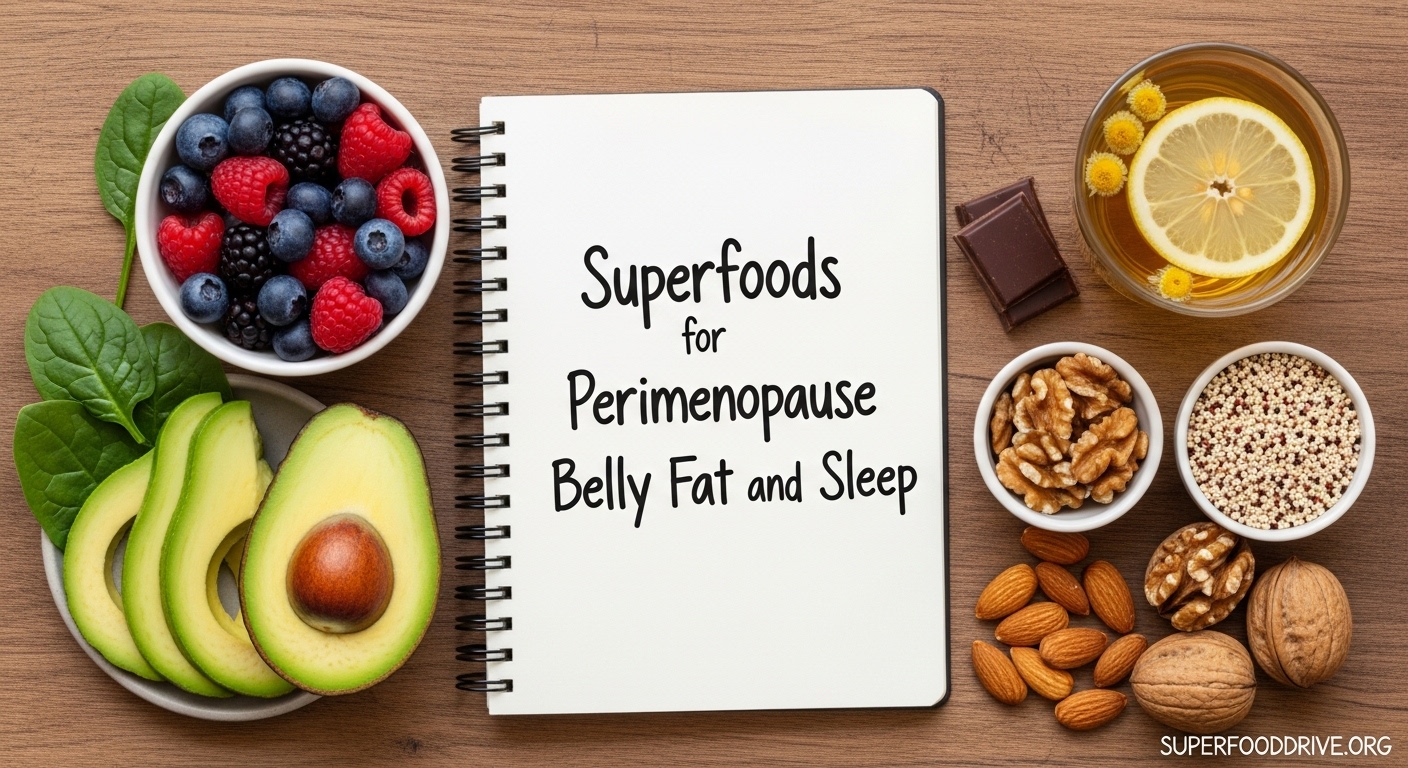
The belly fat that appears during perimenopause feels different from weight gain at any other life stage. I have spoken with dozens of women who describe it as “stubborn fat that refuses to budge” despite eating the same foods and maintaining the same exercise routines that worked in their 30s. This stubborn midsection weight often pairs with another frustrating symptom: sleep disruption that leaves you exhausted before the day even begins.
The good news is that specific superfoods can address both of these challenges simultaneously. By targeting the hormonal shifts and inflammation that drive perimenopause symptoms, the right foods help reduce belly fat storage and promote restorative sleep. In this guide, you will learn exactly which superfoods to add to your plate 2026 and how to combine them for maximum benefit.
Our team has analyzed clinical research on phytoestrogens, omega-3 fatty acids, and sleep-promoting nutrients. We have also gathered real experiences from women navigating perimenopause in online communities. This article combines that research with practical serving recommendations you can implement immediately.
Table of Contents
Understanding Perimenopause and Your Changing Body
Perimenopause is the transitional phase before menopause when hormone levels begin fluctuating. This period typically begins in your 40s and can last anywhere from 4 to 10 years. During this time, declining estrogen and progesterone create a cascade of physical changes that affect everything from your metabolism to your sleep quality.
Why Belly Fat Increases During Perimenopause
Estrogen helps regulate where your body stores fat. When estrogen levels drop during perimenopause, your body shifts from storing fat in the hips and thighs to storing it around the midsection. This visceral fat is not just a cosmetic concern. It increases inflammation and raises risks for cardiovascular disease and insulin resistance.
Cortisol, your stress hormone, plays an equally important role. Lower estrogen reduces your body’s ability to regulate cortisol effectively. The result is higher baseline stress levels and increased fat storage around the waist. Many women report gaining 10 to 20 pounds during perimenopause without changing their eating habits at all.
Blood sugar regulation also becomes more challenging. Insulin sensitivity naturally declines with age, and hormonal shifts accelerate this process. The combination of cortisol dysregulation and blood sugar fluctuations creates perfect conditions for stubborn belly fat accumulation.
The Sleep-Hormone Connection
Progesterone has natural sedative properties that help you fall asleep and stay asleep. When progesterone levels drop during perimenopause, insomnia often follows. Many women find themselves waking at 2 or 3 AM unable to return to sleep. This pattern of disrupted sleep creates a vicious cycle that makes weight management even harder.
Sleep deprivation increases ghrelin, the hunger hormone, while decreasing leptin, the satiety hormone. Poor sleep also raises cortisol levels further, compounding the belly fat problem. Research published in the International Journal of Obesity found that women sleeping fewer than 6 hours per night were significantly more likely to gain weight during menopause transition.
Night sweats add another layer of disruption. These sudden waves of heat can wake you multiple times per night, leaving you exhausted and more prone to reaching for sugary comfort foods the next day. Breaking this cycle requires addressing both the sleep quality and the underlying hormonal triggers.
How Inflammation Drives Symptoms
Chronic low-grade inflammation underlies many perimenopause symptoms. Inflammation increases hot flash frequency, worsens mood swings, and contributes to joint pain. It also interferes with leptin signaling, making it harder to recognize when you are full.
Superfoods combat inflammation through multiple pathways. Omega-3 fatty acids reduce inflammatory cytokines. Antioxidant-rich foods neutralize free radicals. Fiber feeds beneficial gut bacteria that produce anti-inflammatory compounds. The right combination of these foods can significantly reduce symptom severity while supporting healthy weight management.
Top Superfoods for Perimenopause Belly Fat
These six superfoods specifically target the hormonal and metabolic factors driving midsection weight gain. Each provides unique nutrients that support insulin sensitivity, reduce inflammation, or help regulate cortisol levels.
1. Fatty Fish (Salmon, Mackerel, Sardines)
Fatty fish tops the list for perimenopause belly fat management. A single 4-ounce serving of wild salmon provides over 2 grams of omega-3 fatty acids, specifically EPA and DHA. These omega-3s reduce inflammation throughout the body and improve insulin sensitivity. Studies show that women with higher omega-3 levels have significantly less visceral fat than those with lower levels.
The protein content in fish also supports metabolism. Digesting protein requires more energy than digesting carbohydrates or fats. This thermic effect helps offset the metabolic slowdown that occurs during perimenopause. Aim for at least two servings of fatty fish per week. Canned sardines and wild salmon offer convenient, affordable options that deliver the same benefits as fresh fish.
Vitamin D in fatty fish deserves special mention. Perimenopausal women are often deficient in this hormone-like nutrient. Low vitamin D correlates with both increased belly fat and poor sleep quality. Getting vitamin D from food sources provides additional co-factors that enhance absorption compared to supplements alone.
2. Leafy Greens (Spinach, Kale, Swiss Chard)
Leafy greens provide a powerhouse combination of magnesium, fiber, and antioxidants that support weight management. Magnesium helps regulate cortisol and blood sugar levels. It also supports better sleep quality by activating the parasympathetic nervous system. Most perimenopausal women do not consume adequate magnesium, making leafy greens particularly valuable.
The fiber in leafy greens slows digestion and prevents blood sugar spikes. Stable blood sugar means less insulin release and less fat storage. A large salad with mixed greens before your main meal can reduce the overall glycemic impact of what you eat. This simple timing strategy helps manage the insulin resistance that commonly develops during perimenopause.
Nitrates in leafy greens improve blood flow and may help reduce blood pressure. Better circulation supports exercise recovery and energy levels, making it easier to maintain physical activity. Include at least 2 cups of leafy greens daily through salads, smoothies, or lightly sauteed side dishes.
3. Berries (Blueberries, Raspberries, Blackberries)
Berries offer the perfect combination of low sugar content and high antioxidant levels. The anthocyanins that give berries their deep colors actively reduce inflammation in fat cells. This anti-inflammatory effect helps prevent the insulin resistance that drives stubborn belly fat storage.
The fiber-to-sugar ratio in berries is exceptional. A cup of raspberries contains 8 grams of fiber but only 5 grams of sugar. This makes berries one of the few sweet foods that actually supports blood sugar regulation. The fiber feeds beneficial gut bacteria that produce short-chain fatty acids. These compounds reduce inflammation and improve metabolic health.
Blueberries specifically have been shown to improve insulin sensitivity in women. A study published in the Journal of Nutrition found that daily blueberry consumption reduced insulin resistance markers in obese adults. Frozen berries provide the same benefits as fresh and are more affordable year-round. Add them to Greek yogurt, oatmeal, or smoothies for easy integration.
4. Legumes (Lentils, Chickpeas, Black Beans)
Legumes are perhaps the most underrated superfood for perimenopause. They provide a unique combination of plant protein, resistant starch, and phytoestrogens. The protein content helps maintain muscle mass, which naturally declines during perimenopause and contributes to metabolic slowdown.
Resistant starch in legumes feeds beneficial gut bacteria that produce butyrate. This short-chain fatty acid reduces inflammation and helps regulate appetite hormones. Unlike simple carbohydrates that spike blood sugar, resistant starch digests slowly and promotes satiety for hours after eating.
The phytoestrogens in legumes, particularly isoflavones, provide gentle estrogenic activity that may help balance declining hormone levels. Soybeans contain the highest amounts, but lentils and chickpeas also contribute. Research suggests that regular legume consumption correlates with lower body weight and reduced menopause symptom severity.
5. Greek Yogurt and Fermented Foods
Gut health plays a crucial role in weight management during perimenopause. The gut microbiome influences hormone metabolism, inflammation levels, and even mood. Fermented foods like Greek yogurt, kefir, sauerkraut, and kimchi introduce beneficial bacteria that support optimal gut function.
Greek yogurt specifically offers high protein content with minimal sugar. A typical serving provides 15 to 20 grams of protein, making it an ideal breakfast or snack option. The protein helps regulate appetite hormones and supports muscle preservation during weight loss efforts.
Probiotics in fermented foods help metabolize phytoestrogens from other foods, potentially enhancing their benefits. They also reduce gut inflammation that can drive systemic inflammation and weight gain. Include at least one serving of fermented foods daily. If dairy is problematic, coconut yogurt with added probiotics or fermented vegetables provide similar benefits.
6. Avocados
Avocados provide monounsaturated fats that support hormone production and help regulate appetite. The fat content in avocados increases satiety hormones that signal fullness to your brain. Adding half an avocado to a meal can significantly reduce the urge to snack later.
The fiber in avocados is exceptional. A single avocado contains about 10 grams of fiber, roughly one-third of the daily recommended amount. This fiber feeds beneficial gut bacteria and helps maintain stable blood sugar levels. Stable blood sugar means less cortisol release and less fat storage around the midsection.
Potassium in avocados helps regulate fluid balance and blood pressure. Many women experience bloating during perimenopause, and adequate potassium intake can help reduce water retention. Avocados are also rich in vitamin E, which supports skin health as collagen production naturally declines. Include half to one full avocado daily in salads, smoothies, or as a spread alternative.
Superfoods for Better Sleep During Perimenopause
These six superfoods specifically target the mechanisms that promote restful sleep. They work by either providing sleep-promoting compounds directly or by supporting the hormonal environment that allows sleep to occur naturally.
1. Tart Cherries and Tart Cherry Juice
Tart cherries are one of the few natural food sources of melatonin. Research from Louisiana State University found that drinking tart cherry juice twice daily increased sleep time by an average of 84 minutes in older adults with insomnia. This effect is particularly valuable for perimenopausal women struggling with sleep disruption.
Tart cherries also contain anthocyanins that reduce inflammation. Lower inflammation correlates with better sleep quality in multiple studies. The combination of natural melatonin and anti-inflammatory compounds makes tart cherries uniquely effective for perimenopause sleep issues.
For best results, drink 8 ounces of tart cherry juice in the evening, about 1 to 2 hours before bedtime. Look for unsweetened varieties to avoid blood sugar spikes that could interfere with sleep onset. Whole tart cherries provide the same benefits if you prefer eating the fruit directly.
2. Almonds and Pumpkin Seeds
Almonds are exceptionally rich in magnesium, providing about 20% of your daily needs in just one ounce. Magnesium activates the parasympathetic nervous system, the “rest and digest” state that opposes the stress response. This mineral also regulates melatonin production and helps maintain healthy GABA levels.
Pumpkin seeds offer even more magnesium per serving along with zinc and tryptophan. Tryptophan is the amino acid precursor to serotonin and melatonin. Including pumpkin seeds in your evening routine can support the natural production of these sleep-promoting neurotransmitters.
A small handful of almonds or pumpkin seeds makes an ideal pre-bed snack. The protein and healthy fats prevent blood sugar drops that could wake you during the night. Avoid salted varieties if fluid retention is a concern. About 1 ounce, roughly 23 almonds or a quarter cup of pumpkin seeds, provides optimal magnesium support.
3. Fatty Fish
Fatty fish appears on both lists because it supports both weight management and sleep quality. The vitamin D content in fatty fish plays a crucial role in sleep regulation. Research published in the journal Sleep found that vitamin D deficiency correlates with shorter sleep duration and poorer sleep quality.
Omega-3 fatty acids in fish also support sleep by reducing inflammation that can disrupt rest. EPA specifically helps regulate cortisol levels, making it easier to transition from the active day state to restful sleep. Women who consume fatty fish regularly report better sleep quality than those who rarely eat fish.
Timing matters for sleep benefits. Eating fatty fish at dinner rather than breakfast allows the nutrients to support your body’s transition into evening mode. The tryptophan in fish also supports melatonin production when consumed in the evening hours. Aim for at least two dinners per week featuring salmon, mackerel, or sardines.
4. Kiwi Fruit
Kiwi fruit has emerged as an unexpected sleep superfood. A study from Taiwan found that eating two kiwis one hour before bedtime significantly improved sleep onset, duration, and efficiency in participants. The serotonin content in kiwi appears to be the primary driver of these benefits.
Kiwi also provides vitamin C and antioxidants that reduce oxidative stress. Oxidative stress increases during sleep deprivation, creating another vicious cycle. The anti-inflammatory compounds in kiwi help break this cycle by supporting cellular health while you sleep.
The natural sweetness of kiwi makes it an ideal after-dinner treat that satisfies sweet cravings without the blood sugar disruption of processed desserts. Two kiwis provide about 100 calories and substantial fiber. Eat them one hour before bed for optimal sleep onset support.
5. Chamomile Tea and Herbal Infusions
Chamomile tea contains apigenin, an antioxidant that binds to specific receptors in your brain to promote sleepiness and reduce insomnia. This gentle sedative effect has been recognized for centuries and is now supported by clinical research. A study in the Journal of Advanced Nursing found that chamomile tea improved sleep quality in postpartum women experiencing sleep difficulties.
Other herbal options include passionflower tea, which increases GABA levels, and valerian root, which reduces the time needed to fall asleep. These herbs work through different mechanisms, so you may find one more effective than others depending on your specific sleep challenges.
The ritual of preparing and drinking tea also contributes to better sleep. This intentional pause signals to your body that the active day is ending. The warmth and mild flavor create a sensory experience that promotes relaxation. Drink herbal tea 30 to 60 minutes before bed, avoiding caffeine-containing varieties entirely.
6. Walnuts
Walnuts contain melatonin along with omega-3 fatty acids, making them a dual-action sleep superfood. Research suggests that the melatonin in walnuts is bioavailable and contributes to blood melatonin levels. This makes walnuts one of the few foods that directly increase the hormone that regulates your sleep-wake cycle.
The omega-3 content in walnuts also supports sleep by reducing inflammation and supporting brain health. Alpha-linolenic acid, the omega-3 found in walnuts, converts partially to EPA and DHA in the body. These compounds support neurotransmitter function and help regulate the stress response that can interfere with sleep.
A small handful of walnuts, about 1 ounce or 14 halves, provides sleep benefits without excessive calories. The protein and fat content helps stabilize blood sugar through the night. Add walnuts to your evening routine either as a standalone snack or mixed into a small serving of Greek yogurt.
Meal Timing and the 30/30/30 Rule
What you eat matters enormously during perimenopause, but when you eat can be equally important. Strategic meal timing helps regulate cortisol, stabilize blood sugar, and support your body’s natural circadian rhythms.
What Is the 30/30/30 Rule?
The 30/30/30 rule has gained significant attention in perimenopause communities as a simple framework for structuring daily nutrition. This rule recommends consuming 30 grams of protein within 30 minutes of waking, followed by 30 minutes of light exercise or movement. The goal is front-loading your protein intake to support stable blood sugar and metabolism throughout the day.
The extended version of this framework includes 30 grams of fiber throughout the day and 3 servings of probiotic or fermented foods. This combination addresses the three pillars of perimenopause nutrition: protein for muscle preservation and satiety, fiber for blood sugar regulation and gut health, and probiotics for hormone metabolism support.
While not a magic solution, this framework provides practical structure that many women find helpful. The emphasis on morning protein specifically addresses the cortisol spike that naturally occurs upon waking. Protein helps blunt this spike and prevents the blood sugar rollercoaster that leads to cravings later in the day.
Best Times to Eat for Sleep
Evening meal timing significantly impacts sleep quality. Eating a large meal within 2 to 3 hours of bedtime can interfere with sleep onset as your body focuses on digestion rather than rest. However, going to bed hungry can also disrupt sleep by causing blood sugar drops that trigger cortisol release.
The optimal approach is finishing dinner 3 to 4 hours before bed. If you need a snack closer to bedtime, keep it small and focused on protein or healthy fats. A small handful of almonds, a few walnuts, or a small serving of Greek yogurt provides nutrients that support sleep without demanding significant digestive effort.
Alcohol timing deserves special attention. While alcohol may help you fall asleep initially, it significantly disrupts sleep architecture and reduces REM sleep. If you choose to drink, consume alcohol at least 3 hours before bed and limit it to one serving. The sleep disruption from alcohol becomes more pronounced during perimenopause due to existing hormone fluctuations.
Morning Protein Importance
Breakfast protein intake sets the metabolic tone for your entire day. Research consistently shows that higher protein breakfasts reduce overall daily calorie intake and improve blood sugar regulation. This effect is particularly valuable during perimenopause when insulin sensitivity naturally declines.
Greek yogurt with berries, eggs with vegetables, or a protein smoothie provide excellent morning options. Aim for that 30-gram target mentioned in the 30/30/30 rule. This might look like 1 cup of Greek yogurt with a scoop of protein powder, or 3 eggs with vegetables and a side of cottage cheese.
The cortisol awakening response is strongest in the morning hours. Strategic protein intake helps modulate this response and prevents excessive cortisol from triggering fat storage and sugar cravings. Women who consume adequate morning protein consistently report better energy and fewer afternoon crashes.
Foods to Limit or Avoid During Perimenopause
While adding superfoods to your diet provides significant benefits, reducing certain foods can be equally important. These foods drive inflammation, disrupt blood sugar, or interfere with sleep quality.
Refined Sugars and High-Glycemic Carbohydrates
Refined sugars and processed carbohydrates cause rapid blood sugar spikes followed by crashes. These fluctuations trigger cortisol release and promote fat storage around the midsection. During perimenopause, when insulin sensitivity is already compromised, these foods have an amplified negative effect.
White bread, pastries, sugary cereals, and sweetened beverages deserve particular scrutiny. Replace these with whole grain alternatives and whole fruits that provide fiber alongside natural sugars. When you do eat carbohydrates, pair them with protein or healthy fats to reduce the glycemic impact.
Hidden sugars in processed foods can sabotage your efforts. Check labels for added sugars in sauces, dressings, and even savory items. The American Heart Association recommends limiting added sugars to 25 grams daily for women. Staying below this threshold becomes more important during perimenopause.
Processed Foods and Trans Fats
Processed foods contain inflammatory fats, excessive sodium, and chemical additives that stress your body. Trans fats, still found in some baked goods and fried foods, increase inflammation and raise cardiovascular risk. The convenience of processed foods is not worth the metabolic cost during this life stage.
Focus on whole foods that require preparation. This does not mean spending hours cooking. Simple meals of grilled protein, roasted vegetables, and healthy fats take minimal time but provide maximum nutrition. Batch cooking on weekends can set you up for success during busy weekdays.
Vegetable oils high in omega-6 fatty acids also promote inflammation when consumed in excess. Limit corn oil, soybean oil, and sunflower oil. Instead, cook with olive oil, avocado oil, or coconut oil. Check ingredient lists on packaged foods, as these oils appear in surprising places.
Excessive Caffeine and Alcohol
Caffeine sensitivity often increases during perimenopause. What used to be a harmless afternoon coffee may now interfere with your sleep. Caffeine has a half-life of 5 to 6 hours, meaning that 3 PM cup of coffee still has active compounds in your system at bedtime.
Consider establishing a caffeine cutoff time of noon or 2 PM at the latest. Switch to herbal teas or decaf options in the afternoon. Pay attention to hidden caffeine sources like chocolate, certain medications, and energy drinks that might be affecting your sleep without your awareness.
Alcohol disrupts sleep architecture even when consumed in moderate amounts. It may help you fall asleep faster, but it reduces REM sleep and causes middle-of-the-night waking as your body metabolizes it. During perimenopause, alcohol can also trigger hot flashes in many women. Limit alcohol to special occasions and consume it with food to slow absorption.
Spicy Foods for Hot Flash Management
Spicy foods can trigger hot flashes and night sweats in susceptible women. Capsaicin, the compound that makes peppers hot, raises body temperature and may trigger your body’s heat dissipation response. If you experience frequent hot flashes, consider reducing spice levels, particularly at dinner.
This does not mean eliminating flavor. Herbs, citrus, garlic, and ginger provide plenty of taste without the heat that triggers symptoms. Some women tolerate spice better than others, so track your personal triggers. If spicy foods do not bother you, they can remain part of your diet. Just be mindful of timing if they seem to worsen night sweats.
Lifestyle Tips to Support Your Superfood Diet
Food provides the foundation for managing perimenopause symptoms, but lifestyle factors amplify or diminish those benefits. These strategies work synergistically with your superfood choices.
Exercise Strategies That Work
Strength training becomes essential during perimenopause. Muscle mass naturally declines with age and hormonal changes, and this decline directly reduces metabolic rate. Resistance training 2 to 3 times per week preserves and builds muscle tissue that keeps your metabolism active.
High-intensity interval training (HIIT) can be effective for belly fat reduction, but moderation matters. Excessive intense exercise raises cortisol, which can worsen perimenopause symptoms. A balanced approach combining strength training, moderate cardio, and restorative movement like yoga or walking provides optimal results.
Timing exercise appropriately supports sleep. Morning exercise helps regulate circadian rhythms and cortisol patterns. Evening exercise, particularly vigorous activity within 3 hours of bedtime, can interfere with sleep onset for some women. Experiment to find what works best for your body.
Stress Management for Hormone Balance
Stress management is not optional during perimenopause. Chronic stress elevates cortisol, worsens sleep, increases belly fat storage, and intensifies hot flashes. The superfoods in this guide help, but they cannot overcome constant high stress levels.
Simple daily practices make a significant difference. Ten minutes of meditation, deep breathing exercises, or gentle yoga can activate the parasympathetic nervous system. Consider establishing a consistent morning or evening routine that includes stress-reducing practices alongside your superfood meals.
Boundaries become particularly important during this life stage. Many women in their 40s and 50s face simultaneous demands from aging parents, growing children, and career pressures. Protecting time for self-care is not selfish. It is necessary for hormonal health and sustainable wellbeing.
Creating a Sleep-Friendly Environment
Your bedroom environment significantly impacts sleep quality, particularly when hormonal changes already disrupt rest. Keep your bedroom cool, ideally between 60 and 67 degrees Fahrenheit. Consider moisture-wicking bedding and sleepwear designed for temperature regulation.
Light exposure management supports natural melatonin production. Dim lights 1 to 2 hours before bed and eliminate blue light from screens during this time. Blackout curtains or a sleep mask can block external light that interferes with sleep. Even small amounts of light during sleep can disrupt hormone production.
Establish a consistent sleep schedule, even on weekends. Going to bed and waking at the same time daily helps regulate your circadian rhythm. This consistency becomes more important as natural hormone fluctuations make sleep less predictable. Your superfood choices work best when paired with consistent sleep timing.
FAQ
What to eat to lose belly fat in perimenopause?
Focus on anti-inflammatory superfoods including fatty fish rich in omega-3s, leafy greens for magnesium and fiber, berries for antioxidants, legumes for protein and resistant starch, and avocados for healthy fats. These foods address the hormonal and metabolic changes that drive belly fat storage during perimenopause. Aim for protein at every meal, plenty of vegetables, and minimal processed foods and added sugars.
What foods are good for perimenopausal hormones disturbance sleep?
Tart cherries and tart cherry juice provide natural melatonin. Almonds and pumpkin seeds offer magnesium for relaxation. Fatty fish supply vitamin D and omega-3s that support sleep quality. Kiwi fruit contains serotonin that helps sleep onset. Chamomile tea provides apigenin that promotes drowsiness. Walnuts offer both melatonin and omega-3s for comprehensive sleep support.
What is the 30/30/30 rule for perimenopause?
The 30/30/30 rule recommends consuming 30 grams of protein within 30 minutes of waking, followed by 30 minutes of light exercise or movement. The extended version includes 30 grams of fiber throughout the day and 3 servings of fermented or probiotic foods. This framework helps regulate cortisol, stabilize blood sugar, and support metabolic health during perimenopause.
How can I get a flat stomach during perimenopause?
Combine targeted nutrition with strategic exercise and stress management. Eat the superfoods outlined in this guide while limiting sugar, processed foods, and alcohol. Include strength training 2 to 3 times weekly to preserve muscle mass and metabolism. Manage stress to reduce cortisol-driven fat storage. Prioritize sleep, as poor sleep increases hunger hormones and belly fat storage. Be patient, as hormonal changes require consistent effort over time.
How long does perimenopause last?
Perimenopause typically lasts between 4 and 10 years, though this varies significantly among women. The average duration is about 4 years, but some women experience symptoms for a decade or more before reaching menopause. Menopause is officially diagnosed after 12 consecutive months without a menstrual period. Symptoms often intensify in the final 1 to 2 years before menopause as hormone levels decline more rapidly.
Can superfoods replace HRT?
Superfoods support hormonal health but cannot fully replace hormone replacement therapy (HRT) for women with severe symptoms. Food-based approaches work gradually to reduce inflammation, support nutrient status, and provide gentle phytoestrogens. HRT provides direct hormone supplementation that may be necessary for significant symptom management. Many women successfully combine both approaches, using superfoods as foundation support while working with healthcare providers to determine if HRT is appropriate for their situation. Always consult your doctor before making decisions about HRT.
Conclusion
The belly fat and sleep challenges of perimenopause are not personal failures. They are natural responses to significant hormonal changes that require updated strategies. The superfoods outlined in this guide provide specific nutrients that address the root causes of these symptoms. Fatty fish, leafy greens, berries, legumes, fermented foods, and avocados target the inflammation and metabolic shifts driving stubborn weight. Tart cherries, nuts, seeds, kiwi, and chamomile provide the compounds needed for restorative sleep.
Start by adding one or two superfoods from each category to your daily routine. Consider beginning with morning protein and evening magnesium sources, as these provide the fastest noticeable benefits. Track your symptoms and sleep quality to identify which foods work best for your unique body. Remember that consistency over time matters more than perfection on any single day.
Perimenopause is a transition, not a permanent state. With the right superfood nutrition supporting your body through this change, you can reduce symptoms and maintain your health for decades to come. The foods you choose 2026 and beyond lay the foundation for vibrant health in your postmenopausal years.