
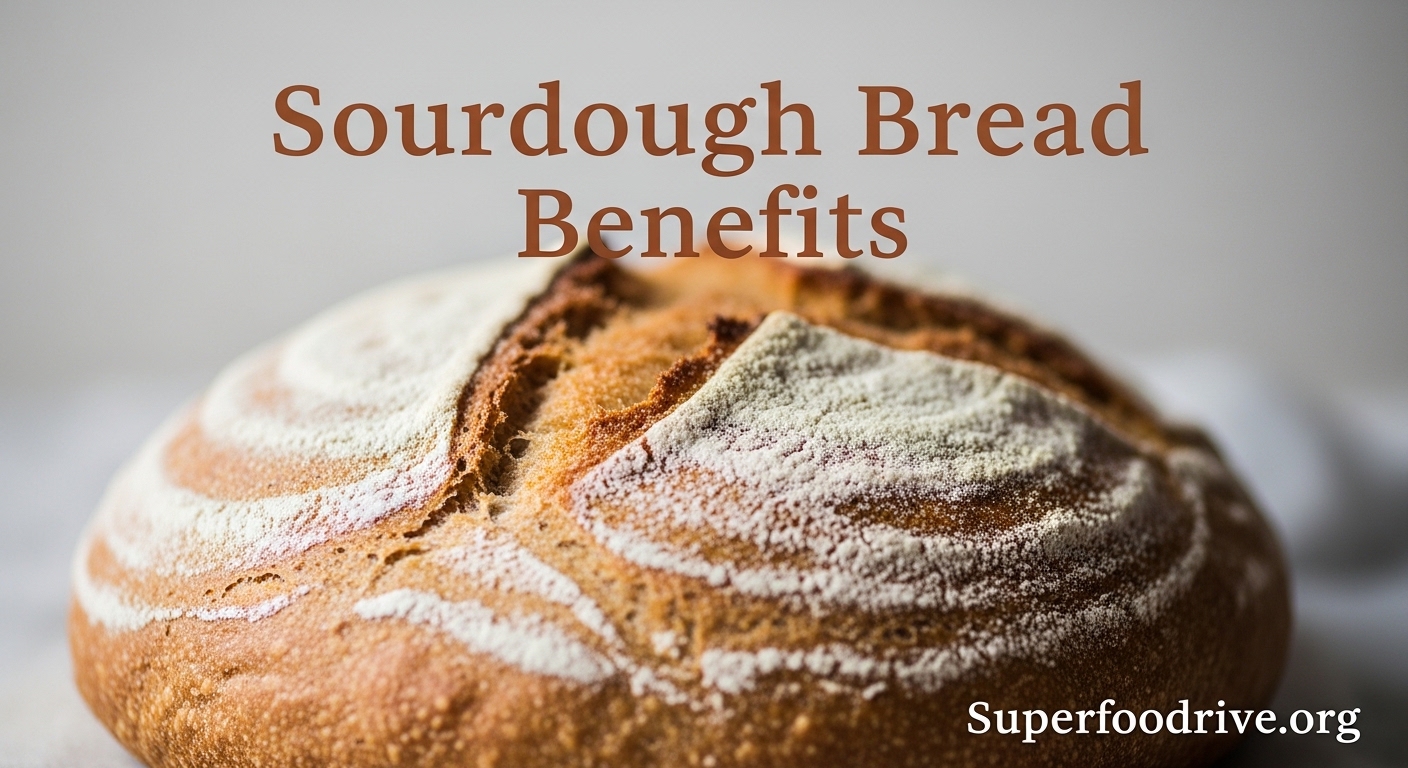
If you are looking for a bread that fits into your healthy eating plan, sourdough deserves your attention. I started eating sourdough regularly three years ago when I noticed regular bread left me feeling bloated and sluggish. The difference was immediate and noticeable.
Sourdough bread benefits go far beyond just better digestion. Understanding how fermentation changes this ancient bread can help you make smarter choices about what you put on your plate. This guide covers everything you need to know about sourdough bread benefits and how to eat it on a diet.
Table of Contents
What Is Sourdough Bread?
Sourdough bread is made through a natural fermentation process using a starter culture instead of commercial yeast. A starter is a living mixture of wild yeast and lactic acid bacteria that leavens the bread and creates its distinctive tangy flavor.
The fermentation process takes 12 to 24 hours, significantly longer than commercial bread. During this time, the bacteria and yeast break down components in the flour. This slow transformation is what makes sourdough different from regular bread.
Many people confuse the health benefits of sourdough with probiotic content. The bacteria do not survive the high baking temperatures. What remains are the beneficial byproducts of fermentation and prebiotic fibers that feed your gut bacteria.
Sourdough Bread Benefits
The health benefits of sourdough bread are backed by growing research and centuries of traditional use. Here is what the science and experience tell us about why sourdough stands out.
Better Blood Sugar Control
Sourdough bread has a lower glycemic index than regular white bread. This means it causes a slower, steadier rise in blood sugar rather than the spike and crash you get with processed breads.
The fermentation process creates resistant starch that acts more like fiber than sugar. Studies show sourdough bread can improve blood sugar control by up to 25% compared to standard bread made from the same flour.
For anyone managing diabetes or trying to avoid energy crashes, this makes sourdough a smarter carbohydrate choice. The lactic acid bacteria produce compounds that modify how your body processes glucose.
Improved Digestion and Gut Health
Sourdough is easier to digest than regular bread because the fermentation process partially breaks down gluten and other complex proteins. Many people who experience bloating with commercial bread find sourdough sits better in their stomachs.
The prebiotic fiber in sourdough feeds the beneficial bacteria already living in your gut. Think of it as fertilizer for your microbiome. A healthy gut supports everything from immune function to mood regulation.
Forum discussions consistently mention reduced bloating and better regularity after switching to sourdough. While the live probiotics do not survive baking, the prebiotic benefits and easier digestion are real advantages.
Enhanced Nutrient Absorption
Grains contain phytates that bind to minerals like iron, zinc, and magnesium, blocking absorption. The long fermentation in sourdough reduces these phytates significantly. Your body can actually use more of the nutrients in the bread.
This improved bioavailability means sourdough made with whole grains delivers more nutritional bang for your buck. The minerals present in the flour become accessible rather than passing through unused.
Heart Health Support
When made with whole grains, sourdough bread can contribute to heart health. The fermentation process may help with cholesterol management by producing compounds that support cardiovascular function.
The fiber content, especially in whole grain sourdough, helps maintain healthy cholesterol levels. Combined with the lower glycemic impact, this makes sourdough a heart-smart choice for daily bread consumption.
How to Eat Sourdough Bread on a Diet
Understanding sourdough bread benefits is only half the equation. Knowing how to incorporate it into a diet plan makes the difference between enjoying bread guilt-free and unintentionally sabotaging your goals.
Portion Control Guidelines
A standard serving of sourdough is one slice, roughly 30 to 40 grams. This provides about 80 to 100 calories depending on the thickness and ingredients. Track your portions just as you would with any other carbohydrate source.
For weight loss, aim for one to two slices per day as part of a balanced meal. The key is what you put on the bread and what you eat alongside it. Sourdough should complement your meal, not dominate it.
Many dieters find sourdough more satisfying than white bread, which can actually help with portion control. The complex flavors and better satiety mean you are less likely to overeat.
Best Times to Eat Sourdough
Timing matters when incorporating bread into a diet plan. Eating sourdough earlier in the day gives your body time to use the energy rather than storing it overnight. Breakfast or lunch are ideal times for your bread serving.
Pairing sourdough with protein and healthy fats creates a balanced meal that sustains energy. A slice with eggs and avocado at breakfast keeps you full until lunch. This combination prevents the blood sugar rollercoaster that leads to cravings.
Smart Toppings and Pairings
The toppings make or break your sourdough’s place in a healthy diet. Skip the butter and jam overload. Instead, choose protein-rich options that turn your bread into a complete meal.
- Smoked salmon with thin spread of cream cheese
- Mashed avocado with poached egg
- Turkey breast with lettuce and mustard
- Hummus with cucumber slices
- Almond butter with thin banana slices
These combinations add nutrition without excessive calories. The protein and fiber work together to keep you satisfied longer than bread alone ever could.
Sourdough vs Other Breads
Understanding how sourdough compares to other breads helps you make informed choices. Each type has different characteristics that matter for your health goals.
White bread is the least nutritious option with the highest glycemic index. It spikes blood sugar quickly and offers minimal fiber. The rapid fermentation and additives in commercial white bread do not provide the same benefits as properly made sourdough.
Whole wheat bread contains more fiber than white bread but lacks the fermentation benefits of sourdough. Some people find whole wheat harder to digest despite its higher nutrient content. The phytates in whole wheat can block mineral absorption unless properly prepared.
Whole grain sourdough combines the best of both worlds. You get the fiber and nutrients from whole grains plus the improved digestibility and lower glycemic impact from fermentation. This combination makes it the top choice for most health-conscious eaters.
Who Should Avoid or Limit Sourdough
Despite its benefits, sourdough is not right for everyone. People with celiac disease must avoid all wheat-based sourdough because it still contains gluten. The fermentation reduces gluten but does not eliminate it completely.
Those with severe gluten sensitivity may also react to sourdough. While many find it easier to digest, individual tolerance varies significantly. Start with small amounts if you are sensitive to gluten.
People with Hashimoto’s thyroiditis should be cautious with sourdough. While some tolerate it well, others find any gluten affects their autoimmune condition. Consulting with your healthcare provider about bread consumption is wise if you manage thyroid issues.
Frequently Asked Questions
Can I lose weight if I eat sourdough bread?
Yes, you can lose weight while eating sourdough bread when you control portions and pair it with balanced meals. One to two slices per day fits within most diet plans. The lower glycemic index and better satiety may actually support weight loss by reducing cravings and preventing energy crashes.
Is sourdough good for people with high cholesterol?
Sourdough made with whole grains may support heart health and cholesterol management. The fiber content helps maintain healthy cholesterol levels. The fermentation process may also produce compounds beneficial for cardiovascular health. Choose whole grain varieties for maximum benefit.
Can you eat sourdough bread with Hashimoto’s?
People with Hashimoto’s should approach sourdough cautiously. While some tolerate it well, others find gluten triggers symptoms. The reduced gluten content from fermentation may help some individuals, but it is not gluten-free. Consult your healthcare provider before adding sourdough to your diet if you have autoimmune thyroid conditions.
Is sourdough better for people with diabetes?
Sourdough bread is generally better for diabetes management than regular bread. Its lower glycemic index causes a slower blood sugar rise. Studies show sourdough can improve blood sugar control by up to 25% compared to standard bread. However, portion control remains important for managing carbohydrate intake.
Conclusion
Sourdough bread benefits make it a standout choice for anyone seeking a healthier bread option. The fermentation process transforms simple flour into something easier to digest with better blood sugar control and enhanced nutrient absorption. Understanding sourdough bread benefits and how to eat it on a diet empowers you to enjoy bread without derailing your health goals.
The key is choosing authentic, long-fermented sourdough and being mindful of portions. Pair it with protein and healthy fats, eat it earlier in the day, and limit yourself to one or two slices. With these simple guidelines, sourdough can be a regular part of a healthy, balanced diet in 2026 and beyond.