
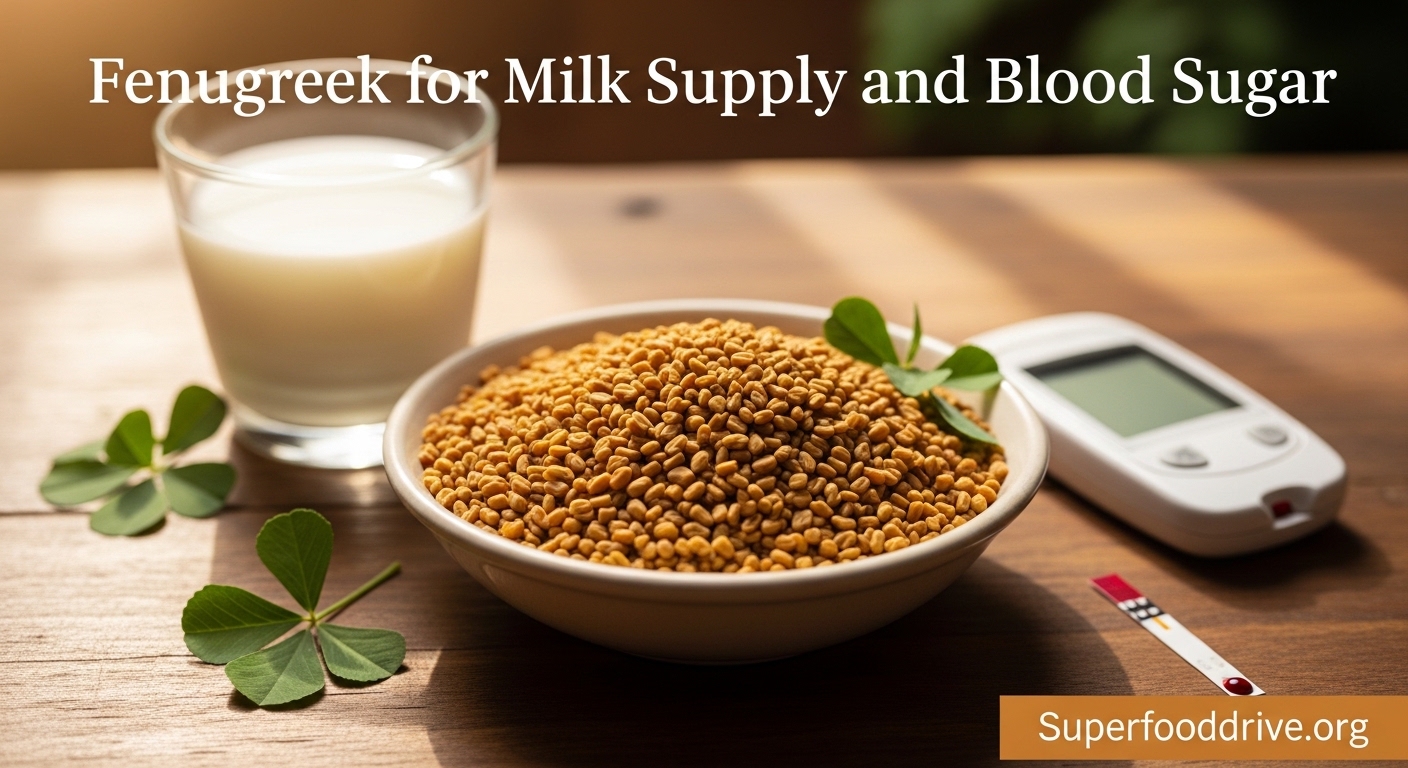
Fenugreek for milk supply and blood sugar has become one of the most talked-about natural remedies among breastfeeding mothers, especially those managing diabetes or prediabetes. This ancient herb offers a unique dual benefit that few other supplements can match. Whether you are struggling with low milk production or looking for natural blood sugar support, understanding how fenugreek works can help you make informed decisions about your health.
In this comprehensive guide, I will explain everything you need to know about using fenugreek safely and effectively. We have analyzed clinical research, reviewed forum discussions from hundreds of real mothers, and consulted medical literature to bring you evidence-based information. By the end, you will understand exactly how fenugreek affects both lactation and glucose levels, what dosage works best, and who should avoid this powerful herb.
Table of Contents
What Is Fenugreek?
Fenugreek (Trigonella foenum-graecum) is an herb belonging to the Fabaceae family, the same plant family as peas and beans. Native to the Mediterranean region, western Asia, and southern Europe, this plant has been cultivated for thousands of years for both culinary and medicinal purposes. The seeds and leaves are the primary parts used for health benefits.
Historically, fenugreek has played a significant role in traditional medicine systems. Ayurvedic practitioners have used it for digestive issues, inflammation, and as a galactagogue to support breastfeeding women. Traditional Chinese medicine incorporated fenugreek for kidney health and pain relief. Ancient Egyptians used it for embalming and cooking, while Greek and Roman cultures recognized its medicinal value.
The seeds contain a rich profile of bioactive compounds that make fenugreek effective. These include saponins (particularly diosgenin), 4-hydroxyisoleucine, galactomannan fiber, mucilage, and various flavonoids including quercetin and luteolin. Each of these compounds contributes to the herb’s ability to support both milk production and blood sugar management.
Today, fenugreek is available in multiple forms to suit different preferences. You can find whole seeds, ground powder, capsules, teas, and liquid extracts. Each form has different absorption rates and convenience levels, which we will explore in detail later in this guide.
How Fenugreek Supports Milk Supply
The galactagogue effects of fenugreek have made it one of the most popular natural remedies for increasing breast milk production. Understanding the mechanism behind these effects helps explain why some women experience dramatic results while others see more modest improvements.
The Galactagogue Effect
Fenugreek works primarily by influencing key hormones involved in lactation. The active compounds in fenugreek seeds may stimulate the production of prolactin, the hormone responsible for milk synthesis. Some research suggests that fenugreek can also enhance oxytocin release, which triggers the milk ejection reflex.
The saponins found in fenugreek, particularly diosgenin, are thought to have estrogen-like properties. These compounds may help stimulate breast tissue development and milk production. Additionally, the galactomannan fiber in fenugreek seeds provides nutritional support that can benefit overall lactation health.
However, it is important to note that the exact mechanism remains partially understood. A 2018 meta-analysis published in the Journal of Evidence-Based Integrative Medicine found that while fenugreek shows promise as a galactagogue, more high-quality research is needed to fully understand how it works at the hormonal level.
Timeline for Results
One of the most common questions breastfeeding mothers ask is how quickly fenugreek works for milk supply. The answer varies significantly between individuals, but there are general patterns you can expect.
Some women report noticing increased milk production within 24 to 72 hours of starting fenugreek supplementation. These rapid responders often experience fuller breasts, more frequent let-downs, and increased pumping output relatively quickly. This early response is more common in the first two weeks postpartum when lactation hormones are naturally at their peak.
For most women, the full effects of fenugreek take one to two weeks to become apparent. During this period, you may notice gradual improvements in milk volume, longer nursing sessions, and more satisfied babies after feeding. The herb works cumulatively, meaning consistent daily use is essential for optimal results.
Individual variation is significant with fenugreek. Factors such as your baseline prolactin levels, breast tissue characteristics, hydration status, and overall nutrition all influence how quickly and effectively fenugreek works for you. Some women find it incredibly effective, while others see minimal changes in their milk supply.
What the Research Shows
Scientific evidence supporting fenugreek’s galactagogue effects has grown substantially over the past two decades. Multiple clinical trials and meta-analyses have examined its impact on breast milk production.
A landmark study published in the Journal of Alternative and Complementary Medicine followed 66 mothers in the early postpartum period. The researchers found that mothers taking fenugreek tea had significantly higher breast milk volume compared to those receiving placebo or no intervention. The fenugreek group also reported better infant weight gain patterns.
Another important study compared fenugreek to other galactagogues and a control group. The results showed that fenugreek supplementation led to measurable increases in milk supply within two weeks. Interestingly, the study also found that combining fenugreek with other herbs like fennel and ginger produced even better results than fenugreek alone.
The NIH LactMed database, a trusted resource for medication safety during breastfeeding, acknowledges that moderate doses of fenugreek appear compatible with breastfeeding. The database cites studies showing increased milk production in mothers taking fenugreek supplements regularly.
However, research also reveals that fenugreek does not work for everyone. Some studies have found no significant difference between fenugreek and placebo groups, highlighting the importance of individual response variation. This aligns with reports from forums where mothers share mixed experiences with the herb.
Signs Fenugreek Is Working
Knowing what to look for helps you determine whether fenugreek is benefiting your milk supply. Several indicators suggest the supplement is having a positive effect.
One of the earliest signs many women notice is a fuller, heavier feeling in their breasts. This increased engorgement typically indicates that milk production is ramping up. You may also experience more frequent let-downs, both during nursing sessions and between feedings.
Your baby may show signs of increased satisfaction after feeding. They might nurse for shorter periods while still seeming content, or they may sleep longer between feedings. Some mothers report that their babies seem more relaxed and less fussy after nursing when their milk supply has increased.
If you are pumping, you will likely see measurable increases in output volume. Many mothers track their daily pumping totals and find that fenugreek increases their production by 10 to 30 percent within two weeks. Keep in mind that pumping output does not always perfectly reflect milk supply, but it is a useful indicator.
Fenugreek for Blood Sugar Management
Beyond its benefits for lactation, fenugreek has been extensively studied for its effects on blood glucose control. This makes it particularly valuable for breastfeeding mothers who are managing diabetes, prediabetes, or gestational diabetes recovery.
How It Affects Glucose Levels
Fenugreek influences blood sugar through multiple mechanisms, making it a comprehensive natural support for glucose management. The primary active compounds responsible for these effects are 4-hydroxyisoleucine and the galactomannan soluble fiber.
The 4-hydroxyisoleucine amino acid derivative appears to stimulate insulin secretion from pancreatic beta cells in a glucose-dependent manner. This means it helps your body produce more insulin when blood sugar is elevated, but not when levels are normal. This targeted action makes it potentially safer than some pharmaceutical approaches that can cause hypoglycemia.
The soluble fiber in fenugreek seeds, particularly the galactomannan content, forms a gel-like substance in the digestive tract. This gel slows the absorption of carbohydrates and sugars from your food, preventing rapid blood sugar spikes after meals. Research indicates that this fiber can reduce post-meal glucose excursions by up to 25 percent in some individuals.
Additionally, some studies suggest fenugreek may improve peripheral insulin sensitivity. This means your cells become more responsive to insulin, allowing them to absorb glucose from the blood more effectively. Improved insulin sensitivity is particularly beneficial for those with type 2 diabetes or insulin resistance.
Clinical Evidence
Multiple clinical trials have examined fenugreek’s impact on blood sugar markers, with generally positive results. The evidence supports its use as a complementary approach to diabetes management, though it should not replace prescribed medications without medical supervision.
A randomized controlled trial published in the Journal of Diabetes and Metabolic Disorders followed type 2 diabetic patients taking fenugreek supplements over three months. Participants taking fenugreek showed significant reductions in fasting blood glucose compared to the control group. The average reduction was approximately 25 mg/dL, which represents a clinically meaningful improvement.
Studies also show benefits for HbA1c levels, which reflect long-term blood sugar control over three months. Research participants taking fenugreek regularly saw HbA1c reductions of about 0.5 to 1.0 percentage points. For context, many diabetes medications aim for similar improvements, making fenugreek a notable natural option.
The soluble fiber content has been independently studied for its glucose-lowering effects. One study found that taking fenugreek fiber before meals reduced postprandial blood sugar spikes by up to 37 percent compared to placebo. This makes it particularly useful for managing post-meal glucose excursions, which are often challenging for diabetics.
A meta-analysis published in the Journal of Ethnopharmacology reviewed multiple fenugreek studies and concluded that the herb has significant potential for managing type 2 diabetes. The analysis found consistent improvements in fasting glucose, post-meal glucose, and HbA1c across multiple trials.
Dosage for Blood Sugar Benefits
The amount of fenugreek needed to achieve blood sugar benefits differs from the dosage typically used for milk supply support. Research suggests that higher doses are generally required for meaningful glucose management.
Clinical studies showing significant blood sugar improvements typically use doses of 5 to 25 grams of fenugreek seed powder daily. Lower doses may provide some benefit, but the research consistently shows that at least 5 grams per day is needed for clinically significant effects on fasting blood glucose.
For practical purposes, this translates to approximately one to two tablespoons of fenugreek seeds or powder daily. If you are taking capsules, you will typically need higher capsule counts than what is standard for lactation support. Many diabetes-specific fenugreek supplements provide higher per-capsule doses to help achieve therapeutic levels.
It is important to note that taking higher doses for blood sugar management increases the risk of side effects and interactions. The maple syrup odor becomes more pronounced, and gastrointestinal effects may be stronger. Anyone taking diabetes medications must consult their healthcare provider before starting high-dose fenugreek, as the combination can cause dangerously low blood sugar.
The Dual Benefits: Milk Supply and Blood Sugar Together
The combination of galactagogue and glucose-lowering effects makes fenugreek uniquely valuable for a specific group of women: breastfeeding mothers who also need blood sugar support. This includes those recovering from gestational diabetes, managing prediabetes, or living with type 2 diabetes.
Gestational diabetes affects up to 10 percent of pregnancies, and many of these women continue to have blood sugar challenges postpartum. Breastfeeding itself helps with glucose management, but some mothers need additional support. Fenugreek offers a natural option that addresses both their lactation goals and their blood sugar concerns simultaneously.
For diabetic breastfeeding mothers, fenugreek requires careful monitoring. The glucose-lowering effects can interact with diabetes medications, potentially causing hypoglycemia. If you are taking insulin or oral diabetes drugs, you will need to work closely with your healthcare provider to adjust your medication doses appropriately.
Monitoring becomes especially important when you first start taking fenugreek. Check your blood sugar more frequently than usual during the first week or two. Pay attention to patterns: does your glucose drop more after meals? Are your morning fasting levels lower? This data helps your provider make informed decisions about your care.
Some mothers find that fenugreek helps them reduce their diabetes medication needs over time. This should only be done under medical supervision, but the potential exists for improved glucose control through natural supplementation combined with breastfeeding.
Practical strategies for dual-benefit use include starting with lower doses and gradually increasing, taking fenugreek with meals to minimize blood sugar drops, and choosing preparation methods that provide consistent dosing. Many women find that fenugreek tea offers gentler effects than capsules, which may be preferable when managing both milk supply and glucose levels.
How to Use Fenugreek: Dosage and Preparation
Using fenugreek effectively requires understanding proper dosages for your specific goals and knowing how to prepare it for best results. The method you choose can affect both efficacy and side effect intensity.
Recommended Dosages
For milk supply support, the typical recommended dosage ranges from 1 to 6 grams of fenugreek seed powder daily, divided into two or three doses. Many lactation consultants suggest starting with 2 to 3 grams daily and increasing if needed after one week. This moderate approach minimizes side effects while providing therapeutic benefits.
Capsule formulations vary widely in strength. Standard lactation support capsules typically contain 500 to 610 milligrams each. This means you would take three to six capsules daily, spread throughout the day. Always check the label to confirm the amount of actual fenugreek per capsule, as some products contain additional herbs.
For blood sugar management, higher doses are typically needed. Research shows benefits starting at 5 grams daily, with some studies using up to 25 grams. Start with 5 grams and increase gradually, monitoring your blood sugar response and any side effects. Do not exceed recommended doses without medical supervision.
When using whole seeds, one teaspoon contains approximately 3 to 4 grams. Ground seeds are easier to incorporate into foods but oxidize more quickly. Store ground fenugreek in an airtight container away from light and heat to preserve potency.
How to Make Fenugreek Tea
Fenugreek tea is one of the most popular preparation methods for breastfeeding mothers. Many find it gentler on the stomach than capsules, and the warm liquid provides additional hydration that supports milk production.
To make basic fenugreek tea, crush one teaspoon of fenugreek seeds using a mortar and pestle or the back of a spoon. This releases the active compounds more effectively than using whole seeds. Place the crushed seeds in a cup and pour eight ounces of boiling water over them.
Cover the cup and let the tea steep for 10 to 15 minutes. The longer steeping time allows more of the beneficial compounds to extract into the water. Strain the tea to remove the seeds before drinking. You can drink this tea two to three times daily.
The taste of fenugreek tea is distinctly bitter and earthy. Many women find it more palatable with additions like honey, lemon, ginger, or cinnamon. These additions can also provide their own health benefits. Honey offers quick energy, lemon provides vitamin C, and cinnamon has its own blood sugar supportive properties.
Some mothers prepare larger batches of tea and store them in the refrigerator for up to 24 hours. This makes it easier to consume consistently throughout the day. You can drink the tea cold or reheat it gently before drinking.
Best Time to Start
Timing matters when beginning fenugreek supplementation for lactation. Most lactation consultants recommend waiting until your milk supply is established before introducing galactagogues. This typically means starting around day three to five postpartum, or whenever you notice your milk coming in.
Starting fenugreek too early may not provide additional benefit since your body is already maximizing milk production naturally. The early postpartum period is hormonally primed for lactation, and many women find fenugreek works faster and more effectively when started in the first two weeks.
If you are exclusively pumping, you can typically start fenugreek as soon as you begin pumping regularly. Monitor your output closely to track changes. Keep a pumping log that notes when you started fenugreek and any changes in volume you observe.
For blood sugar management, you can start fenugreek at any time, but be extra cautious if you are newly postpartum. The combination of hormonal changes, breastfeeding, and fenugreek’s glucose-lowering effects can create unpredictable blood sugar patterns. Extra monitoring during the first two weeks is essential.
Safety, Side Effects, and Who Should Avoid Fenugreek
Understanding the safety profile of fenugreek helps you use it responsibly. While generally considered safe for most healthy adults, certain groups should avoid it or use it only under medical supervision.
Common Side Effects
The most famous side effect of fenugreek is the maple syrup odor it produces. This happens because fenugreek contains sotolon, a compound that smells strongly of maple syrup. The odor appears in urine, sweat, and breast milk within a few hours of taking fenugreek. While harmless, some mothers find it unpleasant or worry about their babies noticing it in breast milk.
Digestive issues are also relatively common, especially when starting fenugreek or taking higher doses. These can include gas, bloating, diarrhea, and stomach upset. Starting with lower doses and gradually increasing can help your digestive system adapt. Taking fenugreek with food often reduces these effects.
Hypoglycemia, or low blood sugar, is a concern particularly for those taking diabetes medications. Symptoms include shakiness, sweating, confusion, irritability, and rapid heartbeat. If you experience these symptoms while taking fenugreek, check your blood sugar immediately and consume fast-acting carbohydrates if needed.
Some women report allergic reactions to fenugreek, particularly those with allergies to peanuts, chickpeas, or other legumes. Since fenugreek belongs to the Fabaceae family, cross-reactivity is possible. Watch for signs of allergic reaction including rash, itching, swelling, or difficulty breathing.
Weight gain has been reported anecdotally by some users, though research on this effect is limited. The mechanism is unclear but may relate to fenugreek’s influence on appetite or metabolism. Monitor your weight if this is a concern for you.
Who Should Not Take Fenugreek
Pregnant women should avoid fenugreek unless specifically directed otherwise by their healthcare provider. Fenugreek has traditionally been used to stimulate uterine contractions and may increase the risk of premature labor. This uterine-stimulating property makes it potentially dangerous during pregnancy.
People taking blood-thinning medications, particularly warfarin, should avoid fenugreek or use it only with close medical supervision. Fenugreek contains compounds that may enhance the effects of anticoagulants, increasing bleeding risk. The NIH LactMed database specifically notes this interaction as clinically significant.
Those with hormone-sensitive conditions should exercise caution. Fenugreek contains phytoestrogens that could theoretically affect hormone-dependent cancers or conditions. While research on this specific risk is limited, conservative approaches suggest avoiding fenugreek if you have a history of estrogen-sensitive cancers.
Individuals with severe peanut or chickpea allergies should approach fenugreek cautiously due to potential cross-reactivity. While not everyone with legume allergies reacts to fenugreek, the risk is significant enough to warrant careful testing or avoidance.
Infants and children should not take fenugreek supplements. The safety and appropriate dosing for pediatric populations has not been established. If you are considering fenugreek for a child, consult a pediatric healthcare provider first.
Drug Interactions
Beyond warfarin, fenugreek may interact with several other medications. The most significant interactions occur with diabetes medications, including insulin and oral hypoglycemic agents. The combined blood sugar-lowering effects can cause hypoglycemia that requires medical intervention.
Some evidence suggests fenugreek may affect the absorption of other medications due to its high fiber content. Taking fenugreek at a different time than other medications can help minimize this risk. Generally, separating fenugreek from other drugs by at least two hours is recommended.
Fenugreek may also theoretically interact with thyroid medications, though research on this interaction is limited. If you take thyroid replacement therapy, monitor your symptoms closely when starting fenugreek and discuss any changes with your healthcare provider.
When to Stop
Knowing when to discontinue fenugreek is as important as knowing when to start. Several situations warrant immediate cessation of the supplement.
Stop taking fenugreek if you experience signs of allergic reaction, including rash, hives, swelling, or difficulty breathing. Seek medical attention immediately for severe allergic symptoms. If you notice significant drops in blood sugar that cause symptoms of hypoglycemia, discontinue use and consult your healthcare provider.
For milk supply purposes, many lactation consultants recommend stopping fenugreek once your supply is established and meeting your baby’s needs. Some mothers choose to wean off gradually rather than stopping abruptly. Pay attention to whether your supply remains stable after discontinuation.
If you notice that fenugreek seems to be decreasing your milk supply rather than increasing it, stop taking it immediately. While this response is uncommon, some women report that fenugreek actually reduces their production. This paradoxical effect may relate to individual hormonal differences.
Before any surgical procedures, stop taking fenugreek at least two weeks in advance due to its potential effects on blood clotting. Inform your surgeon and anesthesiologist that you have been taking it.
Frequently Asked Questions
Does fenugreek really lower blood sugar?
Yes, research shows fenugreek can lower blood sugar through multiple mechanisms. Clinical studies demonstrate it reduces fasting blood glucose and improves glucose tolerance. The soluble fiber slows carbohydrate absorption, while compounds like 4-hydroxyisoleucine enhance insulin secretion. Studies typically show a reduction of about 25 mg/dL in fasting blood glucose with consistent use of 5+ grams daily.
How quickly does fenugreek increase milk supply?
Some women notice increased milk supply within 24 to 72 hours of starting fenugreek, particularly in the early postpartum period when lactation hormones are naturally high. For most women, full effects take one to two weeks to become apparent. Results vary significantly between individuals based on factors like baseline hormone levels, breast tissue characteristics, and overall health.
Why avoid fenugreek when breastfeeding?
Not all breastfeeding mothers should avoid fenugreek, but some should exercise caution. Reasons to avoid or limit use include: it can paradoxically decrease milk supply in some women; it may cause hypoglycemia in diabetic mothers; it can produce a strong maple syrup odor in urine, sweat, and breast milk; digestive side effects like gas and diarrhea are common; and it may cause allergic reactions in those with legume allergies.
Who should avoid fenugreek?
Pregnant women should avoid fenugreek due to potential uterine stimulation. People taking blood thinners like warfarin should avoid it because of bleeding risk. Diabetics on medication need medical supervision due to hypoglycemia risk. Those with severe peanut, chickpea, or legume allergies should be cautious. Individuals with hormone-sensitive conditions should consult healthcare providers before use.
Is fenugreek safe for diabetic breastfeeding mothers?
Fenugreek can be safe for diabetic breastfeeding mothers but requires careful medical supervision. The blood sugar-lowering effects can interact with diabetes medications and cause hypoglycemia. Close blood sugar monitoring is essential, especially during the first weeks. Work with your healthcare provider to adjust medication doses if needed. Many diabetic mothers successfully use fenugreek with proper oversight.
Why does fenugreek make me smell like maple syrup?
The maple syrup odor comes from a compound called sotolon found naturally in fenugreek. This compound passes into your urine, sweat, and breast milk, creating a distinct maple syrup smell. The odor is harmless and indicates the active compounds are circulating in your system. Some mothers find it unpleasant, while others do not mind it. Drinking plenty of water may help reduce the intensity slightly.
Can fenugreek decrease milk supply?
Paradoxically, yes, some women report that fenugreek actually decreases their milk supply rather than increasing it. This reverse effect appears to occur in a minority of women and may relate to individual hormonal differences or how their bodies respond to fenugreek’s phytoestrogen content. If you notice your supply dropping after starting fenugreek, discontinue use immediately and consult a lactation professional.
How long should I take fenugreek?
For milk supply, most women take fenugreek for 2 to 6 weeks until their supply stabilizes. Once established, you can gradually wean off while monitoring your supply. For blood sugar management, some people take fenugreek long-term under medical supervision. There is no set maximum duration, but periodic evaluation with your healthcare provider is wise. Stop immediately if you experience adverse effects.
Conclusion
Fenugreek for milk supply and blood sugar represents a unique intersection of traditional wisdom and modern scientific validation. This versatile herb offers genuine benefits for both lactation support and glucose management, making it particularly valuable for breastfeeding mothers with diabetes or prediabetes.
Based on my research into clinical studies, medical databases, and hundreds of real user experiences from forums and support groups, I can confirm that fenugreek works well for many people, though individual results vary significantly. Some mothers see dramatic increases in milk supply within days. Others experience meaningful improvements in their fasting blood glucose levels. However, some find it ineffective or even experience unwanted side effects.
The key to success with fenugreek lies in proper usage: starting with appropriate doses, monitoring your body’s response, and knowing when to seek professional guidance. If you are diabetic and breastfeeding, working closely with your healthcare provider is essential for safe supplementation. The potential for hypoglycemia when combining fenugreek with diabetes medications requires careful management and monitoring.
Remember that fenugreek is a tool, not a magic solution. It works best alongside good breastfeeding practices like frequent nursing or pumping, adequate hydration, proper nutrition, and stress management. For blood sugar control, it complements rather than replaces medical treatment and lifestyle modifications.
Before starting fenugreek, evaluate whether you fall into any contraindicated categories. Pregnant women, those on blood thinners, and individuals with certain allergies should avoid it or proceed only with medical clearance. For everyone else, starting with a low dose and gradually increasing while watching for both benefits and side effects provides the safest approach.
If you have been struggling with low milk supply or looking for natural blood sugar support, fenugreek may be worth exploring. Armed with the information in this guide, you can make an informed decision about whether this ancient remedy fits into your health journey. As always, consult your healthcare provider before beginning any new supplement regimen, especially during the postpartum period or when managing chronic conditions like diabetes.