
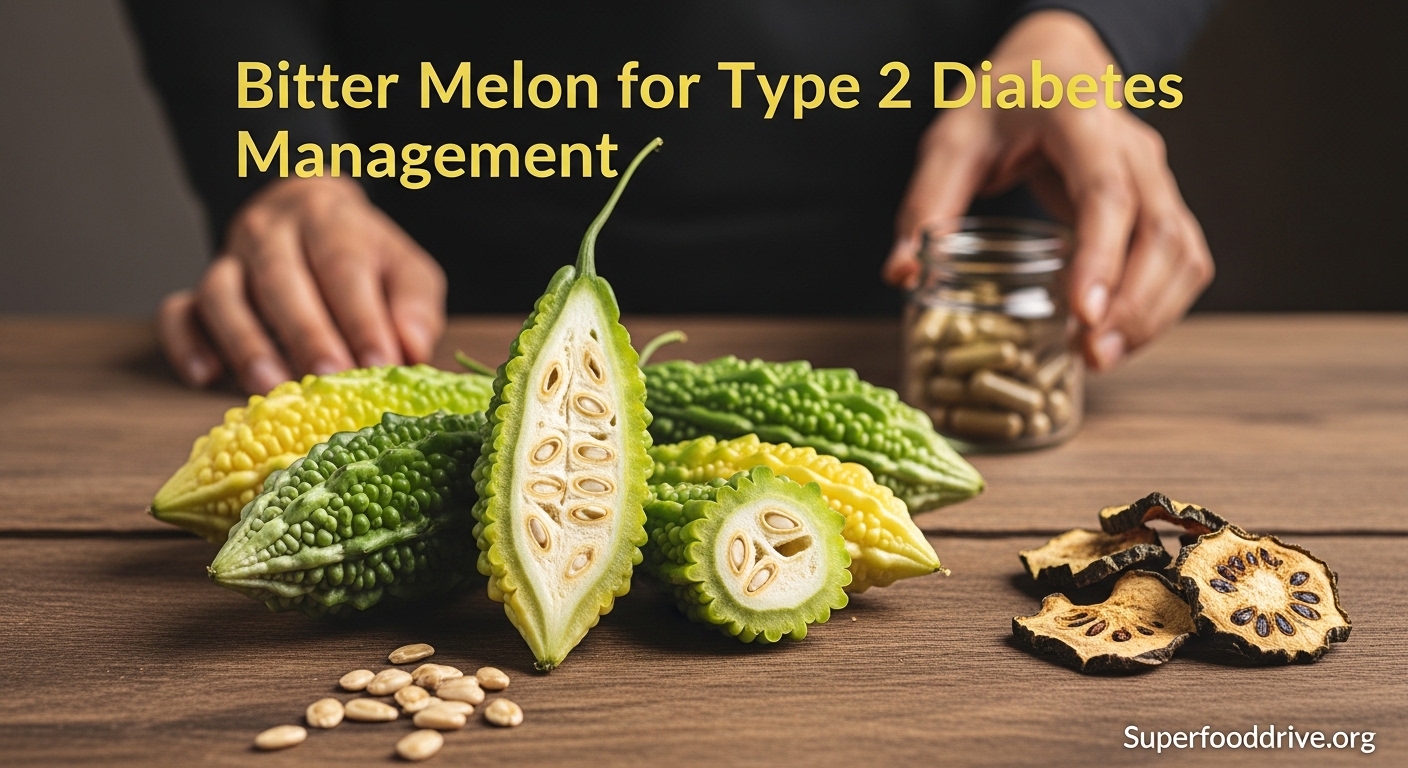
Bitter melon has gained attention as a natural remedy for blood sugar control, with research suggesting it may help people with type 2 diabetes manage their glucose levels. This tropical fruit contains compounds that act similarly to insulin, making it a popular complementary therapy alongside conventional diabetes treatments.
In this guide, you will learn what bitter melon is, how it affects blood sugar, what scientific research says about its effectiveness, safe dosage recommendations, and important safety precautions. This information is for educational purposes only and should not replace advice from your healthcare provider.
Table of Contents
What Is Bitter Melon
Bitter melon, scientifically known as Momordica charantia, is a tropical and subtropical vine that produces a distinctive bumpy fruit. Also called bitter gourd, karela, or balsam pear, this fruit is widely cultivated in Asia, Africa, and the Caribbean for both culinary and medicinal purposes.
The fruit has a notoriously bitter taste that becomes more pronounced as it ripens. When unripe, it resembles a small cucumber with rough, warty skin. As it matures, the interior turns bright red and becomes sweeter, though the rind remains intensely bitter.
Traditional medicine systems, particularly Ayurveda and Traditional Chinese Medicine, have used bitter melon for centuries to treat diabetes and other metabolic conditions. The entire plant is edible, including the fruit, seeds, leaves, and vines, though the fruit is most commonly consumed.
How Bitter Melon Affects Blood Sugar
Bitter melon helps lower blood glucose through multiple mechanisms that mimic and support the body’s natural insulin function. Research has identified several active compounds responsible for these hypoglycemic effects.
The primary active compounds in bitter melon include charantin, vicine, polypeptide-p, and lectin. Charantin appears to stimulate glucose uptake into cells. Polypeptide-p acts as an insulin-like compound that may help glucose enter peripheral tissues. Lectin has been shown to suppress appetite and may act on peripheral tissues to lower blood glucose concentrations.
Additionally, bitter melon may improve insulin sensitivity in muscle and fat cells, helping the body use insulin more effectively. It may also reduce glucose production in the liver and slow carbohydrate absorption in the digestive tract.
Studies suggest these effects can lead to reduced fasting blood glucose levels and potentially lower A1c readings over time. However, the degree of blood sugar reduction varies significantly between individuals.
What the Research Says About Bitter Melon and Diabetes
Scientific research on bitter melon for type 2 diabetes has produced mixed but generally promising results. Several clinical studies have demonstrated blood sugar-lowering effects, though the evidence is not as robust as that for conventional diabetes medications.
A 2023 study published in PMC found that taking 600mg of bitter melon extract daily for three months significantly improved blood glucose levels in diabetic patients. Another study from 2025 showed that bitter melon extract lowered fasting blood glucose after just four weeks of use.
Research published in the Journal of Ethnopharmacology compared bitter melon extract to metformin, a common diabetes medication. Participants taking 2,000mg of bitter melon daily showed similar glucose-lowering effects to those taking 1,000mg of metformin, though results varied among participants.
However, not all studies have shown positive results. Some clinical trials found no significant difference between bitter melon and placebo for blood sugar control. The variability in study designs, bitter melon preparations, and participant populations makes it difficult to draw definitive conclusions.
The American Diabetes Association and other major medical organizations do not currently recommend bitter melon as a standalone treatment for diabetes. Instead, it is viewed as a potential complementary therapy that may provide modest benefits when used alongside conventional treatments.
Forms and Dosage: How to Use Bitter Melon for Diabetics
Bitter melon is available in several forms, each with different potency and convenience factors. The amount of bitter melon a diabetic should consume depends on the form chosen and individual response.
Fresh Bitter Melon: Consuming the fresh fruit provides the most natural form of the active compounds. Most studies suggest a range of 50 to 100 milliliters of fresh juice daily, or approximately 2 to 3 ounces. You can also eat cooked bitter melon as part of meals, though cooking may reduce some active compounds.
Bitter Melon Juice: Fresh juice is highly concentrated and potent. Start with 1 to 2 tablespoons daily and monitor your blood sugar response. Do not exceed 2 ounces (about 60ml) per day without medical supervision.
Bitter Melon Tea: Tea made from dried bitter melon slices or leaves is milder than juice. You can drink 1 to 2 cups daily. This form is easier on the stomach but may have less potent blood sugar effects.
Supplements: Standardized extracts in capsule or tablet form typically contain 500 to 600mg per dose. Most research uses doses of 1,000 to 2,000mg daily, divided into two or three doses. Some studies used up to 3,000mg daily, but higher doses increase the risk of side effects.
Forum users report that starting with lower doses and gradually increasing based on blood sugar monitoring works best. One user reported success with 2 tablespoons of juice every other day, while others found daily supplementation more effective.
Safety Precautions and Side Effects
While generally considered safe for most adults, bitter melon can cause side effects and interact dangerously with diabetes medications. Understanding these risks is essential before adding bitter melon to your diabetes management plan.
Common Side Effects: Many people experience digestive upset including diarrhea, abdominal cramps, and stomach pain. The bitter taste itself can cause nausea in some individuals. Headaches and vomiting have also been reported at higher doses.
Hypoglycemia Risk: The most serious concern when combining bitter melon with diabetes medications is hypoglycemia, or dangerously low blood sugar. Forum users consistently warn about this risk, with several reporting blood sugar drops when combining bitter melon with metformin or insulin. Symptoms include shakiness, sweating, confusion, rapid heartbeat, and dizziness.
Who Should Avoid Bitter Melon:
- Pregnant women: Bitter melon may cause uterine bleeding and miscarriage
- People with G6PD deficiency: Can trigger favism, a serious blood condition
- Those with liver disease: May worsen liver function
- People scheduled for surgery: Should stop use two weeks before procedures
- Children: Safety not established
Drug Interactions: Bitter melon may interact with diabetes medications including insulin, metformin, sulfonylureas, and others that lower blood sugar. The combination can cause additive hypoglycemic effects. Blood thinners and some HIV medications may also interact with bitter melon.
Long-term Safety: Long-term use data is limited. Some animal studies suggest potential liver and kidney effects at very high doses, though human data is lacking. Most experts recommend periodic breaks from supplementation and regular monitoring of liver function.
Practical Tips for Using Bitter Melon
Incorporating bitter melon into your diabetes management routine requires some planning and preparation. These practical tips can help you use it safely and effectively.
Preparing Fresh Bitter Melon: To reduce bitterness, slice the fruit lengthwise, remove seeds, and soak the flesh in salted water for 30 minutes before cooking. Blanching in boiling water for 2 to 3 minutes also helps. Bitter melon can be stir-fried, stuffed, added to soups, or juiced.
Where to Find It: Fresh bitter melon is available at Asian grocery stores, farmers markets in diverse communities, and some specialty produce markets. It is typically inexpensive and abundant where stocked. Supplements are widely available online and at health food stores.
Monitoring Guidelines: If you start using bitter melon, monitor your blood sugar more frequently, especially before and 2 hours after meals. Keep a log of your doses and glucose readings to share with your healthcare provider. Users with continuous glucose monitors report seeing effects within hours of consumption.
Starting Protocol: Begin with the lowest recommended dose and increase gradually over 2 to 3 weeks. This allows your body to adjust and helps you identify your optimal dosage. Never abruptly stop prescribed diabetes medications without medical supervision.
Signs It’s Working: You may notice more stable blood sugar readings, reduced spikes after meals, and potentially lower fasting glucose over 4 to 8 weeks. However, not everyone responds to bitter melon, and lack of response does not indicate treatment failure.
Frequently Asked Questions
How much bitter melon should a diabetic eat?
Most research suggests consuming 50 to 100ml of fresh bitter melon juice daily, or 1,000 to 2,000mg of standardized extract in supplement form. Start with lower doses and gradually increase while monitoring blood sugar. Do not exceed 2 ounces of juice or 3,000mg of extract daily without medical supervision.
How long does bitter melon take to work?
Some users report seeing blood sugar effects within hours of consumption, while clinical studies typically measure results after 4 to 12 weeks of consistent use. For A1c reduction, expect to see changes after 8 to 12 weeks. Individual response varies significantly.
Can bitter melon replace my diabetes medication?
No, bitter melon should not replace prescribed diabetes medications. While research shows potential blood sugar-lowering effects, the evidence is not strong enough to recommend it as a standalone treatment. Always continue prescribed medications unless your doctor advises otherwise. Bitter melon is best used as a complementary therapy alongside conventional treatment.
Is bitter melon safe to take with metformin?
Bitter melon can be taken with metformin, but you must monitor for hypoglycemia. Both lower blood sugar, and the combination can cause blood sugar to drop too low. Start with low doses, check blood sugar frequently, and consult your healthcare provider before combining them.
What form of bitter melon is most effective?
Fresh bitter melon and juice appear most potent, but supplements offer consistency and convenience. Research using standardized extracts has shown measurable results. The best form depends on your lifestyle, tolerance for the bitter taste, and ability to monitor blood sugar consistently.
Bitter Melon for Type 2 Diabetes: Key Takeaways
Bitter melon shows promise as a complementary therapy for blood sugar management in type 2 diabetes, with active compounds that mimic insulin and improve glucose uptake. Research demonstrates modest blood sugar-lowering effects, though results vary between individuals and studies.
Safe use requires starting with low doses, monitoring blood sugar carefully, and avoiding combination with diabetes medications without medical supervision. Pregnant women, those with G6PD deficiency, and people with liver disease should avoid bitter melon entirely.
Before adding bitter melon to your diabetes management plan, discuss it with your healthcare provider. They can help you determine appropriate dosing, monitor for interactions with your current medications, and track your progress safely.