
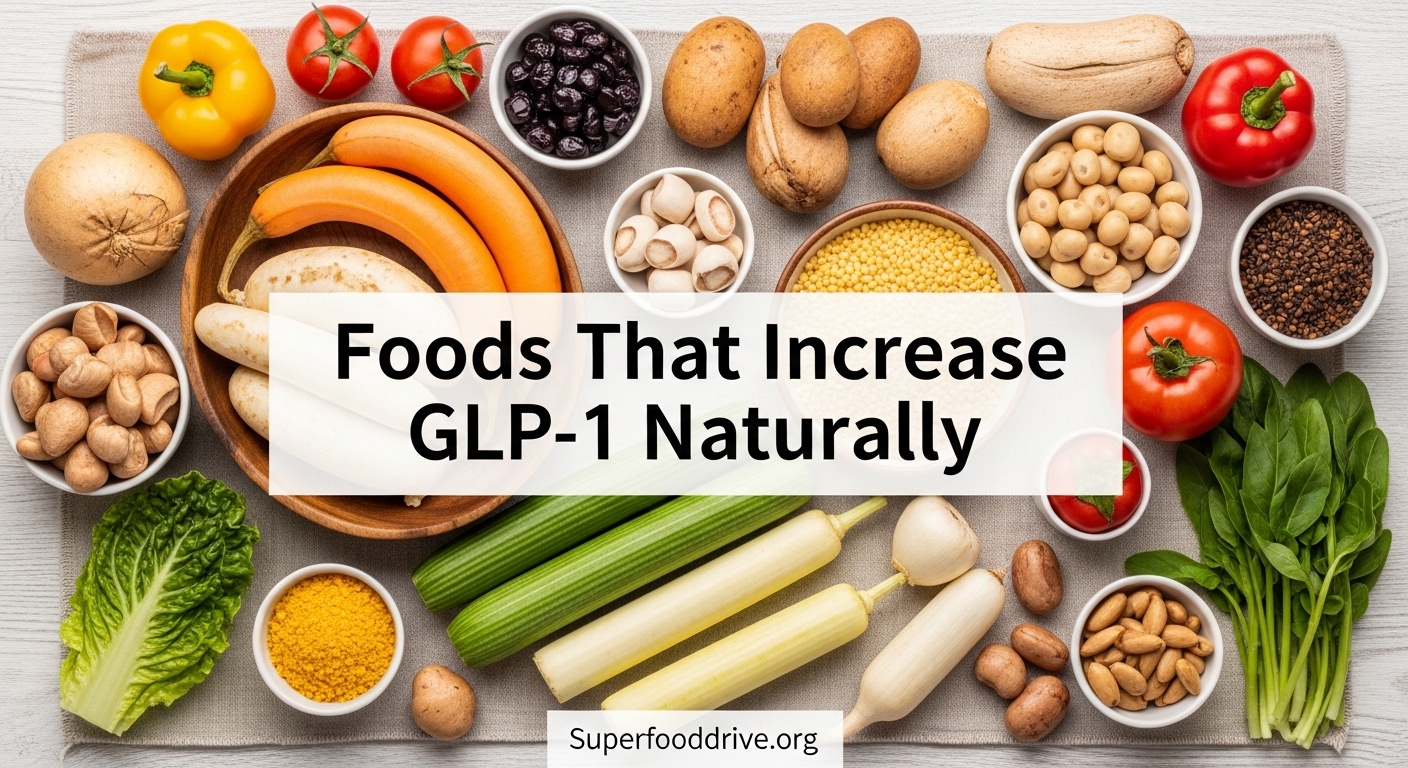
Everyone seems to be talking about GLP-1 medications like Ozempic and Wegovy these days. But what if you could support your body’s natural GLP-1 production through food alone? After spending months researching the science behind this powerful hormone and testing different dietary approaches, I’ve discovered that certain foods can genuinely help boost your body’s GLP-1 levels naturally.
In this comprehensive guide, you’ll learn exactly what GLP-1 is, how it works in your body, and most importantly, which foods that increase GLP-1 naturally can support your appetite control and blood sugar management goals. Whether you’re looking for natural alternatives to medication or simply want to enhance your metabolic health, this article will give you actionable strategies you can implement today.
Table of Contents
What Is GLP-1 and Why Does It Matter?
GLP-1 stands for glucagon-like peptide-1, a hormone your body produces in the small intestine. Think of it as your body’s natural appetite regulator and blood sugar manager. When you eat, specialized cells called L-cells release GLP-1 into your bloodstream. This hormone then sends signals to multiple parts of your body.
Your pancreas receives instructions to release insulin, which helps move sugar from your blood into your cells. Your stomach gets the message to slow down digestion, keeping food in your stomach longer so you feel full. Your brain receives satiety signals that tell you to stop eating. Without adequate GLP-1, these processes break down, leading to increased hunger, blood sugar spikes, and difficulty managing weight.
Popular medications like Ozempic and Wegovy work by mimicking this natural hormone. However, understanding foods that increase GLP-1 naturally gives you a foundation for supporting your body’s own production. While food won’t replicate the effects of medication at prescription doses, research shows dietary choices can meaningfully impact your GLP-1 levels.
How Food Triggers GLP-1 Production
Not all foods stimulate GLP-1 equally. Your intestinal L-cells are particularly responsive to specific nutrients. Protein triggers the strongest GLP-1 response, especially when consumed in adequate amounts. Fiber, particularly fermentable fiber, feeds your gut bacteria which then produce short-chain fatty acids that stimulate GLP-1 release. Healthy fats also trigger GLP-1 secretion, though more moderately than protein.
The mechanism works like this: when these nutrients reach your lower intestine, they activate receptors on L-cells. These cells then package and release GLP-1 into your bloodstream. The hormone travels to your pancreas, stomach, and brain, creating the cascade of effects that help regulate appetite and blood sugar. This is why foods that increase GLP-1 naturally tend to be whole, nutrient-dense options rather than processed foods.
Foods That Increase GLP-1 Naturally: The Complete List
Let’s break down the specific foods that research shows can boost your body’s GLP-1 production. I’ve organized these by category to make meal planning easier.
High-Quality Protein Sources
Protein is the champion when it comes to stimulating GLP-1. Studies consistently show that protein-rich meals trigger the strongest GLP-1 response compared to carbohydrates or fats alone. Aim to include a quality protein source at every meal.
Lean meats: Chicken breast, turkey, and lean cuts of beef provide complete protein with minimal saturated fat. A 4-6 ounce serving at meals gives you about 25-40 grams of protein. These are among the most reliable foods that increase GLP-1 naturally.
Fish and seafood: Salmon, mackerel, sardines, shrimp, and cod offer protein plus omega-3 fatty acids, creating a double benefit for GLP-1 stimulation. Fatty fish like salmon are particularly effective due to their healthy fat content combined with high-quality protein.
Eggs: Whole eggs are incredibly nutrient-dense and affordable. Research specifically shows that eggs stimulate GLP-1 release effectively. The combination of protein and healthy fats in the yolk makes eggs a breakfast powerhouse for appetite control.
Greek yogurt and cottage cheese: These dairy options provide protein plus fermentation benefits. Greek yogurt contains about 15-20 grams of protein per serving. Cottage cheese offers casein protein, which digests slowly and may extend the GLP-1 response.
Legumes: Beans, lentils, and chickpeas deliver plant-based protein combined with fiber. This combination creates a powerful GLP-1 boost. A cup of cooked lentils provides 18 grams of protein plus 16 grams of fiber.
Nuts and seeds: While not as protein-dense as meat, almonds, walnuts, pumpkin seeds, and chia seeds provide protein alongside healthy fats. They’re excellent between-meal options that support steady GLP-1 levels.
Healthy Fats That Support GLP-1
While protein takes the lead, dietary fats play an important supporting role in GLP-1 production. The key is choosing the right types of fats.
Avocado: Rich in monounsaturated fats, avocados have been shown to stimulate GLP-1 release. Adding half an avocado to meals not only boosts satiety but also supports your body’s natural hormone production.
Olive oil: Extra virgin olive oil contains compounds that may enhance GLP-1 secretion. Using it as your primary cooking fat or drizzling it over vegetables adds healthy fats to meals without much effort.
Fatty fish: As mentioned with proteins, salmon, mackerel, sardines, and herring provide omega-3 fatty acids that support GLP-1 production. Aim for 2-3 servings per week.
Nuts: Walnuts are particularly beneficial due to their omega-3 content. Almonds, pistachios, and other tree nuts provide monounsaturated fats that support GLP-1 function. A small handful (about 1 ounce) makes an ideal snack.
Chia seeds and flaxseeds: These seeds provide omega-3s in plant form plus fiber. When soaked, they create a gel that slows digestion and extends the GLP-1 response.
High-Fiber Foods for GLP-1 Production
Fiber, particularly soluble and fermentable fiber, feeds your gut bacteria. These bacteria then produce short-chain fatty acids like butyrate, which directly stimulate L-cells to release GLP-1. This gut-hormone connection makes fiber essential for natural GLP-1 support.
Oats: Oatmeal contains beta-glucan, a soluble fiber that feeds beneficial gut bacteria. Starting your day with oats provides sustained GLP-1 stimulation throughout the morning.
Chia seeds: These tiny seeds pack massive fiber content, about 10 grams per ounce. They absorb water and expand in your stomach, slowing digestion and promoting GLP-1 release.
Flaxseeds: Ground flaxseed provides lignans and fiber that support gut health. Add a tablespoon to smoothies, yogurt, or oatmeal for an easy fiber boost.
Beans and lentils: These legumes top the fiber charts with 15-16 grams per cooked cup. Their combination of protein and fiber makes them superstar foods that increase GLP-1 naturally.
Non-starchy vegetables: Broccoli, Brussels sprouts, leafy greens, and cauliflower provide fiber with minimal calories. Their bulk fills your stomach while their fiber feeds gut bacteria.
Berries: Raspberries, blackberries, and blueberries offer fiber plus antioxidants. A cup of raspberries contains 8 grams of fiber, making them one of the best fruits for GLP-1 support.
Fermented Foods and Probiotics
Your gut microbiome directly influences GLP-1 production. Fermented foods introduce beneficial bacteria that enhance this gut-hormone connection.
Yogurt and kefir: These cultured dairy products provide probiotics plus protein. Look for plain varieties with live active cultures. Greek yogurt offers the added benefit of higher protein content.
Sauerkraut and kimchi: Fermented vegetables provide probiotics alongside fiber. Just a few tablespoons with meals supports gut health and GLP-1 production.
Tempeh: This fermented soybean product offers complete protein plus fermentation benefits. It’s an excellent plant-based protein option that supports GLP-1.
Miso: Fermented soybean paste adds flavor and probiotics to soups and dressings. Use it as a base for broths or marinades.
Kombucha: This fermented tea provides probiotics in beverage form. While research specifically on kombucha and GLP-1 is limited, its gut health benefits support the broader hormone production pathway.
Functional Foods and Compounds
Beyond the basic food categories, certain functional foods and compounds show promise for supporting GLP-1 production.
Dark chocolate: Cocoa contains compounds that may stimulate GLP-1 release. Choose varieties with 70% cacao or higher and consume in moderation. A small square after meals could provide benefits.
Green tea: The catechins in green tea, particularly EGCG, may support GLP-1 production. Studies suggest 2-3 cups daily could provide metabolic benefits.
Coffee: Research shows mixed but promising results for coffee and GLP-1. Some studies indicate coffee may stimulate GLP-1 release, particularly when consumed before meals. The effect seems strongest with moderate consumption (1-2 cups).
Cinnamon: This spice may enhance insulin sensitivity and support GLP-1 function. Add it to oatmeal, coffee, or yogurt for flavor and potential benefits.
Turmeric: The curcumin in turmeric shows anti-inflammatory properties that may support gut health and GLP-1 production. Pair with black pepper to enhance absorption.
Meal Sequencing: The Order You Eat Matters
Here’s a strategy most people overlook: the order in which you eat foods can significantly impact your GLP-1 response. Research from Weill Cornell Medical College shows that eating protein and vegetables before carbohydrates produces better blood sugar control and greater satiety.
The optimal sequence works like this. Start with protein and healthy fats. These stimulate GLP-1 early, priming your body for the meal ahead. Next, eat your vegetables and fiber-rich foods. Finally, consume any carbohydrates. This sequence slows digestion, extends the GLP-1 response, and prevents blood sugar spikes.
Practically speaking, if you’re having chicken, broccoli, and rice, eat the chicken first, then the broccoli, then the rice. This simple change can make a meaningful difference in your GLP-1 production and overall metabolic response.
Meal Timing and Eating Patterns for GLP-1
When you eat matters almost as much as what you eat. Your body has natural rhythms that affect hormone production, including GLP-1. Aligning your eating patterns with these rhythms can optimize your results.
Eat a protein-rich breakfast within 1-2 hours of waking. Your GLP-1 response is typically strongest in the morning. Starting with a substantial breakfast sets up better appetite control throughout the day. Include at least 20-30 grams of protein.
Space meals 4-5 hours apart. Constant snacking keeps insulin elevated and may blunt the GLP-1 response. Give your digestive system time to fully process each meal. This approach also allows the natural rise and fall of hunger hormones.
Finish eating 3-4 hours before bed. Late-night eating disrupts your circadian rhythm and can impair GLP-1 production. Your digestive system works best during daylight hours. An earlier dinner supports both hormone production and sleep quality.
Consider time-restricted eating. Some research suggests eating within a 10-12 hour window may enhance GLP-1 sensitivity. This approach also naturally limits late-night snacking.
Sample One-Day Meal Plan
Here’s how to put these principles into practice with a full day of GLP-1 supporting meals.
Breakfast (7:00 AM): Greek yogurt parfait with chia seeds, mixed berries, and a sprinkle of cinnamon. Start with the yogurt, then add toppings. This provides protein, fiber, and healthy fats to stimulate morning GLP-1.
Mid-morning: Green tea. The catechins support GLP-1 production and provide gentle caffeine.
Lunch (12:30 PM): Grilled salmon over mixed greens with olive oil dressing, topped with avocado. Add a small side of quinoa if desired, eaten last. This combines protein, healthy fats, and fiber in optimal sequence.
Afternoon: A small handful of almonds or walnuts. The healthy fats provide sustained energy and GLP-1 support.
Dinner (6:30 PM): Chicken breast with roasted Brussels sprouts and broccoli. Finish with a small square of dark chocolate if desired. This protein and fiber-rich meal supports evening satiety.
Lifestyle Factors That Boost GLP-1
Food is just one piece of the puzzle. Several lifestyle factors significantly impact your body’s GLP-1 production.
Exercise and Physical Activity
Movement stimulates GLP-1 release both during and after exercise. Even a 20-minute walk after meals can enhance the GLP-1 response. Resistance training also supports GLP-1 production and improves insulin sensitivity. Aim for at least 150 minutes of moderate activity weekly.
Sleep Quality
Poor sleep disrupts multiple hormones, including GLP-1. Studies show that sleep deprivation reduces GLP-1 levels and increases hunger. Prioritize 7-9 hours of quality sleep. Create a consistent sleep schedule and minimize screens before bed.
Stress Management
Chronic stress elevates cortisol, which can interfere with GLP-1 function. Stress reduction techniques like meditation, deep breathing, and time in nature support healthy hormone balance. Even 10 minutes of daily mindfulness practice can help.
Circadian Rhythm Alignment
Your body clock regulates GLP-1 production. Eating in alignment with daylight hours, getting morning sunlight exposure, and maintaining consistent meal times all support optimal hormone function. This natural rhythm is more powerful than most people realize.
GLP-1 Myths vs Facts
Let’s clear up some common misconceptions about natural GLP-1 support.
Myth: Natural foods work exactly like Ozempic.
Fact: While foods that increase GLP-1 naturally can support your body’s production, they cannot replicate the effects of GLP-1 medications at therapeutic doses. Natural approaches support your baseline hormone production. Medications provide supraphysiologic levels. Both have their place.
Myth: You can feel GLP-1 working.
Fact: GLP-1 works behind the scenes. You might notice reduced hunger, better blood sugar control, or improved satiety, but you won’t “feel” the hormone itself. These effects build gradually over weeks.
Myth: More protein always means more GLP-1.
Fact: While protein stimulates GLP-1, there’s a point of diminishing returns. Excessive protein doesn’t necessarily produce greater benefits. Quality and distribution throughout the day matter more than massive single servings.
How Long Until You See Results?
This is the question everyone asks. The honest answer: it varies. Most people notice improved satiety within a few days of implementing these dietary strategies. Blood sugar stabilization typically becomes noticeable within 1-2 weeks. Weight changes, if they occur, usually become apparent after 4-6 weeks of consistent practice.
Remember that natural GLP-1 support works gradually. Unlike medications that provide immediate, dramatic effects, dietary changes support your body’s natural systems. The benefits compound over time as your gut health improves and your body adapts.
Frequently Asked Questions
How can I increase my GLP-1 hormone naturally?
You can increase GLP-1 naturally by eating protein-rich foods at every meal, consuming high-fiber foods like oats and legumes, adding healthy fats from avocados and nuts, including fermented foods for gut health, and practicing meal sequencing by eating protein and vegetables before carbohydrates. Regular exercise, quality sleep, and stress management also support GLP-1 production.
What foods work like Ozempic?
No foods work exactly like Ozempic, which provides supraphysiologic GLP-1 levels. However, foods that increase GLP-1 naturally include eggs, Greek yogurt, salmon, chicken, avocados, nuts, oats, beans, and fermented foods like sauerkraut and kimchi. These support your body’s natural hormone production rather than replacing medication.
Which foods naturally trigger GLP-1?
Protein-rich foods trigger GLP-1 most effectively, including eggs, fish, chicken, Greek yogurt, and legumes. High-fiber foods like oats, chia seeds, and beans also stimulate GLP-1 through gut bacteria. Healthy fats from avocados, olive oil, and nuts provide moderate GLP-1 support. Fermented foods enhance the gut-hormone connection.
Does coffee stimulate GLP-1?
Research shows mixed but promising results for coffee and GLP-1. Some studies suggest coffee may stimulate GLP-1 release, particularly when consumed before meals. The effect appears strongest with moderate consumption of 1-2 cups daily. However, excessive caffeine may have negative effects on blood sugar control for some people.
How long does it take to see results from natural GLP-1 boosters?
Most people notice improved satiety within a few days of implementing GLP-1 supporting dietary strategies. Blood sugar stabilization typically becomes noticeable within 1-2 weeks. Weight changes, if they occur, usually become apparent after 4-6 weeks of consistent practice. Unlike medications, natural approaches work gradually and compound over time.
Key Takeaways: Foods That Increase GLP-1 Naturally
Supporting your body’s natural GLP-1 production is about consistent habits, not perfection. Focus on protein at every meal, add fiber-rich foods daily, include healthy fats, and eat fermented foods regularly. Remember that meal sequencing and timing matter as much as food choices.
Start with one or two changes rather than overhauling everything at once. Add eggs to your breakfast. Swap white rice for beans. Take a walk after dinner. These small steps build momentum and create lasting habits.
While foods that increase GLP-1 naturally won’t replicate prescription medications, they provide meaningful support for appetite control, blood sugar management, and overall metabolic health. The combination of smart nutrition, regular movement, quality sleep, and stress management creates the foundation for lasting results.
Remember that everyone’s body responds differently. Pay attention to how you feel, track your hunger and energy levels, and adjust based on your individual response. Natural GLP-1 support is a journey, not a quick fix. Stay consistent, be patient, and trust the process.