
After turning 40, I noticed something unsettling. Words that once came easily started feeling just out of reach. Names slipped my mind mid-conversation, and that afternoon mental fog became a regular visitor.
Sound familiar? You are not alone. Research from the University of Virginia shows that processing speed and working memory begin declining in our late 30s and early 40s. The good news? What we eat can profoundly influence how our brains age.
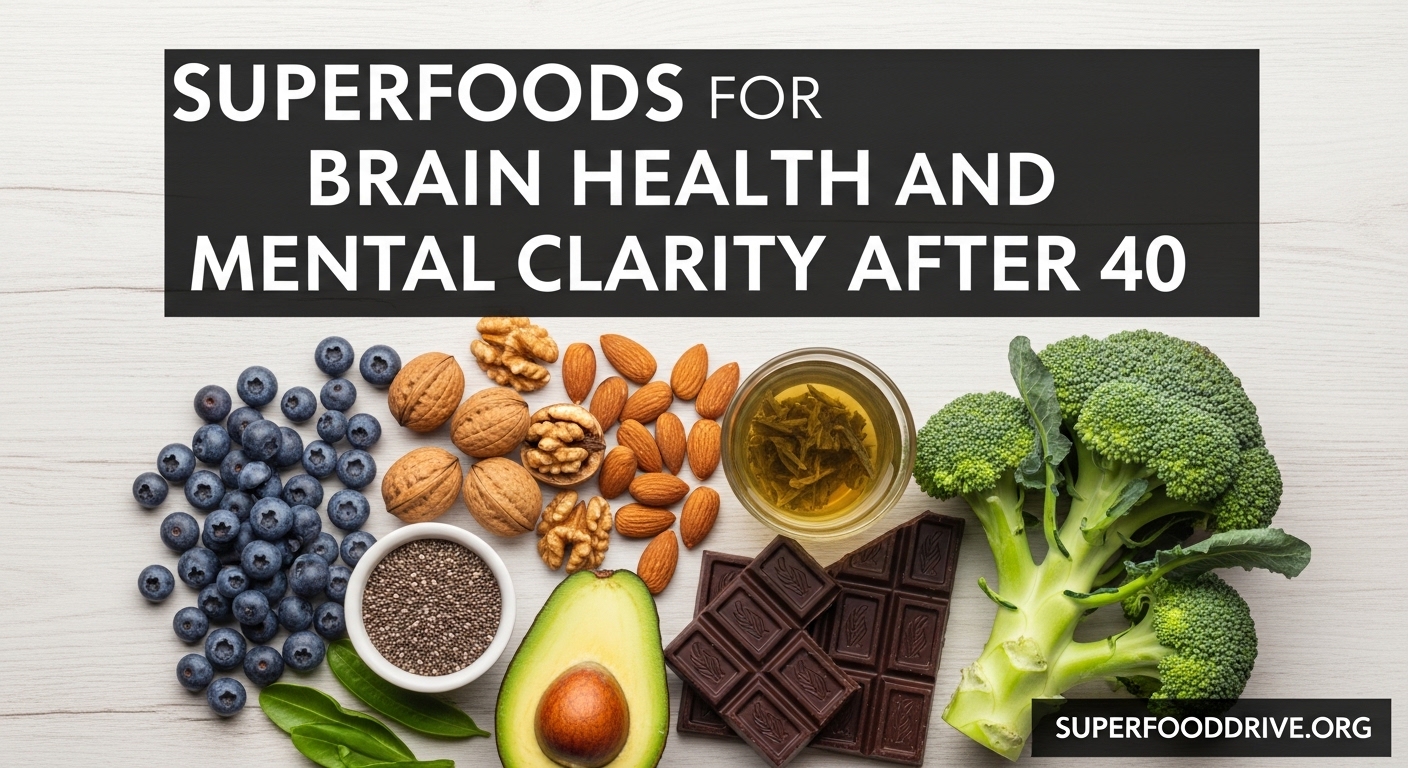
Superfoods for brain health are not marketing buzzwords. They are nutrient-dense foods backed by decades of neuroscience research showing real impacts on memory, focus, and long-term cognitive protection. In this guide, I will share the exact foods our team recommends for adults over 40 who want to maintain mental clarity and protect their cognitive function for decades to come.
Table of Contents
Why Your Brain Changes After 40 (And How Food Can Help)
Something shifts around age 40 that most of us do not talk about enough. For women, perimenopause brings hormonal fluctuations that directly impact memory and concentration. Estrogen plays a key role in neurotransmitter function, and as levels decline, many women experience what is commonly called brain fog.
But men experience changes too. Cortical thinning accelerates, meaning the brain’s outer layer responsible for higher-order thinking loses some of its efficiency. Blood flow to the brain decreases by about 5% per decade after age 40. Processing speed naturally slows as neural connections require more time to communicate.
Here is what keeps me optimistic. Our brains remain plastic throughout life, meaning they can form new connections and even grow new neurons well into our 70s and 80s. The key is providing the right building blocks through nutrition. Chronic inflammation emerges as the root cause of age-related cognitive decline, and diet directly controls inflammation levels in the body and brain.
The gut-brain axis adds another layer of opportunity. The trillions of bacteria in our digestive system produce neurotransmitters, regulate inflammation, and influence mood. What we feed our gut directly impacts what happens upstairs.
Fatty Fish: The Foundation of Brain Health
If I had to pick one food category for brain health after 40, fatty fish would win. Salmon, mackerel, sardines, herring, and anchovies contain omega-3 fatty acids in forms the brain can immediately use.
Docosahexaenoic acid (DHA) makes up about 25% of the brain’s total fat content and 90% of the omega-3 fats in our neural tissue. Eicosapentaenoic acid (EPA) supports mood regulation and reduces inflammation. Both cross the blood-brain barrier and become incorporated into cell membranes, improving communication between neurons.
Research published in Neurology found that people with higher omega-3 levels had larger hippocampi, the brain region responsible for memory. Another study showed that eating fish twice weekly was associated with a 10% slower rate of cognitive decline over 10 years.
I recommend aiming for two 4-ounce servings of fatty fish per week. Salmon remains the most accessible option for most people. Canned sardines and mackerel provide budget-friendly alternatives with lower mercury concerns than larger predatory fish. If you worry about mercury, stick to smaller fish lower on the food chain and avoid shark, swordfish, king mackerel, and tilefish entirely.
Leafy Greens: Your Brain’s Daily Multivitamin
Every morning, I make sure leafy greens appear somewhere in my meals. Kale, spinach, collards, Swiss chard, and romaine lettuce pack a unique combination of brain-protective nutrients that become even more critical after 40.
These vegetables deliver vitamin K, lutein, folate, and beta carotene. Vitamin K helps regulate calcium in the brain and supports the synthesis of sphingolipids, a type of fat densely packed into brain cells. Lutein accumulates in neural tissue and acts as an antioxidant, protecting against oxidative stress that accelerates aging.
The Rush University Memory and Aging Project followed 960 older adults for nearly 5 years. Participants eating one to two servings of leafy greens daily showed cognitive abilities equivalent to someone 11 years younger who rarely ate these vegetables. That is over a decade of brain age difference from a simple dietary change.
Harvard Medical School recommends at least six servings of leafy greens weekly. I find morning smoothies with spinach, lunch salads with kale, and dinner sides of sauteed greens help me hit this target without much effort. Frozen options provide the same nutritional benefits as fresh and offer convenience when time is short.
Berries: Nature’s Memory Protectors
When researchers at Harvard analyzed decades of data from the Nurses’ Health Study, one fruit stood out for brain protection. Women consuming two or more servings of blueberries and strawberries weekly delayed cognitive aging by up to 2.5 years compared to those eating less.
Berries contain high concentrations of flavonoids called anthocyanins. These compounds give berries their vibrant colors and possess unique properties that benefit the aging brain. Anthocyanins cross the blood-brain barrier and accumulate in the hippocampus and cortex, regions responsible for memory and learning.
Once inside neural tissue, these compounds reduce inflammation, improve communication between neurons, and protect against oxidative damage. Animal studies show that berry consumption increases neuroplasticity, helping the brain form new connections even later in life.
Blueberries lead the pack, but strawberries, blackberries, raspberries, and acai all provide similar benefits. Fresh berries offer peak flavor, but frozen varieties maintain their nutritional value for months and often cost less. I add a cup to morning oatmeal, blend them into smoothies, or simply snack on them plain. Two servings weekly provides measurable protection, though more offers additional benefits.
Nuts and Seeds: Healthy Fats for Neural Protection
A handful of nuts might be the simplest brain-boosting snack available. After analyzing data from over 15,000 women, researchers found that consistent nut consumption was associated with better cognitive function, sharper memory, and clearer thinking in their 60s and 70s.
Walnuts deserve special mention. They contain the highest omega-3 content among tree nuts, specifically alpha-linolenic acid (ALA). While the body converts ALA to DHA and EPA inefficiently, walnuts still provide direct anti-inflammatory benefits to brain tissue. Their unique shape even resembles a brain, which ancient healers noticed long before modern science confirmed the connection.
Almonds and hazelnuts deliver significant vitamin E, an antioxidant that protects cell membranes from oxidative damage. Studies link higher vitamin E levels to reduced cognitive decline and lower Alzheimer’s risk. Sunflower seeds, pumpkin seeds, and flaxseeds round out the options with zinc, magnesium, and additional omega-3s.
I recommend one ounce daily, roughly a small handful. Raw or dry-roasted varieties avoid the inflammatory oils used in many commercial preparations. Soaking nuts overnight improves digestibility and makes their nutrients more available. Keep a container on your desk for afternoon energy instead of reaching for processed snacks.
Eggs: The Choline Powerhouse
For years, eggs carried an undeserved bad reputation. Current research reveals them as one of the most complete brain foods available, especially for adults over 40 concerned about memory and mental clarity.
Choline stands as the standout nutrient. Our bodies use choline to produce acetylcholine, a neurotransmitter essential for memory formation, mood regulation, and muscle control. The brain prioritizes acetylcholine for forming new memories, and levels naturally decline with age. One egg provides about 150mg of choline, approaching a third of the daily recommendation for adults.
Beyond choline, eggs contain lutein and zeaxanthin, carotenoids that improve processing speed and cognitive flexibility. The yolk specifically concentrates these brain-healthy compounds, so skipping it means missing the primary benefits.
Research from Tufts University showed that middle-aged adults consuming eggs performed better on cognitive tests than those avoiding them. I typically eat two eggs for breakfast several times weekly. For those concerned about cholesterol, the latest American Heart Association guidelines acknowledge that dietary cholesterol has less impact on blood cholesterol than previously thought, especially when eggs replace less healthy breakfast options like pastries or processed meats.
Turmeric: Anti-Inflammatory Brain Protection
This golden spice deserves a permanent spot in your kitchen if brain health after 40 matters to you. Curcumin, turmeric’s primary active compound, demonstrates remarkable effects on brain structure and function in clinical research.
Curcumin crosses the blood-brain barrier, something many compounds cannot do. Once inside neural tissue, it binds to beta-amyloid plaques and helps the brain clear them out. These protein accumulations characterize Alzheimer’s disease, making curcumin’s plaque-reducing ability significant for long-term prevention.
Curcumin also boosts brain-derived neurotrophic factor (BDNF), a growth hormone that functions in the brain. Higher BDNF levels correlate with improved memory, better mood, and enhanced neuroplasticity. Some studies suggest curcumin may delay or even reverse age-related cognitive decline.
The challenge? Curcumin has low bioavailability, meaning the body absorbs little on its own. Combining turmeric with black pepper increases absorption by 2000% due to piperine. Cooking with oil also helps, as curcumin is fat-soluble. I add turmeric to scrambled eggs, blend it into smoothies with black pepper, or enjoy golden milk in the evening. Aim for a teaspoon daily to receive meaningful benefits.
Coffee and Green Tea: Caffeine Plus Antioxidants
Your morning coffee habit might be doing more than just waking you up. Research consistently links moderate coffee consumption to reduced risk of cognitive decline, Parkinson’s disease, and Alzheimer’s.
Caffeine blocks adenosine, a neurotransmitter that makes you feel tired. This same mechanism improves reaction time, attention, and general mental function. But coffee offers more than just caffeine. It contains hundreds of bioactive compounds including polyphenols that reduce oxidative stress and inflammation in neural tissue.
Green tea provides a different profile of benefits. Its L-theanine content promotes relaxation without drowsiness, creating calm focus rather than the jittery energy coffee sometimes produces. The combination of caffeine and L-theanine improves attention span and task-switching ability better than either compound alone.
I suggest limiting coffee to 3-4 cups daily, consumed before early afternoon to protect sleep quality. Green tea works well as an afternoon alternative, providing gentler stimulation with additional antioxidant benefits. Avoid excessive sugar and artificial creamers that counteract the health advantages. Black coffee or tea with a splash of milk or unsweetened plant-based alternatives maximizes benefits while minimizing drawbacks.
Dark Chocolate: Flavonoid Rich Treat
Here is some welcome news for chocolate lovers. Dark chocolate, specifically varieties containing 70% cacao or higher, delivers significant brain benefits through its high flavonoid content.
Cacao flavonoids improve blood flow to the brain, enhancing oxygen and nutrient delivery. Studies show that consuming dark chocolate increases cerebral blood flow within hours. Over time, regular consumption correlates with improved memory, faster processing speed, and better problem-solving abilities.
The key is the cacao percentage. Milk chocolate contains too little cacao and too much sugar to offer meaningful benefits. Look for bars with at least 70% cacao content, ideally higher. An ounce or two daily provides flavonoid benefits without excessive calories. I keep a high-quality dark chocolate bar in my desk drawer for afternoon breaks, breaking off a square when energy dips.
Extra Virgin Olive Oil: The Mediterranean Secret
The Mediterranean region consistently produces populations with lower dementia rates and better cognitive health into old age. Extra virgin olive oil plays a central role in this dietary pattern and offers specific benefits for brains over 40.
Olive oil contains polyphenols that reduce inflammation throughout the body, including neural tissue. Oleocanthal, a specific compound in fresh olive oil, has anti-inflammatory effects similar to low-dose ibuprofen. Chronic inflammation damages brain cells over time, making these anti-inflammatory properties valuable for long-term cognitive protection.
Use extra virgin olive oil as your primary cooking fat and for drizzling over finished dishes. Quality matters significantly. Fresh, cold-pressed oil retains more polyphenols than older or heat-processed varieties. Store it in a cool, dark place and use within a few months of opening. A daily intake of 2-3 tablespoons aligns with Mediterranean diet research showing cognitive benefits.
The MIND Diet: Putting It All Together
Individual superfoods matter, but dietary patterns matter more. The MIND diet combines elements of the Mediterranean diet with the DASH diet, specifically targeting brain health. MIND stands for Mediterranean-DASH Intervention for Neurodegenerative Delay.
Rush University researchers developed the MIND diet score based on foods and nutrients shown to affect brain health. The diet emphasizes 10 brain-healthy food groups: leafy greens, other vegetables, nuts, berries, beans, whole grains, fish, poultry, olive oil, and wine in moderation. It limits five unhealthy groups: red meat, butter and margarine, cheese, pastries and sweets, and fried or fast food.
The research results impress me. Adults following the MIND diet showed 53% lower risk of Alzheimer’s disease compared to those eating typical Western diets. Even moderate adherence reduced risk by 35%. These numbers represent some of the strongest evidence linking diet to dementia prevention.
I recommend using the MIND diet as a framework rather than a strict rulebook. Aim for daily leafy greens, weekly berries and fish, and daily nuts as snacks. Minimize the unhealthy categories without eliminating them entirely. This flexible approach makes the diet sustainable long-term, which matters more than perfect short-term adherence.
7-Day Brain-Boosting Meal Plan
Translating research into daily meals can feel overwhelming. Here is a practical week of eating that incorporates the superfoods we have discussed.
Day 1: Breakfast features scrambled eggs with spinach and turmeric, plus coffee. Lunch is a salmon salad with mixed greens, walnuts, and olive oil dressing. Dinner brings grilled mackerel with roasted broccoli and quinoa. Snack on a handful of almonds and blueberries.
Day 2: Start with oatmeal topped with berries and flaxseeds. Lunch is a kale salad with chickpeas, avocado, and lemon-tahini dressing. Dinner offers baked chicken thighs with sautéed Swiss chard and sweet potato. Snack on dark chocolate and green tea.
Day 3: Breakfast is a berry smoothie with spinach, walnuts, and Greek yogurt. Lunch brings sardines on whole grain toast with tomato. Dinner features turkey and vegetable stir-fry with brown rice. Snack on pumpkin seeds and an apple.
Day 4: Begin with veggie omelet and coffee. Lunch is lentil soup with a side salad. Dinner brings baked salmon with asparagus and quinoa. Snack on a small handful of mixed nuts.
Day 5: Breakfast features whole grain toast with avocado and turmeric. Lunch is a spinach salad with grilled chicken and berries. Dinner offers cod with roasted Brussels sprouts and olive oil mashed potatoes. Snack on dark chocolate.
Day 6: Start with oatmeal with walnuts and cinnamon. Lunch brings a tuna salad with mixed greens. Dinner features chicken and vegetable curry with turmeric and coconut milk. Snack on sunflower seeds and green tea.
Day 7: Breakfast is scrambled eggs with smoked salmon. Lunch is a Mediterranean bowl with greens, olives, chickpeas, and feta. Dinner brings baked trout with sautéed kale and wild rice. Snack on berries with a few dark chocolate squares.
Brain Health Killers: Foods to Minimize
Knowing what to eat matters, but knowing what to avoid matters equally. Certain foods actively harm brain health, particularly as we age.
Ultra-processed foods top the list. These products contain industrial ingredients, artificial additives, and refined carbohydrates that spike blood sugar and trigger inflammation. Studies link high consumption of processed foods to faster cognitive decline and increased dementia risk. The convenience comes at a steep neurological cost.
Added sugars deserve special attention. High blood sugar damages blood vessels throughout the body, including those feeding the brain. Over time, this vascular damage contributes to cognitive impairment. The average American consumes 17 teaspoons of added sugar daily, far exceeding recommendations.
Trans fats, still present in some fried foods and baked goods, increase bad cholesterol while decreasing good cholesterol. This lipid profile correlates with higher stroke risk and cognitive decline. Read labels carefully and avoid anything listing partially hydrogenated oils.
Excessive alcohol poses risks too. While moderate wine consumption appears in the MIND diet, heavy drinking shrinks brain volume and impairs cognitive function. Stick to one drink daily for women and two for men at most, with alcohol-free days each week.
Frequently Asked Questions
What is the #1 brain food?
Blueberries are widely considered the #1 brain food due to their high concentration of flavonoids called anthocyanins. These compounds cross the blood-brain barrier and accumulate in brain regions responsible for memory. Research from Harvard shows that eating berries regularly can delay cognitive aging by up to 2.5 years.
How to improve brain function after 40?
Focus on eating fatty fish twice weekly, consuming leafy greens daily, adding berries to your diet regularly, and staying hydrated. Combine dietary changes with regular exercise, quality sleep, stress management, and cognitive challenges like learning new skills or playing brain games.
What three foods fight memory loss?
The top three foods for fighting memory loss are blueberries (for flavonoid content), fatty fish like salmon (for omega-3s), and leafy greens like spinach and kale (for vitamin K, lutein, and folate). These foods have the strongest research support for memory protection and cognitive preservation.
Can you improve your brain after 40?
Yes, you can absolutely improve your brain after 40. Neuroplasticity continues throughout life, meaning your brain can form new connections and even grow new neurons well into your 70s and 80s. Diet, exercise, sleep, and mental stimulation all contribute to better brain function at any age.
How long does it take to see results from brain-healthy eating?
Some benefits appear within hours to days, such as improved focus from caffeine or better mood from balanced blood sugar. Structural brain changes and measurable cognitive improvements typically require 3-6 months of consistent dietary patterns. The Rush University study showing cognitive benefits from leafy greens followed participants for nearly 5 years.
Your Brain Health Journey Starts Today
Turning 40 does not mean accepting mental decline as inevitable. The choices you make about food today shape how your brain functions decades from now. Superfoods for brain health offer real, science-backed protection against age-related cognitive changes.
Start simple. Add one serving of fatty fish this week. Pick up a bag of spinach and blend it into your morning smoothie. Keep a container of walnuts on your desk. These small steps compound over time into meaningful protection for your most valuable organ.
I have seen the difference these foods make in my own life and in the lives of people I work with. Mental clarity, sharper memory, and sustained focus are within reach at any age. Your brain remains plastic, adaptable, and capable of growth. Feed it well, and it will serve you faithfully for years to come.